

In the labyrinthine waterways and sun-dappled courtyards of Venice, amidst the grandeur of baroque palazzos and the echoing footsteps of centuries, the small pavilion asserts itself—not with the thunderous majesty of a cathedral, but with the delicate whisper of a well-placed secret. The pavilion, modest in scale yet bursting with layered significance, is a vessel of intimate narratives, a quiet chorus amid the cacophony of the city’s vast architectural dialogue. It is here, in these compact sanctuaries, that the alchemy of architecture transmutes space into storytelling, place into presence.
The Pavilion as a Poetic Vessel
Small pavilions in Venice are more than mere structures; they are architectural poems, terse yet remarkably evocative. Like a haiku that captures the essence of a moment in a few syllables, these pavilions embody a concentrated form of design poetry. Their restrained dimensions force creativity to leap beyond scale and volume, compelling architects to orchestrate elements with precision and intentionality. The pavilion emerges as a metaphorical lantern, glowing quietly yet illuminating the subtle interplay between materiality, light, and human experience.

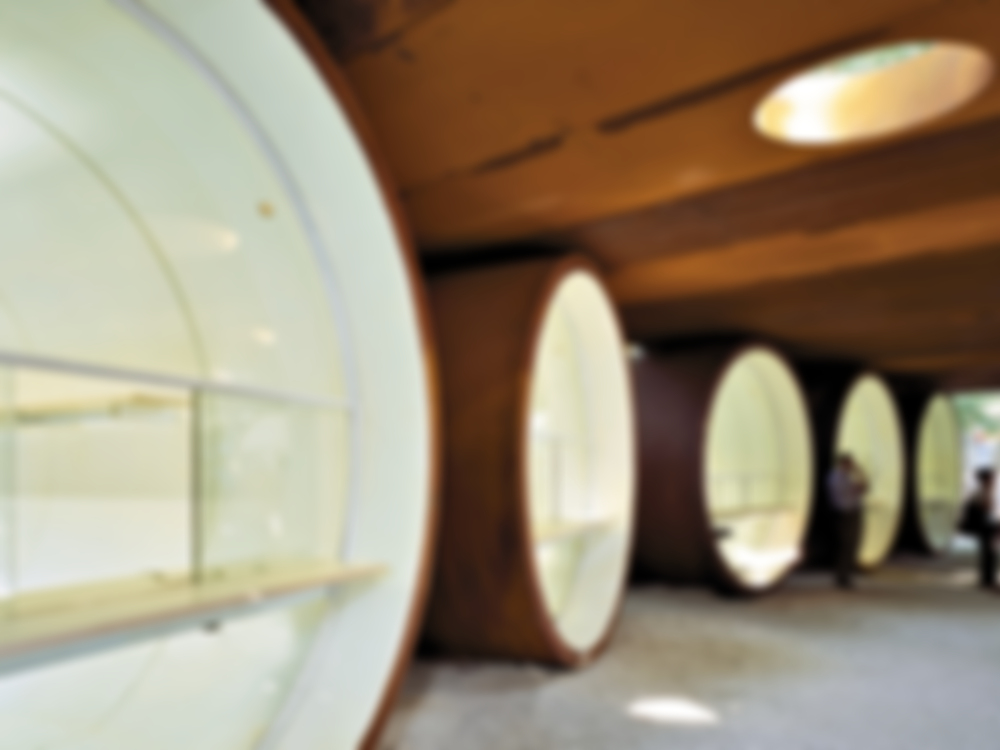
This illumination is not overt. It refracts, dances, and pools in corners—moments where light softens granite or sharpens the edge of a slender steel mullion. It is this contemplative quality that endows small pavilions with their unique charm. They invite a slower pace, coaxing visitors into a state of reverie and heightened awareness, a rare respite against the backdrop of Venice’s bustling public squares.
Intimacy Embedded in Compactness
The charm of a small pavilion lies in its intimacy—an architectural embrace rather than a stately procession. These structures are thresholds of private inquiry in the public realm, where architecture whispers rather than shouts. Within their measured confines, every inch speaks with purpose. The scale defies the conventional expectation that grandeur must be monumental. Instead, the pavilion leverages intimacy as its power, creating spaces that invite personal reflection and offer moments of stillness amid Venice’s historic fervor.
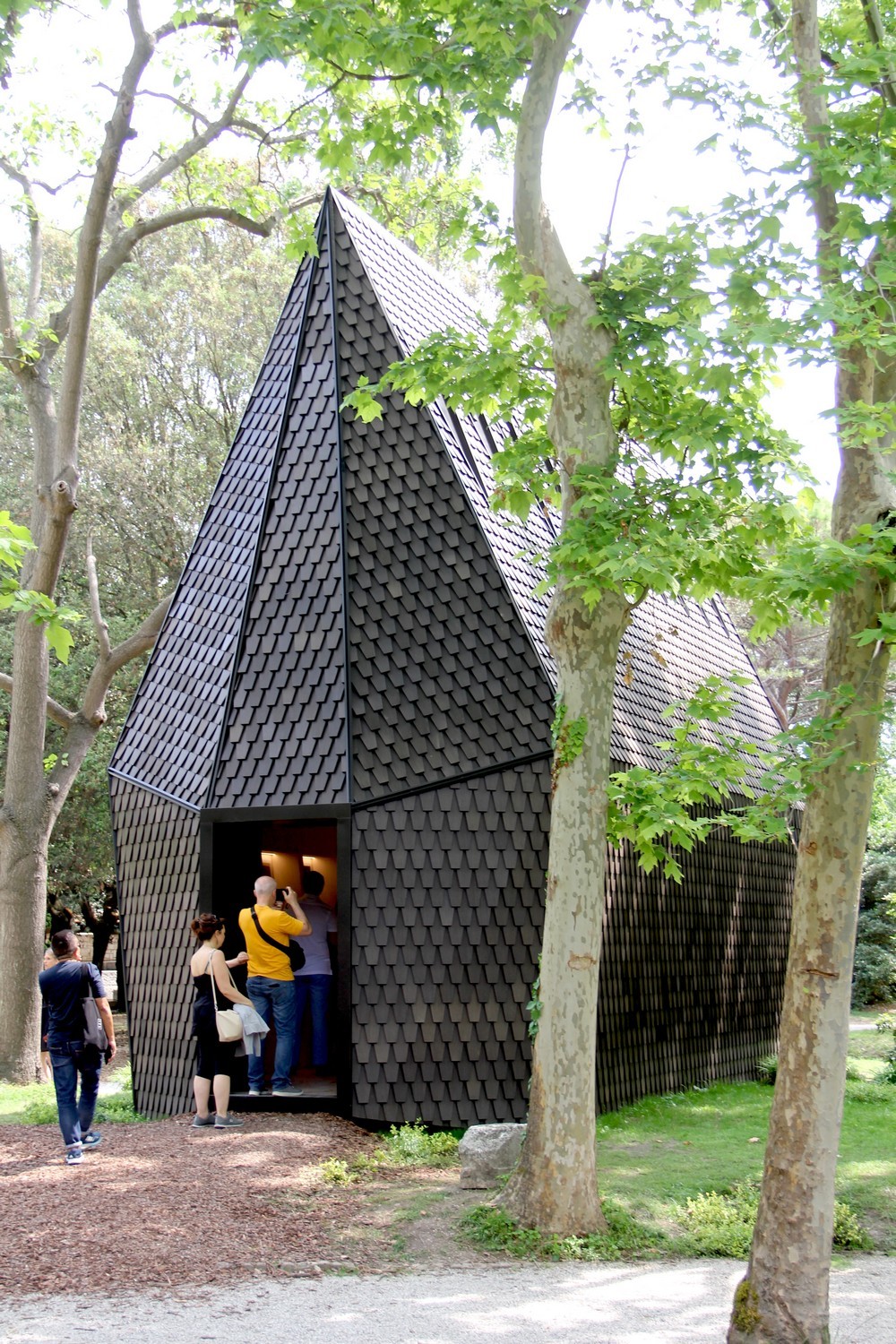
There is a paradox here: smallness assumes an outsized role in fostering social and cultural dialogues. The pavilion becomes a crucible for ideas, a vessel that holds not just physical space but intangible connections between history, context, and contemporary creativity. It serves as a microcosm, reflecting broader cultural aspirations while offering a profoundly personal experience.
The Dialogue Between Context and Innovation
Venice’s urban fabric is a palimpsest of epochs, and small pavilions act as nuanced interlocutors in this ongoing conversation. They respect the layered sediments of history and geography, yet boldly propose fresh interpretations. The Australian Pavilion in Venice exemplifies this balance—melding cultural symbolism with innovative architectural gestures.

The craftsmanship in these pavilions navigates the delicate tension between preservation and progression. Materials, forms, and spatial configurations respond intimately to Venice’s unique narrative: its waterborne streets, the shifting light, the ebb and flow of its tides. Often designed to dissolve the boundary between inside and out, the pavilion’s architecture embraces translucency, permeability, and a quiet dialogue with its surroundings. They confer a lesson in humility—how to build lightly while leaving an indelible mark on the cultural landscape.
Symbolism as Structural Poetry
Small pavilions often transcend their physicality to become symbols—a lattice of meanings folded into every beam and pane. Their architecture is punctuated with metaphor, each detail meticulously curated to unravel a story. The pavilion’s slender form can evoke the rigging of a Venetian boat, a foxglove flower bending toward light, or the delicate lacework of the Venetian mask. Beyond mere shelter, these buildings become vessels of memory and imagination.
In this symbolic realm, the pavilion becomes a fulcrum of identity and place, a crystallization of cultural narratives played out in spatial form. They are ambassadors of ephemeral moments made tangible, simultaneously rooted in their locale and universal in their expression.
Experiencing the Pavilion: A Sensory Journey
Engaging with a small pavilion in Venice is not a passive viewing but an immersive sensorial adventure. The experience unfolds through subtle textures under fingertips, the gentle reframing of views through louvered screens, and the changing chiaroscuro as daylight filters through carefully oriented apertures. The pavilion invites a choreography of movement—pause, lean, peer, withdraw—in an intimate dance between the observer and the observed.
Each visit reveals new nuances; a gust stirs a curtain, shadows shift, and the pavilion’s expressive potential expands. This dynamic quality transforms a static structure into a living, breathing participant within Venice’s urban drama. Such architectural intimacy nurtures a profound human connection that lingers long after stepping away from the structure itself.
The Quiet Revolution of the Small Pavilion
In an era often enamored with monumentalism and spectacle, the small pavilion in Venice quietly asserts a revolutionary ethos. It challenges norms by evincing that power lies not in mass but in meaning. The design economy, focused within a modest framework, proves a fertile ground for architectural ingenuity and cultural resonance.
These pavilions reorient our understanding of presence and absence, volume and void, permanence and impermanence. They remind us that significance can resonate exponentially when scaled to human experience. More than architectural objects, they are catalysts for reflection and dialogue, subtle provocateurs that enrich Venice’s palimpsestic narrative with their thoughtful existence.
Ultimately, the small pavilion in Venice is a testament to the enduring allure of architectural restraint. It embodies the quiet power of the intimate and the understated—a beacon of creativity that navigates history, culture, and innovation with nuanced grace. In its delicate silhouette against the Venetian skyline, one finds a compelling invitation: to step softly, look closely, and discover a universe in miniature.


Leave a Comment