

The figure, warped and contorted, emerges repeatedly in art and media as a potent emblem of climate anxiety—an acute psychological response to the accelerating environmental crisis that ensnares not only minds but souls. This distorted visage is more than mere aesthetic; it is an evocative cipher, beckoning viewers to reconsider how we internalize and externalize the environmental upheavals that define our era. The disfigured human form disturbs, provokes, and compels, serving as a mirror to our fractured relationship with the planet and a clarion call to the profound transformations that must unfold within us.
The Anatomy of Distortion: Visualizing Climate Angst
Distortion in imagery often conveys more than chaos or breakdown; it reveals the fissures within our collective consciousness. When human anatomy is twisted—limbs elongated, faces blurred, bodies fragmented—it symbolizes the psychological disarray wrought by climate anxiety. This form of anxiety is far from abstract worry; it is an embodied experience of imbalance, helplessness, and often, overwhelming dread.
The distortion signals the rupture between humanity and nature, fragmenting the traditionally harmonious human form to reflect a world out of joint. The figure becomes a metaphorical vessel containing stress fractures—mental and emotional—caused by accelerating climate disruption. These visual aberrations make palpable the intangible: the dread of ecological collapse, the weight of impending loss, and the anxiety of an uncertain future.

Psychological Roots of the Distorted Figure
To understand the symbolic potency of the distorted figure, one must delve into the psychological substrates of climate anxiety. This phenomenon intertwines existential threat with personal identity. The anxiety is not merely about rising tides or melting glaciers; it is deeply entwined with feelings of loss—the loss of control, stability, and a known world.
In this fracturing of certainty, the distorted figure embodies a mental state destabilized by a relentless barrage of climatic crises. It reflects the disjunction between human perception and environmental reality; the figure’s warped form is akin to a psyche stretched thin by guilt, fear, and unresolved grief. The figure’s very shape becomes an external representation of internal turmoil—emphasizing dislocation from self and surroundings alike.
Cultural Narratives and the Shaping of Climate Anxiety Imagery
Historically, the human figure has been an index of cultural values, fears, and mythologies. In the era of climate change, distorted figures translate collective anxiety into a visual language that transcends words. They are at once intensely personal and strikingly universal, capturing a zeitgeist of unease.
Artists and communicators harness this imagery to pierce the often numb or skeptical veil surrounding climate discourse. The contorted body disrupts comfort zones, challenging viewers to confront the extremity of ecological distress and their own complicity within it. Yet, it also invites empathy, reflection, and potentially, reconnection—a shift toward a more urgent, compassionate response to environmental trauma.

The Promise of Transformation: From Fragmentation to Wholeness
While at first glance the distorted figure may evoke discomfort or despair, it harbors a latent promise: the possibility of transformation. It invites a radical rethinking—not only of how we perceive the figure itself but of our identity in relation to the Earth.
Far from a symbol of defeat, the fractured figure can inspire a new narrative of resilience and renewal. It embodies the necessity of acknowledging brokenness as a precursor to healing. The figure’s distortions are not permanent scars but signposts on the road to reintegration—of fractured selves, fractured societies, and fractured ecosystems.
Embracing the symbolic language of distortion can catalyze a shift in perspective, inviting an evolution in consciousness where anxiety is transmuted into resolve, fragmentation into coherence, and alienation into belonging.
Implications for Climate Communication and Action
The visual rhetoric of the distorted figure elevates climate communication beyond statistics and policy debates; it situates environmental concern within the realm of emotional truth. By tapping into the visceral, it can galvanize collective empathy and mobilize communal action.
Moreover, this imagery challenges the cultural insistence on dispassionate rationalism, suggesting that acknowledgment of psychological and emotional realities is essential to confronting the climate crisis. The distorted figure compels society to face the uncomfortable but necessary emotional dimensions of climate change—fear, grief, and profound uncertainty—as prerequisites for meaningful engagement and responsible stewardship.
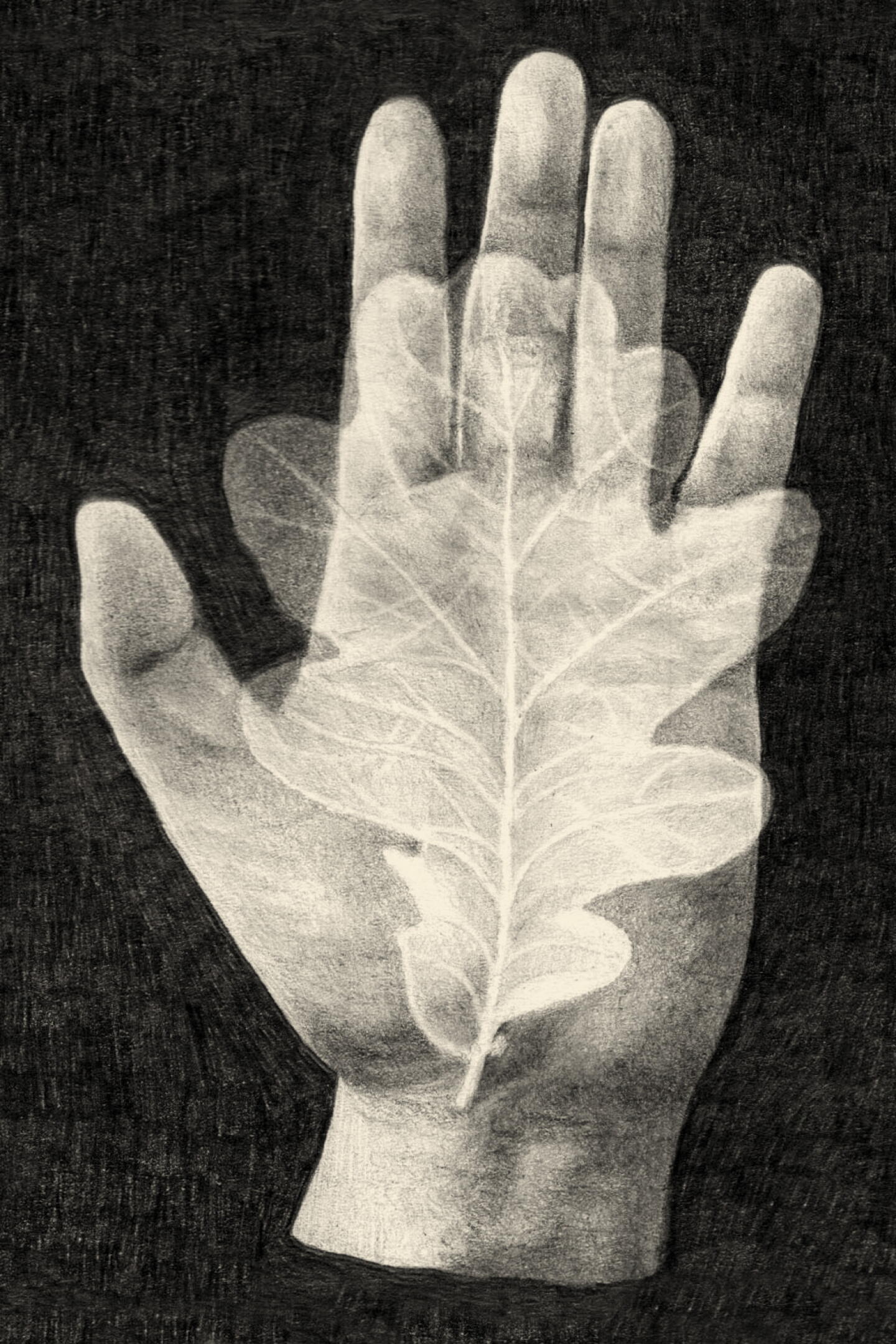
Conclusion: Reimagining Our Collective Future Through the Distorted Lens
The distorted figure refuses to settle for passivity; it demands engagement, reflection, and metamorphosis. It is both a symptom and a beacon—illuminating the psychological terrain of climate anxiety while pointing toward new paradigms of healing and hope. This symbol invites a paradigm shift, compelling us to reconsider not only the aesthetics of environmental discourse but the emotional and existential legacies we inherit and shape.
In bearing witness to the fractured figure, we are called to a deeper consciousness—one that embraces the complexity of human responses to planetary crisis. It prods us toward collective understanding and action, reframing anxiety not as paralysis but as a potent catalyst for transformative change. Ultimately, the distorted figure dramatizes what is at stake: the very reconstitution of humanity’s bond with the Earth, through which recovery and renewal become not just possible, but imperative.


Leave a Comment