

There is a quiet, almost magnetic allure in the ethereal web of mycelium that stretches beneath our feet. This intricate network, often described as the hidden internet of the forest, captivates the imagination as much as it confounds the casual observer. Collectors, enthusiasts, and naturalists are increasingly drawn to harvesting mycelium not just for its ecological significance but for its enigmatic presence in the wider fungal kingdom. Yet, as interest swells, a fundamental question arises: Does collecting mycelium harm the mushroom, and what ethical considerations must one bear in mind? Beneath the surface of this innocent inquiry lies a rich tapestry of ecological complexity and human fascination.
Understanding Mycelium: The Living Network Beneath
Before delving into the ethics, it’s crucial to appreciate what mycelium truly is—a sprawling, symbiotic organism that acts as the vegetative root system of fungi. Unlike the fruiting body, which is the visible mushroom we see breaking through soil, mycelium is a fine mesh of hyphae threads, often invisible to the naked eye. It has evolved over millions of years to perform vital roles in nutrient cycling, soil formation, and symbiotic relationships with plants. This underground marvel enables communication and resource sharing between different parts of an ecosystem, functioning as a subterranean lifeline.
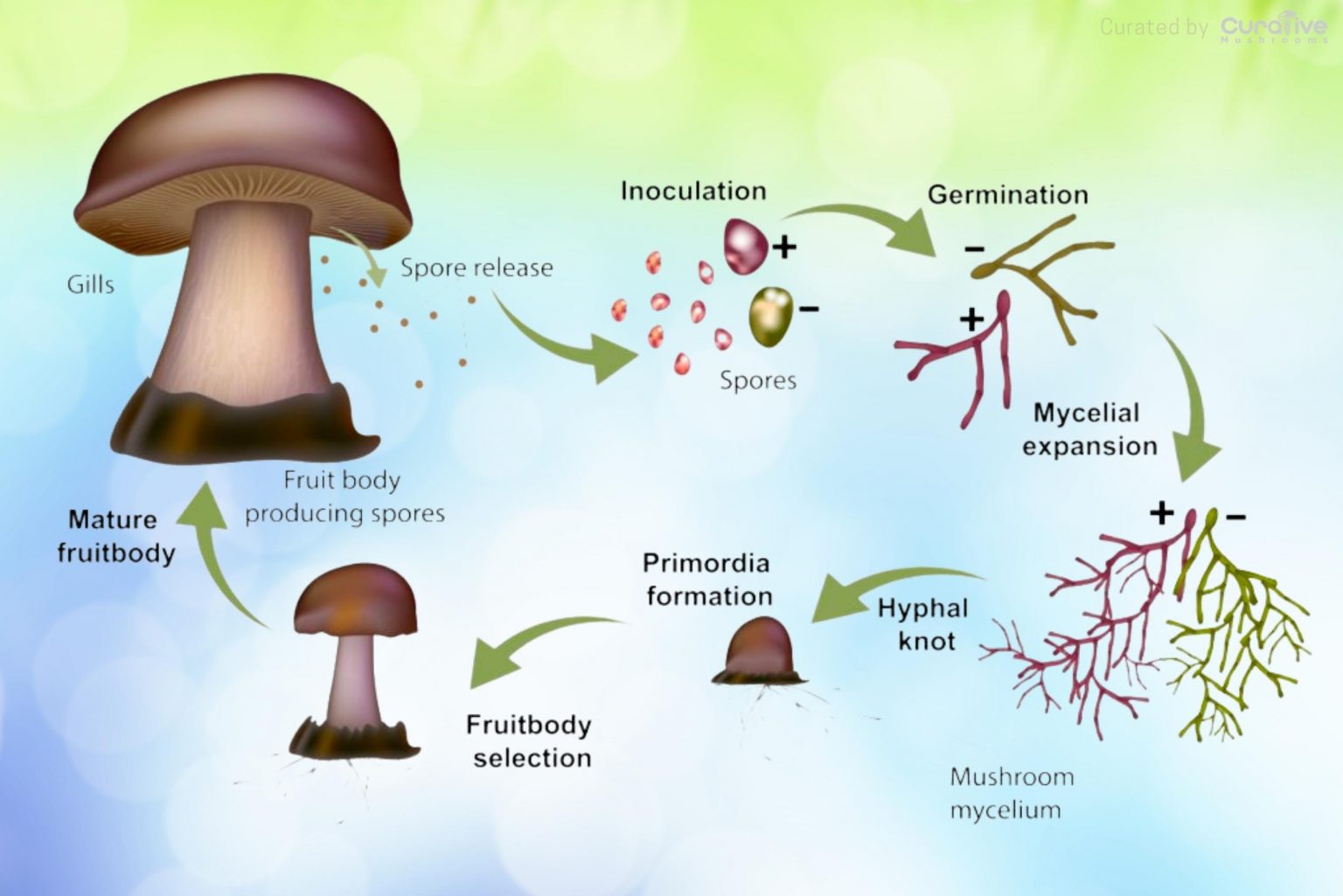
The fascination with mycelium is therefore not just about its physical form but its incredible biochemical and ecological potency. Collectors seek it for various reasons—from cultivating gourmet mushrooms to studying its incredible potential in bioremediation and sustainable materials. This practical importance magnifies the ethical questions about how harvesting impacts these invisible yet indispensable organisms.
The Myth of the Harmless Harvest: Does Collecting Hurt?
At face value, collecting mycelium might seem inconsequential, especially when compared to the visible impact of harvesting mushrooms. Yet, this simplification risks overlooking the mycelium’s delicate ecology. When mycelium strands are disturbed or uprooted, the fungal organism might experience stress or disruption in its vital functions. Since mycelium forms intricate connections not only among fungal parts but also with plant roots through mycorrhizal associations, physical damage can ripple through the ecosystem.
Moreover, mycelium does not regenerate as rapidly as some might assume. Unlike the fruiting bodies, which are ephemeral and seasonal, the mycelium network grows slowly, weaving through soil and organic matter. Overharvesting can lead to localized depletion, impaired nutrient cycling, and even hinder the mushroom’s reproductive ability. This potential harm sparks deeper ethical reflection: are collectors aware of the hidden cost of their pursuits?
The Ethical Landscape: Stewardship and Sustainability
Ethics in mycelium collecting requires a paradigm shift from dominion to stewardship. The impulse to gather must be balanced with respect for the fungal organism’s intrinsic worth and ecological role. This means adopting sustainable practices like limiting the volume of collected mycelium, avoiding damage to surrounding soil, and respecting conservation guidelines in fragile ecosystems.
Stewardship also entails an awareness of the symbiotic web—a recognition that fungi are integrated into a larger ecological continuum. Ethical collectors often engage in restoring or cultivating their own mycelium to reduce pressure on wild populations. This cultivation not only supports sustainability but also deepens the collector’s relationship with the organism, fostering a sense of reciprocity rather than exploitation.
Cultural and Philosophical Fascination: More Than Just Biology
Human fascination with mycelium transcends the biological. It taps into ancient narratives of growth, connection, and invisibility, evoking themes of mystery and transformation. The mycelium’s unseen nature captivates the imagination, symbolizing interconnectedness in a fragmented world. This allure can sometimes impel collectors to treat it as a resource to conquer or possess, rather than a living network to engage with reverently.
The ethical tension arises here: does our fascination blind us to the consequences of our actions? Or can it foster a deeper, more conscientious encounter with nature? Cultivating mindfulness—an active awareness of the mycelium’s role and vulnerability—provides a pathway to harmonize curiosity with conservation.
Practical Guidelines for Ethical Mycelium Collection
To navigate this emerging field of ethics, several practical guidelines emerge:
- Minimal Impact Practices: Collect only small portions of mycelium from any given area to avoid wholesale disruption. Leave ample network intact to sustain fungal vitality.
- Harvest with Knowledge: Understand fungal species and their growth cycles. Some mycelium is more resilient than others, and timing can affect recovery and reproduction.
- Soil Preservation: Avoid compacting or excessively disturbing soil around the collection site, safeguarding the fungal microhabitats.
- Cultivation over Wild Harvest: Whenever possible, prioritize cultivating mycelium in controlled environments rather than extracting from wild populations.
- Respect Local Regulations: Abide by legal and ethical harvest limitations to protect endangered species and fragile ecosystems.
The Future: Mycelium as a Model for Ethical Interaction
Borrowing from the mycelium’s own wisdom of interconnection and balance, humanity is poised to reconsider its relationship to nature. Ethical collecting marks a shift toward recognizing non-human entities as partners in a shared ecosystem. This mindset opens doors to novel collaborations—in science, art, and environmental stewardship—where collecting mycelium is not an act of conquest but a form of reverence.
The mushroom, in all its mysterious life stages, offers a metaphor and a model for how to approach nature with humility and curiosity. By honoring the mycelium beneath the surface, collectors and observers alike contribute to a broader cultural and ecological awakening.
In the final analysis, does collecting mycelium hurt the mushroom? It can—if done without care. However, with intention, knowledge, and respect, it becomes a nuanced dance between human curiosity and ecological responsibility. This balance is not just a question of ethics but a profound invitation to reimagine our connection to the living world beneath our feet.


Leave a Comment