

In the kaleidoscopic panorama of contemporary culture, a fascinating phenomenon is unfolding: Gen Z’s burgeoning appetite for what can be coined as “restorative” art spaces. These sanctuaries, meticulously crafted for reflection and rejuvenation, are radically reshaping the way art is perceived and interacted with. The predilection for such spaces echoes a collective yearning far beyond mere aesthetic appreciation. It signifies a deeper, almost primordial impulse—a quest to heal amid the cacophony of the digital age and the relentless pace of modern living.
Unveiling the Allure: The Surface of Restorative Art Spaces
At first glance, the magnetism of restorative art spaces appears straightforward: immersive environments designed to soothe the senses and invite contemplative engagement. Gen Z, a cohort often engulfed by ephemeral stimuli, gravitates toward these environments precisely because they offer a counterbalance—an oasis of calm amidst chaos. These spaces blend visual art, ambient soundscapes, and tactile experiences, creating atmospheres that feel therapeutic, almost ritualistic.

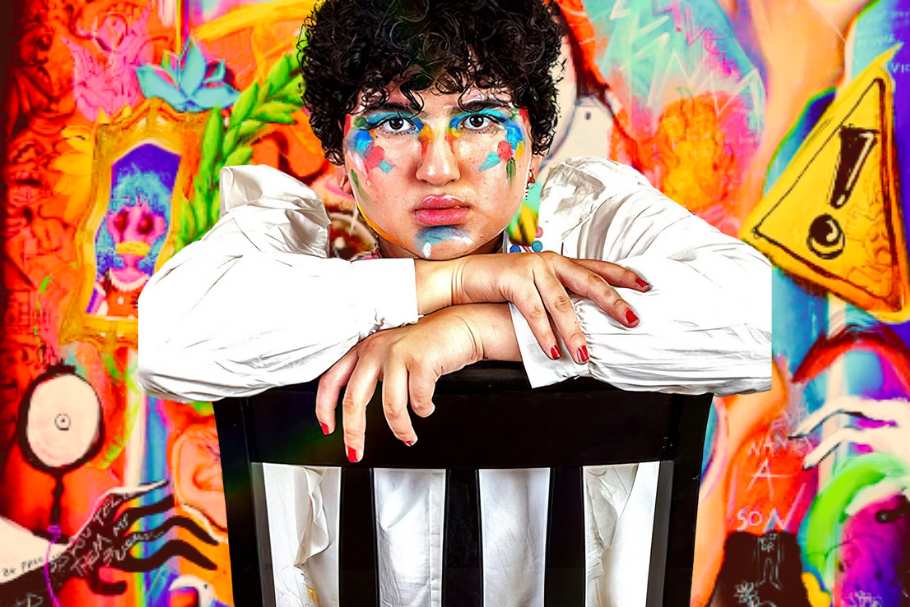
Wall paintings and installations, with their vibrant hues and emotive content, do more than decorate; they anchor viewers in moments of self-reflection and emotional restoration. The fact that many such artworks come with narratives or social commentaries germane to Gen Z’s values amplifies their resonance.
Psychological Underpinnings: Why Restorative Spaces Speak to Gen Z
Delving beneath the aesthetic veneer, this craze is not merely a trend—it is symptomatic of a generation’s psychological landscape. The mental health crisis enveloping young people globally intersects with a digital milieu dominated by overload and alienation. Restorative art spaces offer a tactile and spatial antidote, grounding patrons in physicality and presence.
Contemporary neuroscience underscores the efficacy of art as a salve for anxiety and fragmented attention. Gen Z, adept at navigating virtual realms, simultaneously craves tangible experiences that restore cognitive balance. These environments function almost as therapeutic installations, fostering mindfulness and creating cognitive “pause” moments.
The Sociocultural Matrix: Art as a Vehicle for Identity and Community
Restorative art spaces also serve as crucibles for communal identity and shared values. For Gen Z, whose worldview is often shaped by themes of social justice, inclusivity, and sustainability, these spaces become arenas of activism and solidarity disguised as art exhibitions. The immersive aspects invite participatory engagement, making art an interactive dialogue rather than a passive spectacle.

Through installations and visual storytelling, these spaces cement a sense of belonging, affirming that restorative experiences are also intrinsically social. The art transcends individual focus, morphing into collective catharsis and empowerment.
Digital Synergy: Restorative Spaces in the Age of Blockchain and Beyond
It would be remiss not to acknowledge the symbiotic relationship between Gen Z’s digital fluency and their engagement with restorative art. The emergence of digital art on blockchain platforms—where art authenticity and ownership intersect with technology—fuels excitement for art that is both innovative and accessible.
Such digital avenues expand the boundaries of restorative spaces, blending virtual and physical realms. Gen Z participates in crafting these liminal art experiences that are not confined by traditional gallery walls. This hybridity caters to their dual need for technological engagement and emotional solace, suggesting a future where art spaces are as much about connectivity and interaction as about aesthetic rejuvenation.
The Impetus for Change: A Generation Redefining Artistic Value
What distinguishes Gen Z is their rejection of art commodification detached from genuine experience. They are not merely consumers but curators of meaning, fervently seeking artworks that restore rather than simply impress. This shift challenges conventional art markets and gallery dynamics, pushing for an ethos where art’s restorative potential takes precedence over monetary valuation.
These restorative environments redefine value by prioritizing emotional resonance, inclusivity, and mindfulness. In doing so, Gen Z pioneers a paradigm in which the art space is a refuge—an experiential crucible for healing and collective rejuvenation.
Conclusion: Toward a Future of Restorative Artistic Engagement
The demand for restorative art spaces driven by Gen Z reveals a profound cultural pivot. It reflects a generation’s quest to reconcile the fractured realities of the present with a desire for holistic well-being. In carving out spaces dedicated to restoration, reflection, and relational depth, Gen Z is not merely influencing artistic landscapes; they are sculpting new cultural architectures that may endure long beyond their own era.
These spaces illuminate a powerful truth: art’s ultimate vitality lies in its capacity to restore our fractured selves and reconnect us to each other. As restorative art spaces continue evolving, they herald a revolutionary reimagining of how art is experienced—one deeply attuned to the human spirit’s need for sanctuary and renewal amidst an ever-accelerating world.


Leave a Comment