

The art world is no longer a monolithic fortress guarded by distant curators and elite galleries. Instead, it has fractured into a constellation of vibrant collectives—each a pulsating nebula of creativity, where artists orbit one another not out of obligation, but out of shared purpose. Nowhere is this metamorphosis more pronounced than in the Middle East, a region where centuries-old traditions collide with digital-age dynamism. Here, art collectives are not mere groupings of like-minded individuals; they are living organisms, breathing life into dormant cultural narratives and forging new ones. They are the avant-garde’s avant-garde, rewriting the rules of engagement, patronage, and legacy. This is the rise of the art collective in the Middle East—a phenomenon as intoxicating as it is transformative.
Imagine, if you will, a vast desert at dusk. The horizon bleeds into the sky, and the wind carries whispers of ancient caravans. Now, picture a single spark—small, almost imperceptible—igniting a fire that spreads not in a straight line, but in fractal patterns, branching outward in unpredictable yet harmonious directions. That spark is the art collective. It begins with a few artists, a shared frustration, a hunger for visibility, or a collective dream. From there, it grows like mycelium through the cultural soil, connecting roots of tradition with the tendrils of innovation. In the Middle East, these collectives are not just responding to the art world’s demands; they are redefining what art can be, who it serves, and how it endures.

The Collective as Cultural Alchemy: Turning Scarcity into Abundance
In a region where state patronage has often dictated artistic expression, collectives emerge as alchemical laboratories. They transmute scarcity—of resources, of platforms, of recognition—into abundance. No longer waiting for a single gatekeeper’s nod, artists pool their talents, share studios, and co-create exhibitions that defy geographic boundaries. The collective becomes a crucible where mediums collide: a painter’s brushstroke might meet a digital animator’s render, or a poet’s verse could be woven into a textile installation. This interdisciplinary synergy is not accidental; it is intentional, born from the necessity to survive and thrive in an ecosystem that has historically favored the few over the multitude.
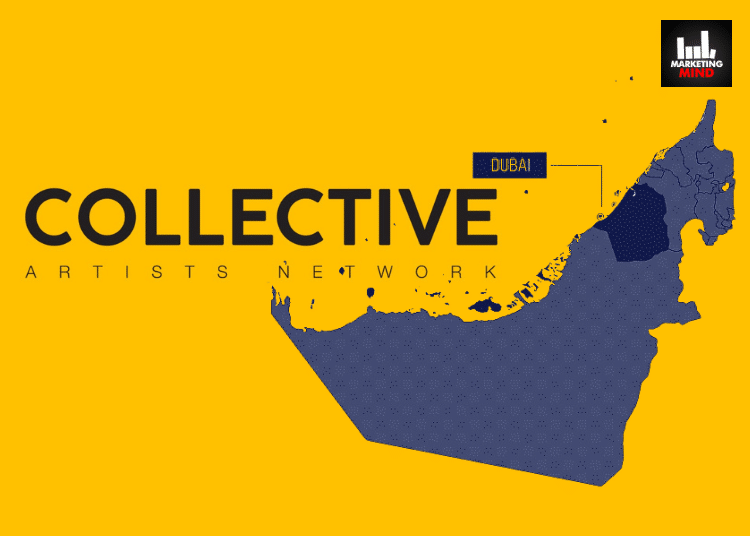
Consider the way these collectives harness the intangible heritage of the region—the oral traditions, the calligraphic flourishes, the geometric patterns of Islamic art—and fuse them with contemporary concerns. A collective in Beirut might revive ancient mosaic techniques while addressing urban displacement. Another in Dubai could juxtapose traditional embroidery with augmented reality, creating works that exist both in the gallery and the palm of a viewer’s hand. The result? Art that feels simultaneously ancient and futuristic, rooted yet unbound. This is not cultural appropriation; it is cultural resuscitation, a reclamation of identity through collaboration.
The Digital Oasis: How Technology Amplifies Collective Voices
If the collective is the spark, then technology is the wind that carries it across deserts and seas. Social media platforms, once dismissed as mere distractions, have become the primary arteries through which these collectives circulate their ideas. Instagram, with its visual-first ethos, is the modern-day souk—a bustling marketplace where artists trade not in spices or textiles, but in aesthetics and ideas. A collective in Cairo might post a time-lapse video of a mural being painted in real-time, while another in Riyadh could livestream a poetry reading in a pop-up gallery. The immediacy of digital engagement erodes the distance between artist and audience, turning passive viewers into active participants.
But the digital realm offers more than just visibility; it provides a sanctuary. In countries where censorship looms large, collectives use encrypted platforms and decentralized networks to share works that challenge the status quo. A collective in Tehran might distribute digital zines that critique gender norms, while one in Amman could host virtual exhibitions featuring artists from Gaza and Ramallah, bypassing the physical barriers of occupation. The internet, for these collectives, is not a tool—it is a lifeline, a way to exist beyond the constraints of geography and politics. It allows them to build transnational communities, where an artist in Muscat can collaborate with a musician in Casablanca, all while their physical bodies remain continents apart.
The Patron as Co-Creator: Rethinking Support in the Collective Age
Traditional patronage in the Middle East has often been a one-way transaction: wealth flows from patron to artist, and in return, the artist produces work that aligns with the patron’s tastes or political agenda. But the collective disrupts this dynamic. Here, patronage is not a top-down decree; it is a dialogue, a partnership. Collectives attract supporters who are not merely donors but co-conspirators in the creative process. These patrons—whether they are diaspora communities, tech entrepreneurs, or even other artists—understand that supporting a collective means investing in a movement, not just a single individual.
This shift has given rise to innovative models of funding. Crowdfunding campaigns, membership subscriptions, and even barter systems (where artists trade skills for resources) have become commonplace. A collective in Sharjah might launch a Kickstarter to fund a residency program, offering donors exclusive access to studio visits and workshops. Another in Doha could partner with local businesses, trading art installations for sponsorships that fund future projects. The patron, in this ecosystem, is no longer a distant figure in a gilded palace; they are a participant in the collective’s unfolding story. This redefinition of support fosters a sense of ownership among both artists and their communities, ensuring that the art produced is not just seen, but felt.
The Collective as a Mirror: Reflecting and Reshaping Identity
Art collectives in the Middle East do more than create; they interrogate. They hold up a mirror to society, reflecting its contradictions, its traumas, and its aspirations. In a region where identity is often politicized or commodified, these collectives reclaim the narrative, asserting that identity is not a monolith but a mosaic. A collective in Baghdad might explore the concept of “home” through oral histories and archival footage, while another in Jerusalem could use performance art to challenge the erasure of Palestinian narratives. The works they produce are not just aesthetic objects; they are acts of resistance, of healing, and of self-definition.
Yet, these collectives are not bound by the weight of their region’s history. They are equally concerned with the future. A collective in Dubai might grapple with the paradox of rapid urbanization—how to preserve cultural memory in a city that is constantly reinventing itself. Another in Beirut could address the psychological toll of living in a post-war society, using art as a form of collective therapy. The result is a body of work that is as introspective as it is outward-facing, as personal as it is political. These collectives understand that art is not just a reflection of the world; it is a tool for shaping it.
The Global Stage: When the Local Becomes Universal
The rise of Middle Eastern art collectives is not a regional phenomenon—it is a global one. As these collectives gain traction, they are invited to biennales, fairs, and residencies around the world. Their work is exhibited in Venice, Berlin, and New York, where audiences encounter art that is unapologetically rooted in the Middle East yet speaks to universal themes: migration, belonging, the search for meaning. The global art market, once dominated by Western narratives, is now being forced to reckon with the richness of these collectives’ perspectives.
But this global recognition comes with its own challenges. The pressure to “exoticize” their work for international audiences is a constant threat. A collective might be celebrated for its “authenticity” while being pigeonholed into a narrow definition of what Middle Eastern art “should” look like. The key, then, is to navigate this space with intentionality. The most successful collectives are those that refuse to be defined by others. They use their global platforms to showcase the diversity of their region—not just its struggles, but its joys, its humor, and its boundless creativity.
The Future: A Collective Ecosystem
The story of the Middle Eastern art collective is still being written, and its next chapters promise to be even more audacious. As these collectives mature, they are forming networks—interconnected webs of support that span cities, countries, and even continents. A collective in Kuwait might collaborate with one in Istanbul, sharing resources and ideas. Another in Cairo could launch a mentorship program for emerging artists in smaller towns, ensuring that the movement’s energy is not confined to the usual cultural hubs.
This ecosystem is not just about art; it is about community. It is about artists supporting one another, about patrons engaging with intention, and about audiences seeing themselves reflected in the work. It is about creating a cultural landscape that is as diverse as the region itself. The rise of the art collective in the Middle East is not a fleeting trend; it is a paradigm shift. It signals a future where art is not a luxury, but a necessity—a way of understanding the world, of challenging it, and of imagining something new.
The desert wind still whispers, but now it carries the sound of laughter, of debate, of creation. The spark has grown into a fire, and the fire is spreading. The art collective is not just a phenomenon; it is the future, and the future is collaborative.


Leave a Comment