

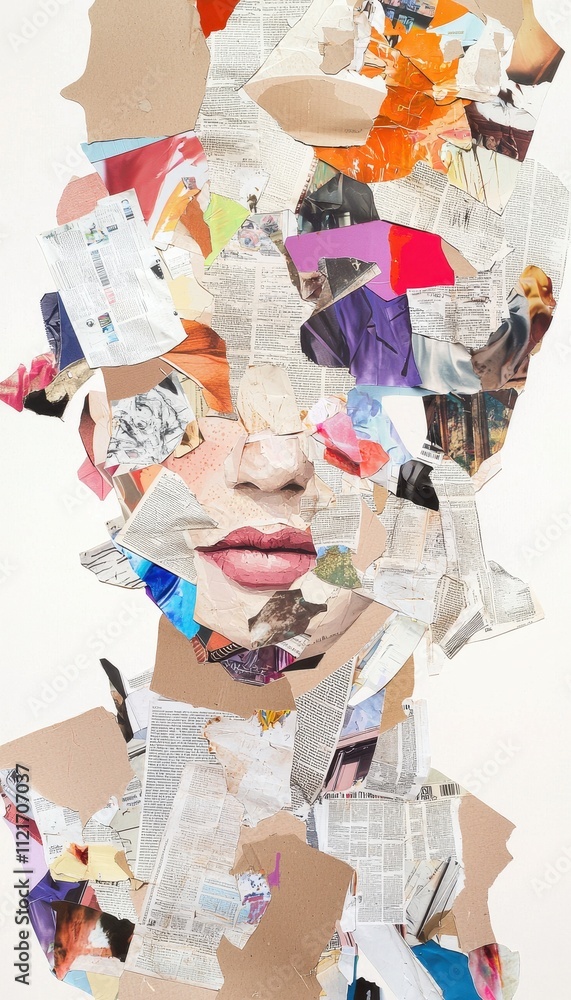
The year 2026 has arrived, and with it, a news cycle so frenetic, so mercurial, that it defies the very notion of coherence. The modern media landscape has fractured into a kaleidoscopic collage—each shard reflecting a different facet of chaos, a different flavor of the absurd. From the relentless churn of AI-generated misinformation to the surreal spectacle of viral memes dictating geopolitical narratives, the 2026 news cycle is less a river and more a storm of shrapnel, each piece ricocheting off the walls of our collective consciousness. What does this mean for the audiences who still crave meaning in the deluge? What kinds of content will dominate, and how will they reshape the way we perceive reality? Let’s dissect the fractured mirror of 2026’s media ecosystem, where every headline is a pixel in a larger, ever-shifting image.
The Rise of the “Deepfake Docudrama”: When Fiction and Fact Collide
Gone are the days when documentaries were the solemn gatekeepers of truth. In 2026, the line between documentary and deepfake has dissolved into a murky, glittering haze. Enter the “deepfake docudrama”—a hybrid genre where archival footage is seamlessly stitched together with AI-generated reenactments, blurring the boundaries of authenticity. Imagine a film purporting to expose the inner workings of a shadowy tech conglomerate, only for viewers to later discover that half the “interviews” were performed by synthetic avatars trained on the voices of real whistleblowers. This isn’t just misinformation; it’s a form of narrative alchemy, where the audience is left questioning whether they’re watching a confession or a performance.
The allure of these docudramas lies in their ability to exploit the human brain’s craving for drama. A well-crafted deepfake docudrama doesn’t just inform—it seduces. It weaves a tapestry of half-truths and fabricated intrigue, leaving viewers addicted to the thrill of unraveling what’s real. Social media algorithms, ever hungry for engagement, amplify these productions, turning them into viral phenomena overnight. The result? A generation of news consumers who no longer trust the news but can’t look away from the spectacle.
The “Meme-ification” of Global Events: When Satire Becomes the News
In 2026, the most influential news outlets aren’t CNN or the BBC—they’re anonymous Telegram channels and Discord servers where memes are minted into currency. The “meme-ification” of global events has reached its zenith, with world leaders, economic crises, and humanitarian disasters reduced to punchlines and reaction images. A stock market crash? That’s just a “vibe shift.” A diplomatic scandal? That’s a “plot twist” in the grand narrative of geopolitical theater. The meme isn’t just a joke anymore; it’s the primary language of discourse, a shorthand for emotions too complex to articulate.
This phenomenon isn’t confined to the fringes. Mainstream media outlets now employ “meme journalists”—content creators who specialize in distilling complex stories into shareable, often satirical formats. A breaking news alert might be accompanied by a side-by-side comparison of a politician’s speech and a viral meme template, inviting audiences to interpret the event through the lens of humor. The danger, of course, is that this reduces nuance to a single frame, turning tragedy into a punchline before the ink is even dry. Yet, for better or worse, the meme has become the dominant medium of the 2026 news cycle, a digital Rosetta Stone that translates chaos into something digestible.
The “Algorithmic Soap Opera”: Personalized Narratives in a Fragmented World
If you’ve ever felt like your social media feed is a never-ending episode of a reality show tailored just for you, you’re not wrong. The “algorithmic soap opera” is the defining content format of 2026, where every user’s feed is a bespoke narrative constructed from their deepest fears, desires, and biases. Platforms like MetaVerse News and TikTok Chronicles don’t just curate content—they manufacture it, feeding users a diet of stories designed to elicit maximum emotional response. A user who engages with climate change content will find their feed saturated with apocalyptic documentaries, while someone who watches financial news might be bombarded with doomsday predictions about the next economic collapse.
The result is a world where no two people experience the news the same way. Shared reality is a relic of the past; in 2026, everyone lives in their own echo chamber, a personalized echo chamber that feels like a story unfolding in real time. This isn’t just fragmentation—it’s the atomization of truth. The algorithmic soap opera doesn’t just reflect your interests; it shapes them, turning you into a character in a narrative you didn’t choose. The question isn’t whether the news is biased anymore—it’s whether the news is even the same story for everyone.
The “Citizen Paparazzi” and the Death of Professional Journalism
With the decline of traditional journalism has come the rise of the “citizen paparazzi”—amateur journalists, activists, and bystanders who document events with the same fervor as professionals, if not more. In 2026, the most viral footage of a protest, a riot, or a natural disaster often comes from a smartphone held by an anonymous witness, not a news crew. This democratization of news gathering has its benefits: it exposes corruption, amplifies marginalized voices, and fills gaps where mainstream media fails. But it also introduces a new set of challenges. Without editorial oversight, the line between evidence and propaganda blurs. A single video, taken out of context, can spark a global movement—or a global backlash.
The citizen paparazzi have also given birth to a new breed of influencer: the “raw footage” creator. These individuals specialize in capturing unfiltered, unedited moments of chaos, from police clashes to celebrity meltdowns, and packaging them as entertainment. Their content is raw, unpolished, and often exploitative, but it’s also irresistibly compelling. Audiences don’t just want to know what happened—they want to feel like they were there, even if that means watching a stranger’s life unravel in real time. The result is a news cycle that thrives on immediacy and spectacle, where the most shocking footage isn’t just reported—it’s monetized.
The “Narrative Roulette”: How Randomness Dictates the News Agenda
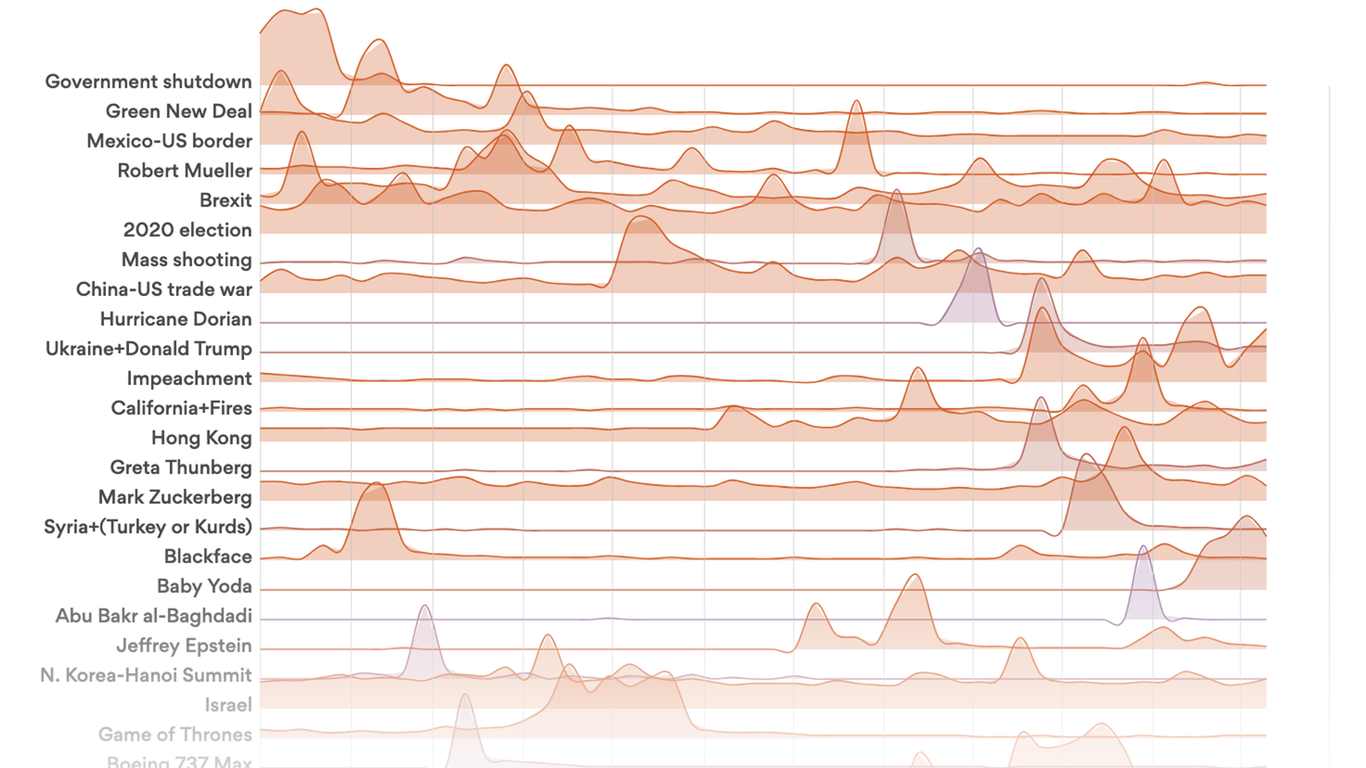
In 2026, the news agenda isn’t set by editors or journalists—it’s set by the whims of the internet. Welcome to the era of “narrative roulette,” where a single tweet, a leaked DM, or a misinterpreted meme can send the entire media ecosystem spiraling into a new obsession. One day, the world is fixated on a celebrity’s cryptic Instagram story; the next, it’s obsessing over a leaked AI-generated image of a world leader in a compromising position. There’s no rhyme or reason to what captures the public’s imagination—only the cold, indifferent logic of virality.
This unpredictability has given rise to a new kind of news consumer: the “narrative gambler.” These individuals don’t follow the news for information; they follow it for the thrill of the unknown. They hop from one trending topic to the next, treating the news cycle like a slot machine, pulling the lever and hoping for a jackpot of engagement. The media, in turn, has adapted by producing content designed to be instantly disposable. A 24-hour news cycle has become a 24-minute news cycle, with outlets churning out updates, hot takes, and “breaking” analysis at a pace that leaves little room for reflection. The result is a news environment that’s exhilarating, exhausting, and ultimately unsustainable.
The chaotic collage of the 2026 news cycle isn’t just a symptom of a broken system—it’s a reflection of a world in transition. The old guard of journalism is crumbling, replaced by a hydra-headed beast of algorithms, memes, and citizen journalists, each vying for a slice of the attention economy. Truth is no longer a fixed point but a fluid concept, shaped by the whims of the internet and the biases of the platforms that govern it. Yet, for all its chaos, this fractured media landscape offers something undeniably compelling: a front-row seat to the unraveling of history in real time. The question isn’t whether we can make sense of it all—it’s whether we dare to look away.


Leave a Comment