

Have you ever watched your child transform into a tiny tornado of energy, leaving a trail of half-built block castles, scribbled masterpieces on the walls, and a symphony of giggles that somehow always ends with a crash? Welcome to the whirlwind world of chaoticism—the art of turning everyday moments into a masterclass in controlled pandemonium. But what if we told you that within that delightful disorder lies a secret language, one that your child is desperately trying to speak? Talking to your kids about chaoticism isn’t just about reigning in the storm; it’s about understanding the rhythm of their chaos, decoding its purpose, and perhaps, just perhaps, learning to dance in the mess with them.
Chaoticism, in its purest form, is the unbridled expression of a child’s boundless imagination and energy. It’s the reason why a cardboard box becomes a spaceship, why a spoon is a microphone, and why bedtime is a battleground of last-minute negotiations. But here’s the twist: chaoticism isn’t just about the mess. It’s a form of communication, a way for children to explore boundaries, test limits, and, most importantly, assert their independence. So, how do you talk to your kids about this beautiful, albeit exhausting, phenomenon? Let’s dive into the art of turning chaos into connection.
The Playful Paradox: Why Chaos is a Child’s Secret Language
Imagine, for a moment, that you’re a child. The world is a vast, unexplored jungle, and every object, sound, and sensation is a potential adventure. Chaoticism is your child’s way of mapping that jungle, one wild leap at a time. But here’s the playful paradox: while chaos feels like anarchy to us, it’s often a carefully constructed experiment in creativity and problem-solving. A child who stacks blocks until they topple isn’t just making a mess—they’re testing the laws of physics. A toddler who empties a drawer isn’t just being destructive; they’re exploring cause and effect.
Yet, this playful exploration can quickly spiral into frustration—for both child and parent. The key lies in recognizing that chaoticism isn’t the enemy; it’s a signal. It’s your child’s way of saying, “I need to move, I need to create, I need to explore!” The challenge? How do you channel that energy into something productive without squashing their spirit? The answer lies in reframing your perspective. Instead of seeing chaos as a problem to solve, try viewing it as a conversation starter. Ask yourself: What is my child trying to tell me through this whirlwind of activity?

Setting the Stage: Creating a Chaos-Friendly Environment
Before you can talk to your kids about chaoticism, you need to create a space where it’s not just tolerated—it’s celebrated. Think of it as designing a playground for their imagination. Start by designating a “chaos zone” in your home, a place where mess is not only allowed but encouraged. This could be a craft table, a playroom, or even a corner of the living room with a tarp underneath. The goal? To give your child the freedom to explore without the constant reminder that they’re “making a mess.”
But here’s where the challenge sneaks in: how do you balance this freedom with the realities of daily life? The answer lies in boundaries. Even in a chaos-friendly zone, rules are essential. For example, you might set a rule that all art supplies must stay in the designated area or that loud play is only allowed during certain hours. The trick is to frame these rules as part of the adventure. “This is our creativity lab,” you might say. “Here, we build, we create, and yes, sometimes we make a little bit of a mess. But outside this zone, we keep things tidy so we can play again tomorrow.”
Another playful strategy is to turn cleanup into a game. Challenge your child to “beat the timer” or turn it into a scavenger hunt. “Can you find all the red blocks before the music stops?” The goal isn’t just to tidy up; it’s to make the process as engaging as the chaos itself. By doing so, you’re teaching your child that even in the aftermath of their whirlwind, there’s order to be found—and that order can be just as fun.
The Art of the Conversation: Talking About Chaos Without Killing the Magic
Talking to your kids about chaoticism isn’t about lecturing them on the importance of tidiness. It’s about guiding them to understand their own energy and creativity. Start by naming the chaos. “Wow, you’re really in the zone today!” or “I see you’re building something amazing—tell me about it!” By acknowledging their activity, you’re validating their experience and opening the door to dialogue.
But here’s where the real challenge lies: how do you address the mess without dampening their enthusiasm? The secret is to separate the child from the chaos. Instead of saying, “You’re making such a mess,” try, “This is such a fun project! Let’s think about where we can do this so we don’t make a mess in the kitchen.” This approach shifts the focus from blame to problem-solving, teaching your child that their creativity is valued, even when the execution is a little wild.
For older kids, you can dive deeper into the psychology of chaoticism. Explain how their brains are wired to explore and create, and how mess is often a byproduct of that process. You might even share stories of famous artists, scientists, or inventors who embraced chaos in their work. “Did you know that Einstein’s desk was always a mess? He said it was because his best ideas came when he wasn’t trying to control everything.” By framing chaoticism as a sign of brilliance, you’re helping your child see their energy as a strength, not a flaw.
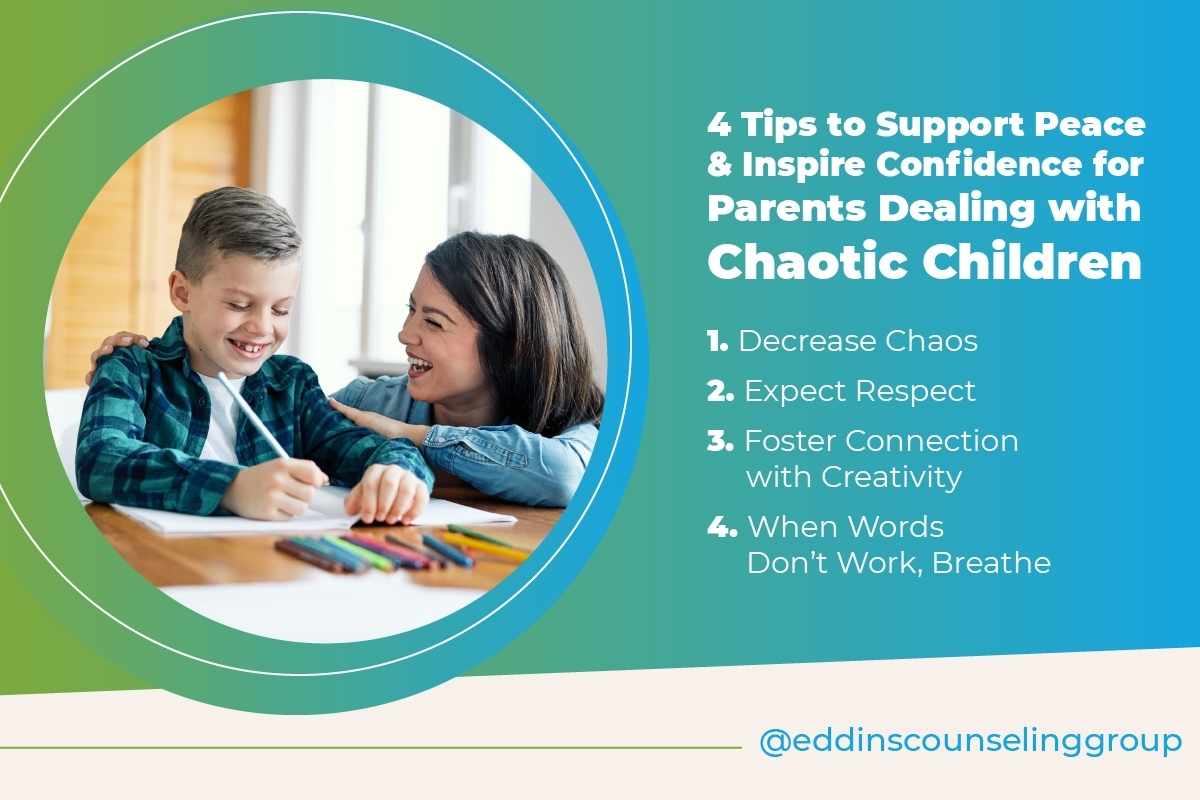
From Chaos to Calm: Teaching Emotional Regulation Through Play
Chaoticism isn’t just about physical mess; it’s often a reflection of emotional turbulence. A child who’s feeling overwhelmed, frustrated, or even excited might channel those emotions into chaotic behavior. The challenge? Helping them recognize and manage those feelings without suppressing their energy. Enter the concept of emotional chaoticism—the idea that sometimes, the mess isn’t just in the room; it’s in their minds.
Start by giving your child the language to describe their emotions. “I see you’re feeling really excited right now. Do you want to jump up and down or draw a picture of how you’re feeling?” By providing alternatives, you’re teaching them that emotions can be expressed in many ways, not just through chaos. You can also introduce mindfulness techniques in a playful way. “Let’s take three deep breaths together before we start building our tower. Ready? In through your nose, out through your mouth.”
Another powerful tool is storytelling. Create a character who embodies chaoticism, like a mischievous dragon or a whirlwind fairy. Give this character a name and a personality, and let your child decide how to interact with them. “Oh no, the Whirlwind Fairy is here! She loves to scatter things around. What should we do to help her calm down?” This playful approach helps your child externalize their emotions, making it easier to talk about them without feeling overwhelmed.
The Grand Finale: Embracing Chaos as a Family Value
At the end of the day, talking to your kids about chaoticism isn’t about eliminating the mess; it’s about embracing it as a part of your family’s unique rhythm. It’s about finding the joy in the chaos, the creativity in the clutter, and the connection in the craziness. So, the next time your child turns your living room into a construction site or your kitchen into a science lab, take a deep breath and remember: this is their way of exploring the world. And who knows? You might just find that you enjoy the chaos a little more than you thought you would.
After all, life isn’t about avoiding the mess—it’s about learning to dance in it. And with the right perspective, even the wildest, most chaotic moments can become the stuff of family legend. So go ahead, lean into the whirlwind. The best stories always start with a little bit of disorder.


Leave a Comment