

In the labyrinthine corridors of modern workplaces, where deadlines loom like storm clouds and priorities shift like desert sands, there exists a rare phenomenon—Narrative Velocity. It’s not just about getting things done; it’s about the story you’re weaving as you do it. When chaos is the default setting, those who harness narrative velocity don’t just survive—they thrive, turning disarray into a compelling saga of progress. But how do you spot it? How do you recognize the subtle cues that separate the mere doers from the storytellers of their own work? Let’s embark on a journey to decode this elusive force.
Imagine your work as a river. Most people are content to float downstream, letting the current dictate their path. But those who master narrative velocity? They’re the ones who sculpt the riverbank, redirecting the flow, carving new channels, and ensuring the water doesn’t just pass by—it matters. This is the essence of narrative velocity: the art of making even the most chaotic work feel intentional, purposeful, and, above all, memorable.
The First Sign: A Clear Throughline
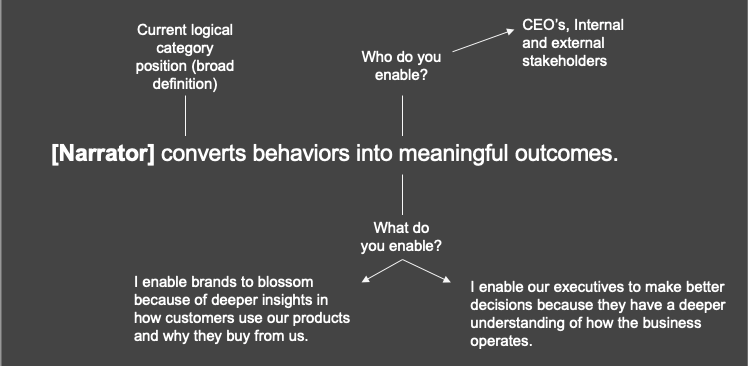
In the throes of chaos, clarity is the first casualty. Yet, those who wield narrative velocity possess an uncanny ability to distill complexity into a single, unwavering thread. This is the throughline—the invisible rope that ties every task, meeting, and decision to a larger purpose. It’s not about rigid planning; it’s about a flexible yet unshakable sense of direction.
Picture a project manager in the midst of a crisis. While others scramble to put out fires, the narrative velocity master asks: “How does this align with our core mission?” They don’t just solve problems; they frame them within a story that gives each action weight. This throughline isn’t written in stone—it’s more like a living script, adapting as the chaos unfolds, yet never losing sight of the protagonist’s journey: you.
The Second Sign: The Art of Selective Detachment
Chaos thrives on emotional entanglement. The more you grip the reins of a situation, the tighter its grip on you becomes. Narrative velocity, however, demands a paradoxical skill: selective detachment. This isn’t about indifference; it’s about observing the chaos as if it were a character in a play you’re directing.
Consider the software developer drowning in bug reports. A narrative velocity master doesn’t drown with them. Instead, they step back, metaphorically donning a director’s cap, and ask: “What’s the scene we’re trying to set here?” They separate the noise from the signal, treating each bug not as a failure but as a plot twist in the larger narrative of the product’s evolution. This detachment allows them to steer the story rather than being steered by it.
It’s a delicate balance—too much attachment, and you’re paralyzed; too little, and you’re adrift. The masters of narrative velocity walk this tightrope with grace, using detachment as a tool to refine their narrative rather than escape it.
The Third Sign: The Power of Micro-Narratives
Grand narratives are impressive, but in chaos, they’re often too unwieldy to be useful. The real magic of narrative velocity lies in micro-narratives—small, digestible stories that give each moment meaning. These are the anecdotes, the quick wins, the “aha!” moments that punctuate the chaos like stars in a night sky.
Take the marketing team launching a campaign under tight deadlines. While others see a blur of tasks, the narrative velocity master crafts micro-narratives: “This email isn’t just a send—it’s the opening act of a customer’s journey with us.” Or, “This meeting isn’t a chore—it’s the turning point where we pivot from reactive to proactive.” These micro-narratives don’t just motivate; they orient. They turn the mundane into the meaningful, the scattered into the structured.
The Fourth Sign: The Echo of Anticipation
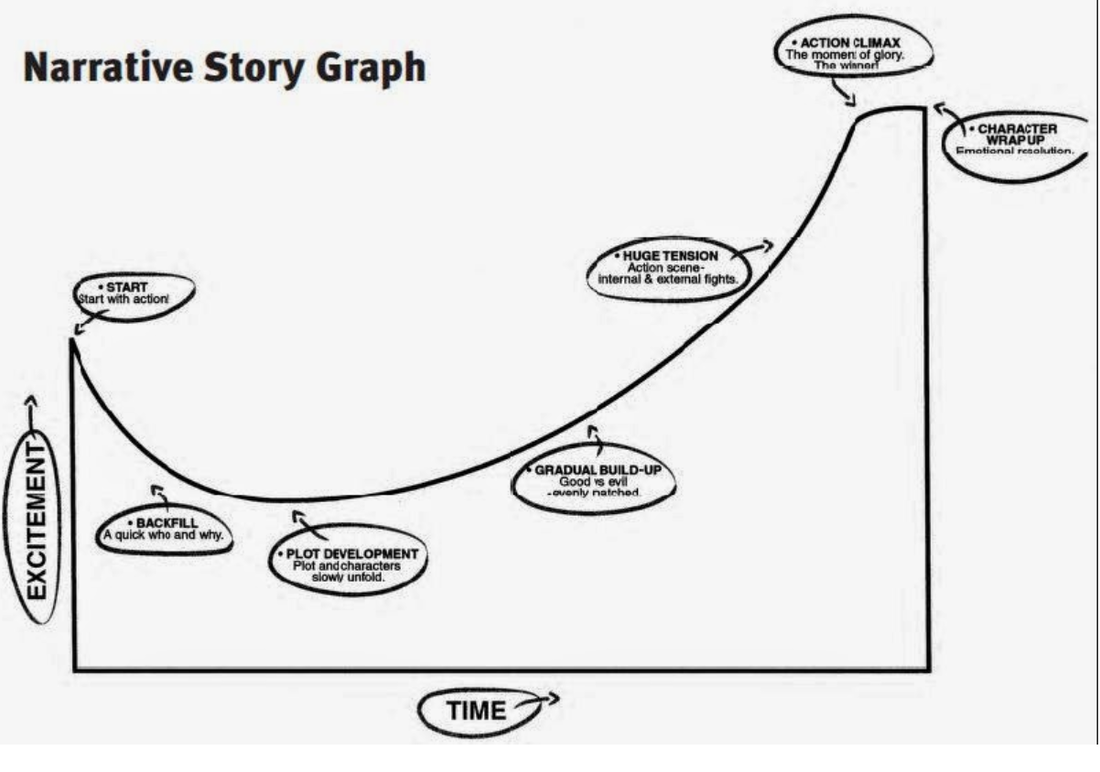
Narrative velocity isn’t just about the present—it’s about the future. Those who wield it well leave behind a trail of anticipation, a sense that the next chapter is not just coming but demanded by the story itself. This is the hallmark of a true storyteller of work: they make others lean in, eager to see what happens next.
Think of the team lead who, after a grueling sprint, doesn’t just declare victory. Instead, they say: “This is just the prologue. Next week, we’re setting the stage for something bigger.” Or the designer who, amidst a sea of revisions, frames each change as a step toward a “revelation” in the final product. This isn’t hype; it’s the subtle art of making the future feel inevitable.
The echo of anticipation does more than inspire—it aligns. It turns a group of individuals into a cast, each playing a role in a story that’s still being written. And in chaos, that alignment is the difference between a ship adrift and a fleet sailing toward a horizon.
The Fifth Sign: The Alchemy of Constraints
Chaos often feels like a cage, but the masters of narrative velocity see it as a constraint canvas. They don’t bemoan the lack of resources or time; they treat those limitations as the very ingredients that will make their story compelling. Constraints, in their hands, become the spice that elevates the narrative.
Consider the writer working with a strict word limit. Most would see it as a straitjacket, but the narrative velocity master sees it as a challenge to distill their message to its essence. Or the entrepreneur with a shoestring budget. They don’t complain; they reframe the constraint as the crucible that will forge their brand’s unique appeal.
This alchemy isn’t about making do—it’s about making magic. It’s the difference between a story that feels forced and one that feels inevitable, born from the very constraints that sought to stifle it.
The Sixth Sign: The Ritual of Reflection
In the relentless march of chaos, reflection is often the first thing to fall by the wayside. Yet, it’s in these moments of pause that narrative velocity truly takes flight. The masters of this art don’t just work; they observe their work, treating each day as a scene in a larger play.
This isn’t about navel-gazing. It’s about asking: “What did this day teach me about the story I’m writing?” Or, “Where did the narrative stall, and how can I reignite it tomorrow?” These reflections aren’t passive; they’re active storytelling. They’re the edits in a rough draft, the polish on a half-finished sculpture.
Without reflection, chaos remains chaos. With it, chaos becomes a narrative—one that’s being written in real time, with each decision, each setback, each triumph adding a new layer to the tale.

To spot narrative velocity in a chaoticist’s work is to witness the transformation of the mundane into the mythic. It’s not about the absence of chaos—it’s about the presence of a story that gives that chaos shape, direction, and meaning. It’s the quiet confidence of someone who knows that even in the most disordered of times, they are the author of their own saga.
In a world where work often feels like a series of unrelated events, narrative velocity is the thread that weaves them into a tapestry. It’s the difference between a life lived in fragments and one that feels like a grand adventure. And when you see it in action, you’ll recognize it instantly—not by the absence of chaos, but by the presence of a story that refuses to be silenced by it.


Leave a Comment