

Imagine walking into a room suffused with the quiet hum of life—where walls whisper with the verdant secrets of the forest, and every glance lingers on living canvases that not only captivate the eye but also purify the air you breathe. This isn’t a scene from a futuristic eco-paradise; it’s the promise of a biophilic art collection, a sanctuary where aesthetics and wellness intertwine. If you’ve ever felt the weight of stale indoor air or the dull ache of a space stripped of vitality, prepare to reimagine your surroundings. A biophilic art collection isn’t just a visual feast; it’s a breath of fresh air—literally.
Biophilic art transcends traditional decoration. It’s a deliberate fusion of nature’s forms, patterns, and processes with human creativity, designed to evoke the innate connection we share with the natural world. But here’s the twist: when curated thoughtfully, these artworks don’t just soothe the soul—they actively scrub the air of toxins, turning your walls into silent guardians of well-being. This guide will unravel how to assemble a collection that does more than adorn; it revitalizes. From selecting the right materials to understanding the science behind air-purifying art, we’ll explore how to transform your space into a living, breathing ecosystem.
The Alchemy of Living Walls: How Biophilic Art Purifies the Air
At the heart of a biophilic art collection lies a profound truth: nature doesn’t just inspire art—it *is* art. The most effective pieces mimic or incorporate living organisms, leveraging their natural air-purifying properties. Take, for instance, artworks embedded with epiphytic plants—those that grow on other plants without drawing nutrients from them, like mosses and ferns. These humble organisms are powerhouses of phytoremediation, a process where plants absorb volatile organic compounds (VOCs) such as formaldehyde, benzene, and trichloroethylene from the air. A single square foot of moss can filter up to 2.5 milligrams of airborne toxins per day, making it a formidable ally in the fight against indoor pollution.
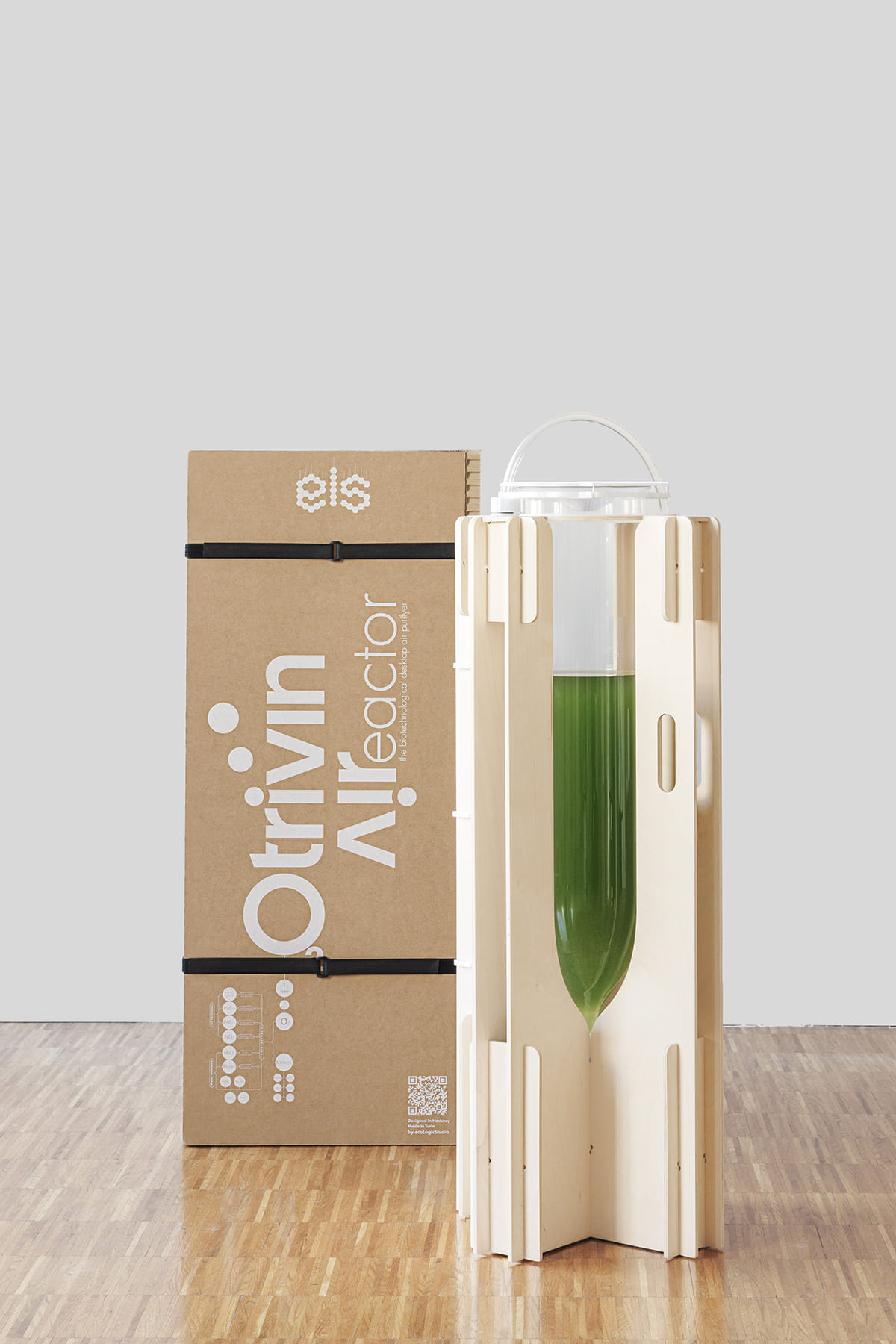
But biophilic art doesn’t stop at plants. Consider the integration of algae-based art, a cutting-edge trend where photosynthetic microorganisms are encased in translucent panels. Algae don’t just absorb CO₂; they release oxygen and can neutralize airborne pathogens. Imagine a wall sculpture where tendrils of green algae pulse with life, their chlorophyll-rich hues shifting with the light, all while quietly scrubbing the air. The result? A dynamic, ever-evolving piece that engages both the senses and the respiratory system.
To harness this alchemy, prioritize artworks that incorporate living media—whether it’s a vertical garden framed in reclaimed wood, a resin-encased terrarium teeming with air-purifying plants, or a kinetic sculpture powered by photosynthesis. The key is to choose pieces that balance aesthetic appeal with functional integrity. A static painting of a forest, no matter how breathtaking, won’t clean your air. But a living painting—a moss graffiti mural or a suspended garden of air plants—will.
Materials That Breathe: Choosing Sustainable, Air-Friendly Canvases
The canvas of your biophilic art collection extends beyond the artwork itself—it includes the very materials used to create and display it. Traditional art supplies, from oil paints to synthetic varnishes, often off-gas VOCs, undermining the air-purifying benefits of your pieces. To avoid this, seek out artworks crafted from breathable, non-toxic materials. Reclaimed wood, for example, not only adds rustic charm but also reduces the need for new resources, while its natural fibers can help regulate humidity. Ceramic and clay-based artworks, too, are excellent choices; their porous surfaces can absorb excess moisture and trap airborne pollutants.
For a modern twist, consider artworks embedded with activated charcoal or zeolite, minerals renowned for their ability to adsorb toxins. These materials can be incorporated into sculptures, wall hangings, or even functional furniture like air-purifying side tables. A charcoal-infused relief sculpture, for instance, might feature intricate carvings of botanical motifs, its dark surface subtly purifying the air as it captivates the eye.
Equally important is the framing and mounting of your collection. Opt for low-VOC adhesives and non-toxic sealants to ensure that the very structures holding your art don’t become sources of indoor pollution. Frames made from sustainably sourced bamboo or cork not only complement biophilic aesthetics but also contribute to a healthier indoor environment. Remember: every element of your collection should sing in harmony with nature, not against it.
The Science of Scent and Sensation: Engaging Multiple Senses
Biophilic art isn’t just a visual experience—it’s a multisensory journey. The most immersive collections engage not only sight but also smell, touch, and even sound. Consider incorporating artworks that release phytoncides, the antimicrobial compounds emitted by trees like pine and cedar. These subtle, forest-like aromas not only evoke the outdoors but also have been shown to reduce stress and boost immune function. A wooden sculpture infused with cedar oil, for example, could double as an air freshener, its woody scent subtly cleansing the air as it lingers in the room.
Texture plays a crucial role as well. The tactile experience of running your fingers over a rough bark sculpture or a smooth river stone embedded in resin can ground you in the present moment, fostering a deeper connection to nature. For a more interactive piece, consider a kinetic art installation that incorporates wind chimes or bamboo flutes, their gentle melodies harmonizing with the rustle of leaves in a living wall. These elements transform your space into a symphony of nature, where every sense is awakened.
Don’t overlook the power of biophilic color palettes, either. Shades of green, blue, and earthy browns aren’t just pleasing to the eye—they’ve been linked to reduced cortisol levels and increased feelings of calm. A collection that balances vibrant hues with muted, organic tones will create a dynamic yet soothing atmosphere, where the mind can wander freely and the lungs can breathe deeply.
Curating with Intention: Placement and Proportion in Your Space
Assembling a biophilic art collection isn’t just about acquiring beautiful pieces—it’s about orchestrating an experience. The placement of each artwork should be deliberate, guiding the viewer’s gaze and encouraging a sense of flow. Start by identifying the breathing zones of your space—areas where you spend the most time, such as living rooms, bedrooms, or home offices. These are prime locations for your most air-purifying pieces.
Consider the scale and proportion of your artworks in relation to the room. A sprawling living wall of air plants might overwhelm a small apartment, while a single, intricately carved wooden panel could feel lost in a vast, open-plan loft. Aim for a balance that feels harmonious, where each piece complements the others without competing for attention. Group smaller artworks in curated clusters to create focal points, or use a single large statement piece as the anchor of a room.
Lighting is another critical factor. Natural light is the gold standard for biophilic art, as it enhances the vibrancy of living materials and casts dynamic shadows that mimic the play of sunlight through leaves. If natural light is limited, opt for full-spectrum LED lighting that mimics daylight, ensuring your artworks retain their vitality. Avoid harsh, artificial lighting, which can dull the colors of your pieces and disrupt the calming ambiance you’re cultivating.
Finally, think about the narrative of your collection. Each piece should tell a story, whether it’s the journey of a seedling grown into a living sculpture or the transformation of reclaimed wood into a functional air purifier. This narrative adds depth to your space, making it feel less like a gallery and more like a living ecosystem.
The Future of Biophilic Art: Trends to Watch
The world of biophilic art is evolving at a breathtaking pace, with innovations that push the boundaries of what’s possible. One of the most exciting trends is the rise of bio-reactive art, where artworks respond to environmental changes in real time. Imagine a sculpture that shifts color as air quality improves or a wall installation that releases more oxygen when CO₂ levels rise. These pieces aren’t just static decorations—they’re dynamic partners in your well-being.
Another burgeoning field is mycoremediation art, which harnesses the power of fungi to break down pollutants. Artists are experimenting with mycelium-based sculptures that not only absorb toxins but also decompose over time, leaving behind nutrient-rich soil. These ephemeral artworks remind us that beauty and utility can coexist in a cycle of renewal.
As technology advances, so too does the potential for integration. Smart art installations equipped with air quality sensors can now provide real-time feedback on the air you’re breathing, turning your collection into a living dashboard of wellness. Picture a digital frame that displays the air purification progress of your living wall or a holographic sculpture that visualizes the invisible toxins being scrubbed from the air. The future of biophilic art isn’t just about what you see—it’s about what you *feel* and *experience*.

Your biophilic art collection is more than a statement—it’s a revolution. It’s a declaration that your space should nourish you, not deplete you. It’s a promise that beauty and wellness can coexist, that art can be both a mirror and a healer. As you curate your collection, remember that each piece is a thread in a larger tapestry, one that weaves together the vitality of the natural world with the creativity of human expression.
Start small if you must—a single air-purifying sculpture, a framed pressed fern, or a reclaimed wood wall hanging. Let it grow organically, guided by your intuition and the rhythms of nature. Over time, your space will transform from a static backdrop into a living, breathing sanctuary, where every breath feels lighter and every glance feels like a homecoming.
The air you breathe is the first gift of life. Now, it’s time to give it back.


Leave a Comment