

Have you ever stood before a miniature painting and felt the unmistakable tug of curiosity, as though the artist had woven a secret doorway into another realm? Those tiny figures, meticulously rendered, don’t just depict a scene—they invite you to step inside. What if these delicate artworks are not merely representations of worlds but actual portals, whispering promises of adventure just beyond the frame? The miniature painting, with its intricate details and boundless imagination, might just be the key to unlocking a universe where time bends, myths come alive, and every brushstroke hums with possibility. But beware: once you peer too closely, you may find it impossible to look away.
Miniature paintings have long been revered as windows into distant eras, cultures, and dreams. Yet, their true magic lies not in their historical accuracy or technical brilliance alone, but in their ability to transcend the canvas. They are not just art; they are gateways. Imagine a Mughal miniature where a peacock’s feathers shimmer with iridescent hues, each barbule a thread leading to a hidden garden where emperors converse with celestial beings. Or consider a Persian miniature where a lone traveler traverses a landscape so vivid that the scent of blooming jasmine lingers in the air. These artworks don’t just show you a place—they let you inhabit it, if only for a fleeting moment. But what happens when the portal opens wider than intended? What if the miniature world begins to seep into our own?
The Alchemy of Scale: How Tiny Brushstrokes Build Infinite Worlds
The first enchantment of miniature painting lies in its audacity to compress vastness into the palm of your hand. A single sheet of paper, no larger than a postage stamp, can contain an entire cosmos. The artist wields a brush finer than a human hair, layering colors with the precision of a jeweler setting a gem. Each stroke is a deliberate incantation, transforming pigment into narrative. The challenge? Mastering the art of omission. In a miniature, nothing is superfluous. Every line, every shadow, every fleeting expression must serve the story—or risk breaking the spell.
Consider the Rajasthani miniature, where a warrior’s turban isn’t just fabric but a testament to his lineage, its folds revealing secrets of his clan. The peacock, a recurring motif, isn’t merely a bird but a symbol of divine beauty, its tail feathers unfurling like a fan of stardust. The artist must balance hyper-detailed elements with the illusion of depth, using techniques like sfumato—softening edges to create a dreamlike haze—so the viewer’s eye doesn’t stumble upon the seams of this fabricated world. The result? A paradox: the smaller the painting, the larger the universe it contains. But here’s the rub: the more meticulously crafted the portal, the harder it becomes to resist stepping through.
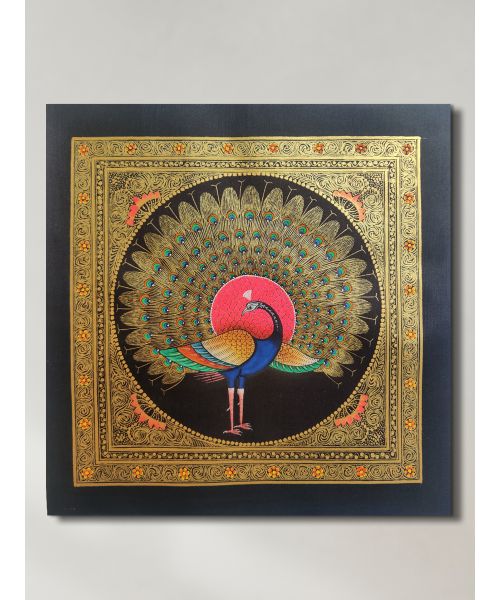
The Portal’s Paradox: When the Frame Fails to Contain the Vision
Every portal has its limits, and miniature paintings are no exception. The challenge arises when the artist’s vision outgrows the canvas, when the details become so hypnotic that the viewer’s imagination begins to spiral beyond the frame. This is the paradox of the miniature: it is both a confined space and an infinite expanse. Take, for example, the Ragamala paintings of India, where each melody is visualized as a scene of lovers, gods, or nature. The artist must decide: should the painting confine the raga to a single moment, or should it hint at the music’s echo, the way a single note can reverberate through an entire symphony?
This tension between containment and expansion is where the true magic—and danger—of miniature portals lies. A poorly executed miniature might feel like a locked door, its details too rigid to invite exploration. But a masterpiece? It’s a door left ajar. The viewer’s mind fills in the gaps, extrapolating the unseen: the rustle of silk in a garden pavilion, the distant call of a conch shell, the weight of a monarch’s crown pressing into velvet. The artist’s greatest triumph is when the miniature ceases to be a painting and becomes a threshold. But what happens when the viewer crosses that threshold? What if the portal doesn’t just show another world but alters this one?
The Mythic Underlayer: When Miniatures Become Sacred Thresholds
Across cultures, miniature paintings have served as more than decorative art—they’ve been sacred objects, talismans, and even tools of divination. In Tibetan thangkas, the intricate mandalas are not just representations of the cosmos but active portals, used in meditation to visualize enlightenment. The artist doesn’t merely depict a deity; they invite the deity’s presence into the painting. The challenge here is one of reverence: the miniature must be precise enough to honor tradition, yet open enough to allow the divine to permeate the physical world.
Consider the Persian miniature’s obsession with hazineh, the hidden meaning beneath the surface. A painting of a king hunting might seem straightforward, but the placement of a single tree, the direction of a gazelle’s gaze, or the color of a horse’s bridle could signify cosmic balance, royal destiny, or the fleeting nature of life. The artist becomes a conjurer, weaving layers of symbolism so dense that the painting itself becomes a labyrinth. But beware: those who dare to navigate its corridors may emerge forever changed, their perception of reality tinged with the hues of the miniature’s world.
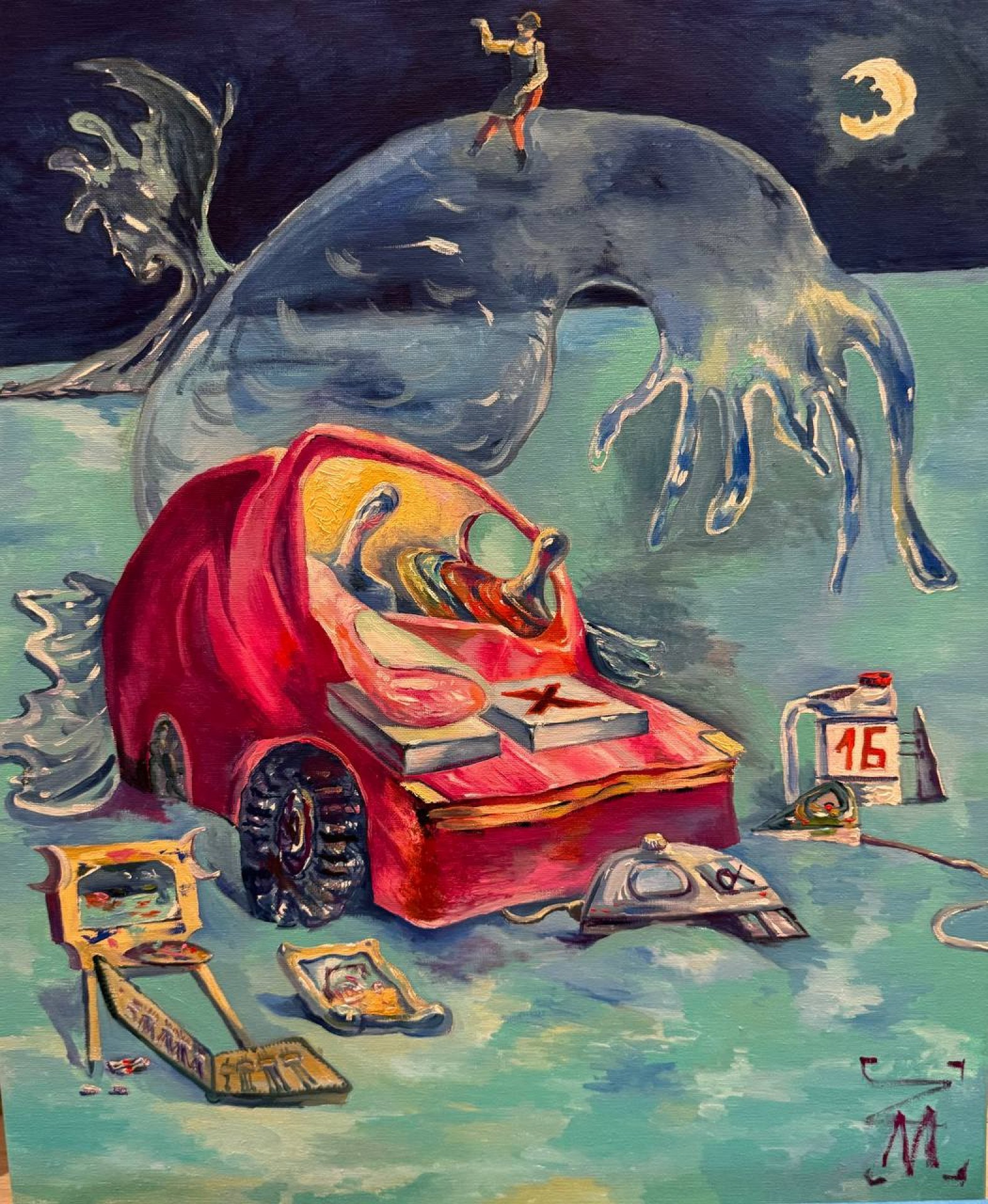
The Modern Conundrum: Can Digital Miniatures Still Open Doors?
In an age where pixels replace pigments and screens replace scrolls, the miniature painting faces a new challenge: can digital art replicate the enchantment of its analog counterpart? The answer lies in the artist’s ability to evoke the same tactile intimacy. A digital miniature, rendered with the same obsessive detail as a hand-painted scroll, can still whisper promises of other worlds. But here’s the catch: the digital realm is vast, and attention spans are fleeting. A single swipe can close the portal before the viewer has even glimpsed its wonders.
Yet, there’s a silver lining. Digital tools allow artists to embed hidden layers—clickable elements that reveal new scenes, animations that bring static figures to life, or even augmented reality features that let the viewer “step into” the painting. The challenge now is to resist the temptation of gimmicks. A true portal doesn’t need flashy effects; it needs soul. Whether on parchment or a screen, the miniature’s power lies in its ability to make the impossible feel tangible. But what happens when the line between the miniature world and our own begins to blur entirely?
The Final Step: Crossing the Threshold (If You Dare)
So, you’ve stood before the miniature, your eyes tracing every delicate line, your mind wandering into the painted landscape. You’ve felt the pull, the unshakable sense that this isn’t just art—it’s an invitation. The question now is: will you accept it? Miniature paintings are more than windows; they are contracts between artist and viewer, pacts that say, “Look closely, and you might find more than you bargained for.”
The challenge, of course, is that portals work both ways. Once you’ve glimpsed the world beyond, it’s nearly impossible to unsee it. The Mughal emperor’s garden might haunt your dreams. The Persian traveler’s journey could inspire your next adventure. The mythological portal might whisper to you in the quiet hours, urging you to pick up a brush and create your own doorway. The miniature painting doesn’t just depict a world—it beckons you to step into it, to lose yourself in its details, and to emerge, if you’re lucky, with a piece of its magic woven into your own reality.
So, the next time you encounter a miniature, don’t just admire it from afar. Lean in. Study its secrets. And if you feel the faintest tug at your sleeve, don’t resist. The portal is waiting—and it’s far more inviting than you might think.


Leave a Comment