

In a world where the specter of climate change looms larger with each passing season, art has emerged not just as a mirror to society’s anxieties, but as a clarion call for action. The canvas, once a silent observer of human emotion, now roars with urgency, its brushstrokes and digital pixels weaving narratives of environmental peril and hope. Buying art that fights climate change isn’t merely a transaction; it’s an act of defiance, a commitment to a future where creativity and conservation intertwine. Yet, for many, the journey to acquiring such art is shrouded in uncertainty. How does one navigate this vibrant intersection of aesthetics and activism? What stories do these artworks whisper, and how can they ignite change in the hearts of those who behold them? Let’s embark on a journey through the world of climate-conscious art, where every purchase becomes a brushstroke in the grand mural of planetary renewal.
The Allure of Climate Art: Why It Captivates and Compels
There’s a magnetic pull to art that tackles climate change—a pull that transcends mere visual appeal. When you stand before a painting of melting glaciers rendered in swirling blues and stark whites, or a sculpture fashioned from reclaimed ocean plastic, your senses are assaulted not just by color and form, but by an unspoken challenge. This art doesn’t just depict the crisis; it demands participation. The fascination isn’t accidental. It’s rooted in our innate desire to confront the unknown, to grapple with the forces reshaping our world. Climate art acts as a bridge between the abstract and the tangible, transforming data into emotion. It’s the difference between reading a report on rising sea levels and feeling the weight of a wave crashing against a crumbling coastline, frozen in time on a canvas. This visceral connection is why climate art resonates so deeply—it doesn’t just inform; it transforms spectators into witnesses, and witnesses into advocates.
Decoding the Message: What Makes Art Truly “Climate-Fighting”
Not all art that touches on environmental themes qualifies as a force for change. The most impactful pieces do more than raise awareness—they catalyze action. Look for works that employ symbolic materiality, where the medium itself carries a message. A sculpture made from e-waste, for instance, isn’t just a commentary on technology’s footprint; it’s a physical manifestation of our disposable culture. Similarly, art that incorporates interactive elements, such as augmented reality overlays that reveal hidden data about deforestation, transforms passive observation into active engagement. The best climate art also embraces narrative ambiguity, leaving room for interpretation while guiding the viewer toward uncomfortable truths. It’s not about preaching; it’s about provoking. When evaluating a piece, ask: Does it challenge me? Does it make the invisible visible? Does it linger in my mind long after I’ve turned away?

The Collector’s Dilemma: Balancing Aesthetics, Ethics, and Impact
For those drawn to the idea of building a collection rooted in climate activism, the first hurdle is often the clash between desire and conscience. How do you reconcile the allure of a striking piece with the knowledge that its creation might have left a carbon footprint? The answer lies in ethical provenance. Seek out artists who prioritize sustainable materials—recycled metals, non-toxic paints, or even biodegradable canvases. Support creators who embrace slow art, where the process itself is a rebellion against the fast fashion of the art world. Consider the artist’s own ethos: Do they engage in local conservation efforts? Do they donate a portion of proceeds to environmental causes? Remember, a piece’s impact extends beyond its frame. It’s also in the ripple effects of its creation, its exhibition, and its eventual home. The most meaningful collections aren’t just visually stunning; they’re ethically consistent, a testament to the collector’s values as much as the artist’s vision.
Where to Look: Galleries, Markets, and the Digital Frontier
The hunt for climate-conscious art is no longer confined to brick-and-mortar galleries. While traditional spaces like the eco-centric galleries in Berlin or the sustainable art fairs in Amsterdam remain vital, the digital realm has democratized access like never before. Online platforms such as Art to Acres or Etsy’s eco-art section connect buyers directly with artists whose work aligns with environmental advocacy. Social media, too, has become a thriving marketplace, where Instagram artists like Xavier Cortada or Olga Kisseleva share their climate-themed creations alongside their creative processes. But beware the greenwashing trap. Not every piece labeled “eco-friendly” lives up to the claim. Vet sellers carefully. Look for certifications like Cradle to Cradle or partnerships with environmental nonprofits. And don’t overlook the power of local art scenes—community murals, pop-up exhibitions in repurposed warehouses, or even school fundraisers often feature works that tackle regional environmental issues with raw authenticity.
The Ripple Effect: How Your Purchase Fuels a Movement
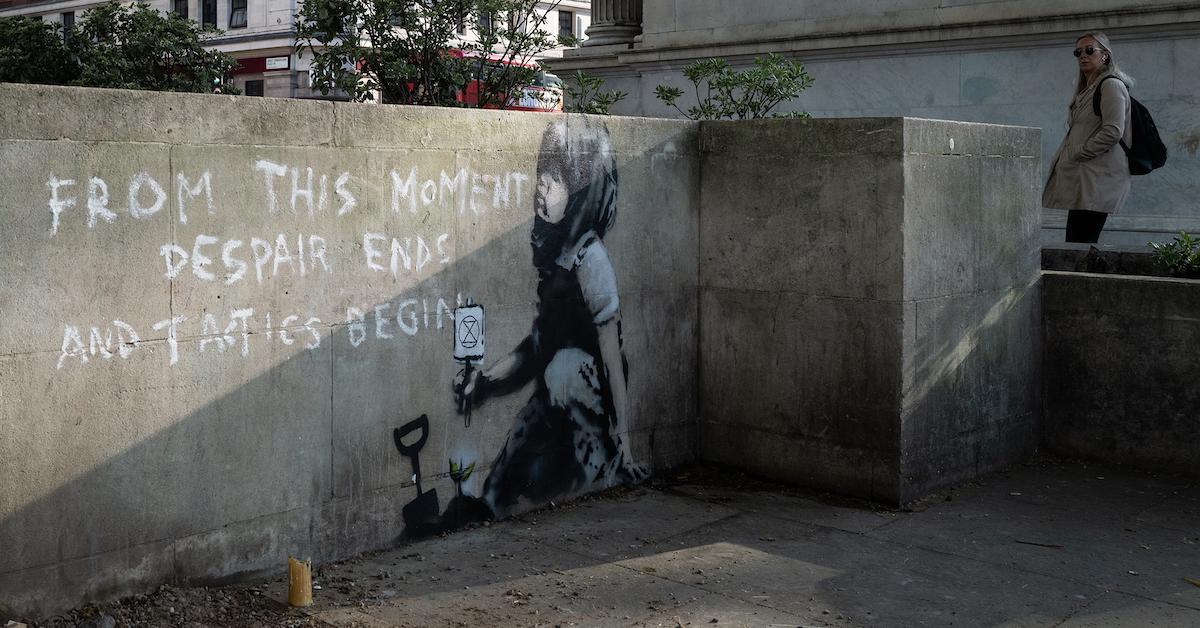
Every artwork you buy is a vote—a vote for the kind of world you want to inhabit. When you invest in climate-conscious art, you’re not just adorning your walls; you’re fueling a cultural shift. Artists, especially those at the forefront of this movement, often reinvest their earnings into conservation projects, educational programs, or grassroots activism. Your purchase becomes a lifeline for their work, allowing them to create more, to experiment, to push boundaries. Consider the case of Banksy’s climate-themed pieces, which have not only sparked global conversations but also directed funds toward rewilding initiatives. Even lesser-known artists use their earnings to plant trees, clean waterways, or support indigenous land rights. Beyond the financial, there’s the social ripple. Your collection becomes a conversation starter, a visual manifesto that invites others to question their own consumption habits. In a world where individual actions often feel inconsequential, art is a reminder that change begins with a single brushstroke—and a single purchase.
Beyond the Canvas: Supporting Artists Who Walk the Talk
Art that fights climate change isn’t confined to galleries or digital screens. It spills into the streets, into public spaces, and into the very materials artists choose to work with. Seek out creators who embody radical transparency in their practices. These are the artists who openly share their supply chains, who use their platforms to advocate for policy changes, or who collaborate with scientists to visualize data in compelling ways. Support those who engage in artivism—a fusion of art and activism—where the artwork itself becomes a tool for protest or education. Attend their workshops, share their work on social media, or even commission custom pieces that address specific environmental issues close to your heart. The most powerful climate art isn’t just seen; it’s experienced, lived, and propagated. By aligning yourself with artists who are as committed to change as they are to their craft, you become part of a larger ecosystem of resistance and renewal.
Cultivating a Legacy: Building a Collection with Purpose
A climate-conscious art collection is more than a display of personal taste; it’s a legacy in the making. Start by defining your curatorial mission. Are you drawn to art that documents environmental degradation, or do you prefer pieces that imagine sustainable futures? Will your collection focus on a specific medium, like upcycled materials or digital art, or will it span diverse forms? Document the stories behind each piece—the artist’s inspiration, the materials used, the impact it’s had. Over time, your collection can evolve into a living archive, a testament to the intersection of art and activism. Consider donating select works to museums or cultural institutions that prioritize environmental themes, ensuring your legacy extends beyond your lifetime. Remember, the goal isn’t perfection but progress. Even a single piece can spark a conversation, inspire a neighbor, or influence a policy. In the grand tapestry of climate action, your collection is a thread—one that grows stronger with every addition.
The act of buying art that fights climate change is, at its core, an act of hope. It’s a declaration that beauty and urgency can coexist, that creativity can be a catalyst for change. As you navigate this vibrant landscape, let your choices be guided not just by aesthetics, but by intention. Let each purchase be a step toward a world where art doesn’t just reflect reality but reshapes it. The canvas is waiting. The brush is in your hands. What story will you paint?


Leave a Comment