

In the not-so-distant future of 2026, the office will no longer be a sterile grid of cubicles and flickering fluorescent lights. Instead, it will transform into a living, breathing ecosystem—where walls pulse with the rhythm of nature, and every glance out the window tells a story of growth and renewal. This isn’t some utopian fantasy; it’s the promise of biophilic office design, a revolution in workplace aesthetics that redefines how we work, think, and thrive. Imagine stepping into an environment where the hum of productivity is accompanied by the soft rustle of leaves, where the air carries the faintest scent of pine, and where every design choice whispers of harmony between human ambition and the natural world. The biophilic office isn’t just a trend—it’s a seismic shift in how we perceive productivity, creativity, and well-being.
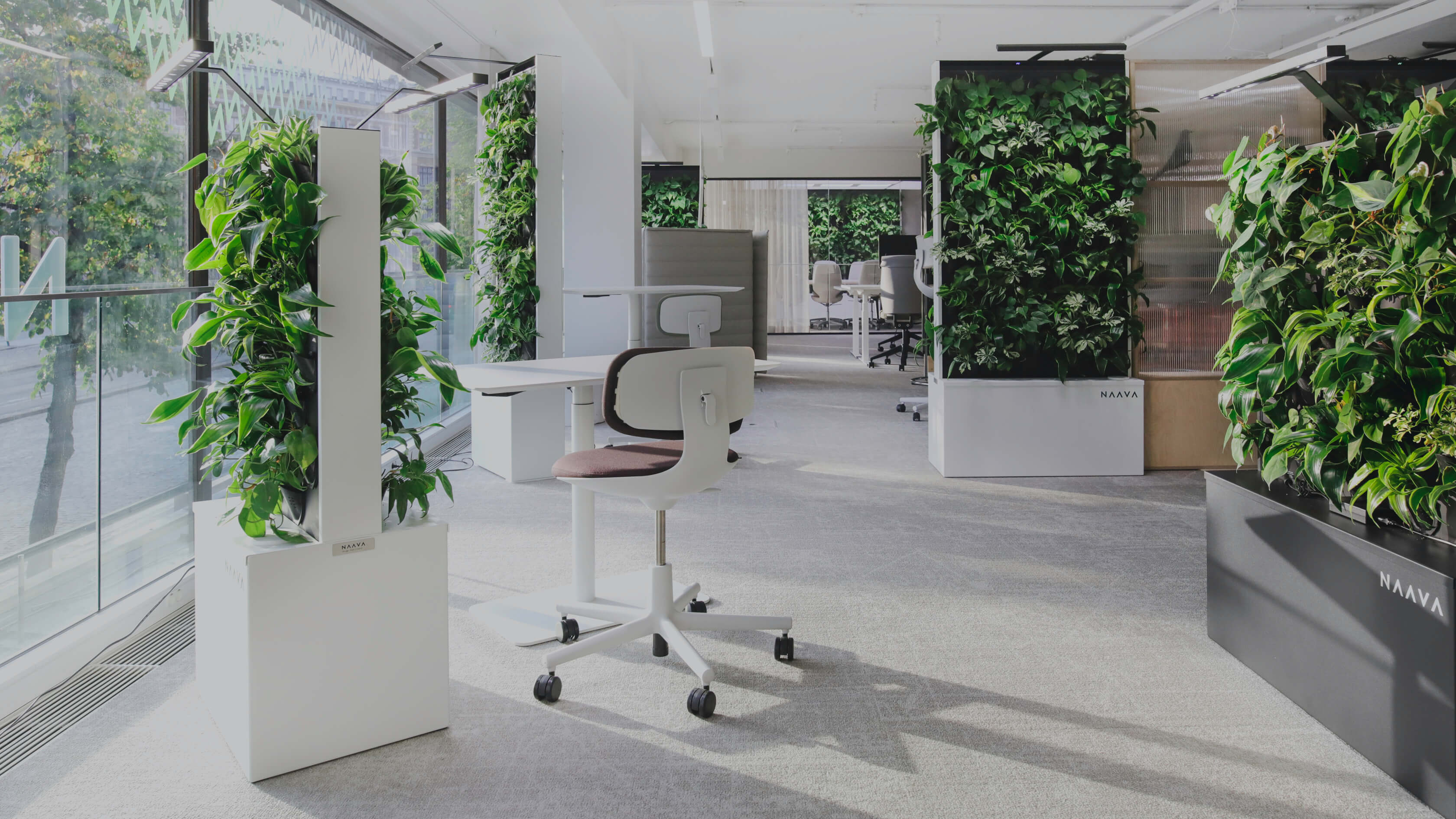
Picture this: You arrive at work, greeted not by the sterile glow of artificial lighting but by a sunrise filtering through a living wall of ferns and orchids. Your desk isn’t a cold slab of metal but a reclaimed oak surface, its grain whispering tales of forests past. The air is crisp, filtered through botanical purifiers that mimic the cleansing breath of a forest canopy. This isn’t a scene from a sci-fi film—it’s the biophilic office of 2026, where every sensory detail is curated to awaken the primal connection between humans and nature. The result? A workforce that isn’t just present but *alive*—more focused, more inspired, and more resilient than ever before.
The Science of Serenity: Why Nature Belongs in the Office
For decades, offices have been designed with one metric in mind: efficiency. But efficiency without soul is a hollow victory. Enter biophilic design—a fusion of biology and aesthetics that leverages our innate affinity for nature, a concept rooted in the term “biophilia,” coined by biologist E.O. Wilson in the 1980s. Wilson’s theory posits that humans have an evolutionary bond with nature, a subconscious craving for natural elements that once ensured our survival. Fast-forward to 2026, and this theory has evolved from academic musing to workplace gospel.
Studies now show that biophilic offices can slash stress levels by up to 30%, boost cognitive function by 15%, and even reduce absenteeism by 18%. How? By engaging the senses in ways traditional offices never could. The flicker of a water feature calms the nervous system. The scent of citrus or eucalyptus sharpens focus. The presence of natural light regulates circadian rhythms, banishing the grogginess of artificial illumination. It’s not just about adding a few plants—it’s about engineering an environment that speaks to our DNA.
Consider the “attention restoration theory,” which suggests that our brains, like overworked muscles, need moments of respite to recharge. A biophilic office provides these moments effortlessly. A quick glance at a living wall, a stroll through an indoor forest path, or even the subtle play of light and shadow on a textured stone wall can reset mental fatigue. In 2026, the office isn’t just a place to work—it’s a sanctuary where the mind can wander and the soul can breathe.
Designing the Future: Materials, Light, and the Art of Subtle Integration
The biophilic office of 2026 isn’t a jungle masquerading as a workspace—it’s a masterclass in restraint and intentionality. Every material, every hue, every texture is chosen with purpose. Gone are the days of plastic laminates and cold steel. Instead, offices feature reclaimed wood, cork, and bamboo, materials that age gracefully and emit a subtle, earthy aroma. Walls are adorned with textured stone or clay plaster, their irregular surfaces mimicking the uneven beauty of a riverbed or a mountain cliff.
Light is another cornerstone. Natural light isn’t just allowed in—it’s choreographed. Large, floor-to-ceiling windows are oriented to capture the sun’s arc, while dynamic lighting systems adjust throughout the day to mimic the changing hues of dawn, noon, and dusk. Even artificial lighting is designed to replicate the full spectrum of sunlight, eliminating the harsh glare that plagues traditional offices. The result? A workspace that feels alive, not just functional.
But biophilic design isn’t just about what you see—it’s about what you *feel*. The hum of a small indoor waterfall, the tactile pleasure of a moss-covered wall, the way a breeze from an open window carries the scent of rain—these are the details that transform a room into an experience. In 2026, offices will incorporate “sensory pathways,” curated routes that guide employees through spaces designed to stimulate sight, sound, touch, and even smell. A walk to the coffee machine might take you past a vertical garden, its leaves releasing a burst of fresh basil or lavender with every brush of your sleeve.
Even the furniture is reimagined. Desks with built-in planters, chairs upholstered in organic fabrics, and meeting tables crafted from sustainably sourced timber aren’t just aesthetic choices—they’re declarations of intent. They say: *We value your well-being. We respect the planet. We believe work should nourish, not deplete.*
The Psychological Payoff: Creativity, Collaboration, and the Human Connection
In a world where remote work has blurred the lines between home and office, the biophilic workplace becomes a sanctuary of focus and connection. Studies show that employees in biophilic environments are 15% more creative and 20% more likely to collaborate effectively. Why? Because nature doesn’t just soothe—it inspires. The fractal patterns of a fern leaf, the spiral of a seashell, the branching veins of a leaf—these are the visual languages of innovation, subconsciously guiding our brains toward creative solutions.
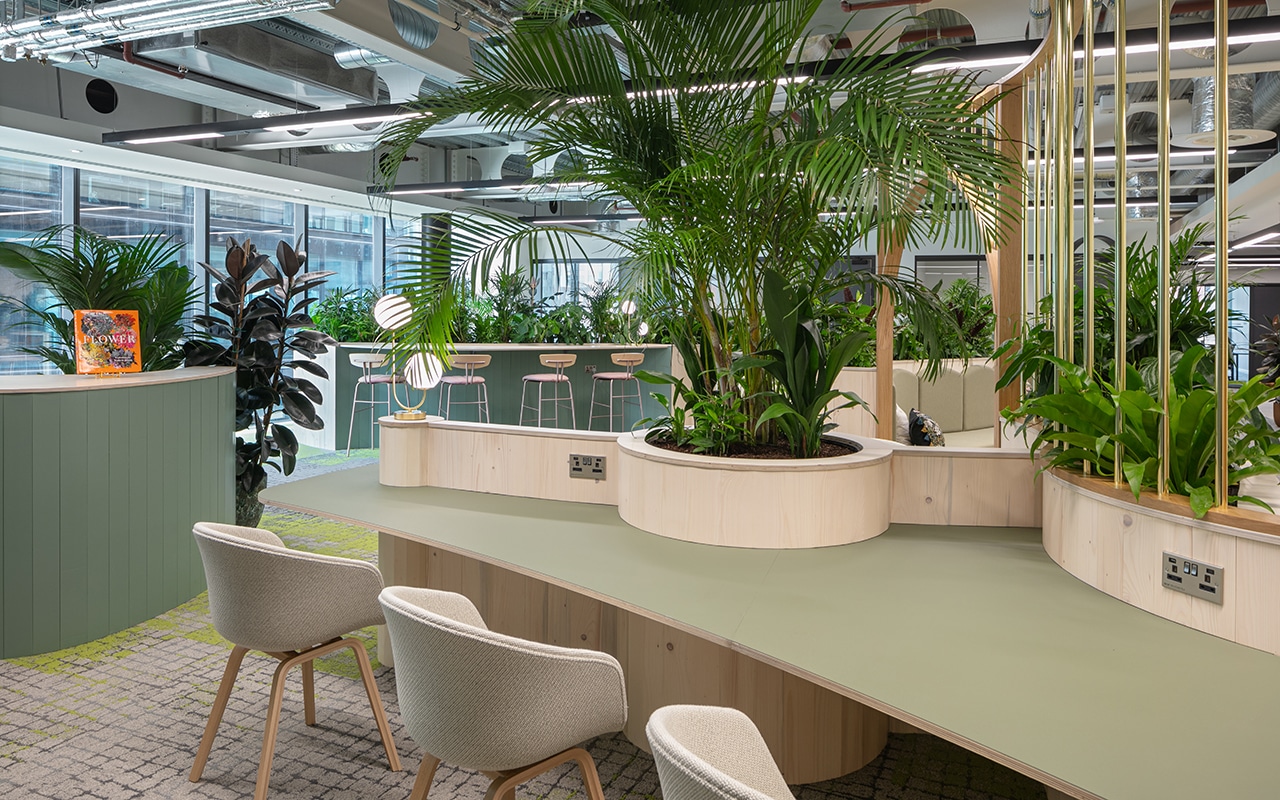
Consider the “third space” phenomenon, where offices become hubs of serendipitous interaction. In a biophilic setting, these spaces aren’t sterile atriums but lush, inviting retreats. A cozy nook with a view of a rooftop garden becomes the perfect spot for a brainstorming session. A communal table surrounded by potted plants fosters organic conversations that spark ideas. Even the act of walking through a space designed to mimic a forest trail can unlock creative thinking, as the brain shifts from analytical to associative modes.
There’s also the matter of mental health. In 2026, the stigma around workplace stress has faded, replaced by a proactive approach to well-being. Biophilic offices incorporate “quiet rooms” with soundproofed walls lined with cork or wool, where employees can meditate or simply sit in silence, bathed in the soft glow of circadian lighting. These spaces aren’t luxuries—they’re necessities, designed to prevent burnout before it starts.
Sustainability Meets Style: The Eco-Conscious Office
Biophilic design isn’t just good for employees—it’s good for the planet. In 2026, offices are no longer energy drains but ecosystems that give back. Living walls act as natural air purifiers, filtering out toxins and releasing oxygen. Rainwater harvesting systems irrigate indoor gardens, while solar panels integrated into green roofs power the entire building. Even the furniture is circular—designed to be disassembled, repurposed, or composted at the end of its life.
But sustainability in the biophilic office goes beyond the physical. It’s a philosophy. Employees are encouraged to participate in “green rituals,” like tending to office plants or harvesting herbs for communal meals. These small acts foster a sense of stewardship, reminding everyone that their workplace is part of something larger—a living system that thrives on balance.
Companies that embrace biophilic design aren’t just following a trend; they’re leading a movement. They’re signaling to employees, clients, and competitors alike that they prioritize health, creativity, and environmental responsibility. In 2026, the most coveted workplaces won’t be the ones with the flashiest tech or the most amenities—they’ll be the ones that feel like a breath of fresh air.
The Future is Alive: What’s Next for Biophilic Offices?
The evolution of biophilic design is far from over. In the coming years, we’ll see offices that don’t just mimic nature but *collaborate* with it. Imagine walls embedded with mycelium networks that self-repair cracks or desks grown from lab-cultured wood. Picture AI-driven systems that adjust the office’s “biophilic score” in real-time, ensuring optimal sensory engagement throughout the day. The line between indoors and outdoors will blur further, with rooftop farms and indoor forests becoming standard features.
But the most exciting frontier may be the psychological one. As neuroscience advances, we’ll gain deeper insights into how biophilic design affects the brain. Will offices of the future include “neuro-restorative” zones, where employees can undergo brainwave-optimizing light therapy? Could virtual reality be used to transport workers to a serene forest during high-stress moments? The possibilities are as boundless as nature itself.
One thing is certain: The biophilic office of 2026 isn’t a fleeting experiment—it’s the new normal. It’s a testament to the fact that productivity and well-being aren’t opposing forces but twin pillars of a thriving workplace. It’s a reminder that we’re not machines to be optimized but humans to be nurtured. And as we step into this greener, more vibrant future, one question lingers: Why would we ever go back?
In the end, the biophilic office isn’t just a design choice—it’s a revolution. A revolution in how we work, how we live, and how we connect with the world around us. And as the walls of our workplaces grow leaves and the air fills with the scent of earth and blossoms, we’ll finally understand what it means to truly belong—not just to a company, but to the living, breathing planet we call home.


Leave a Comment