

Have you ever paused to consider how a tiny glass jar could become a portal to an entire ecosystem? A miniature world where mosses whisper secrets to ferns and sunlight performs a daily ballet across emerald leaves? Welcome to the enchanting realm of the biophilic terrarium—a living sculpture that doesn’t just decorate your space but transforms it into a sanctuary of calm and connection. As we hurtle toward 2026, this unassuming vessel of greenery is emerging not just as a trend, but as a cultural imperative. It’s time to ask: what if the key to a more balanced life lies not in grand gestures, but in the delicate art of nurturing a tiny forest?
Imagine walking into a room suffused with the quiet hum of life. The air feels fresher. Your shoulders relax. Your mind, usually a whirlwind of notifications and deadlines, slows to the rhythm of droplets condensing on glass. This isn’t some futuristic air purifier or a wellness app—it’s a terrarium. A self-sustaining microcosm that thrives on neglect as much as care. In an era where burnout is epidemic and digital fatigue is real, the terrarium offers something radical: a return to the tactile, the slow, the alive. It’s biophilia distilled into a palm-sized ecosystem.
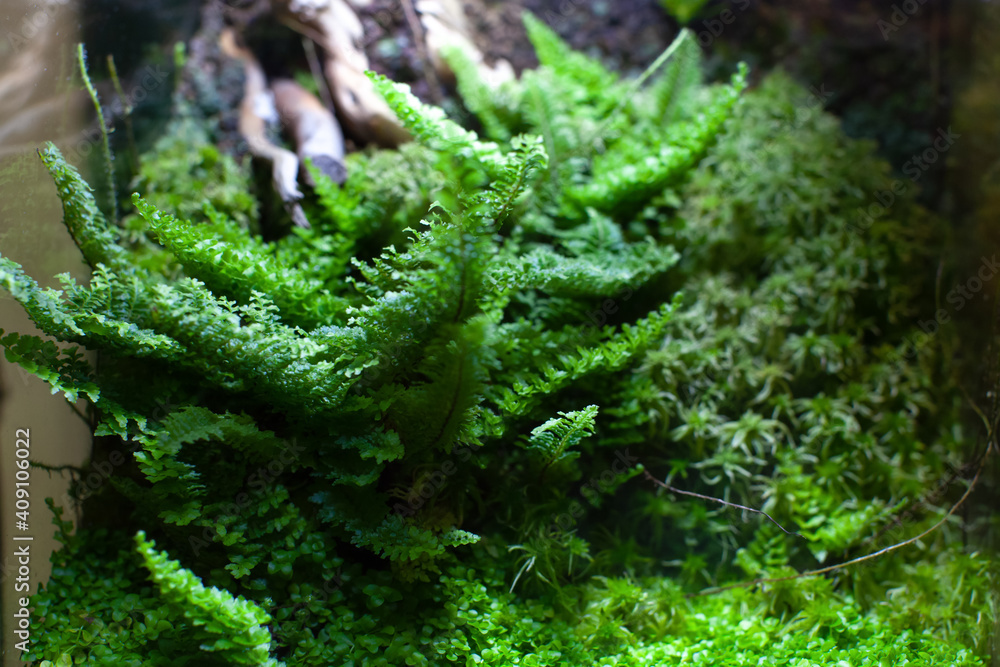
The Terrarium Renaissance: Why 2026 Belongs to the Tiny Jungle
As urban living becomes denser and screens dominate our senses, the human craving for nature intensifies. Enter biophilic design—the philosophy of integrating natural elements into our built environment. While grand living walls and rooftop gardens steal the spotlight, the humble terrarium quietly revolutionizes how we experience greenery. It’s portable, affordable, and democratizes access to nature. You don’t need a backyard or a green thumb to cultivate life—just a clear vessel, a bit of patience, and a willingness to embrace imperfection.
By 2026, terrariums will evolve from mere decor to essential lifestyle tools. They’ll be the antidote to screen fatigue, the centerpiece of mindfulness rituals, and even a conversation starter in minimalist homes. Designers and wellness experts predict that these miniature ecosystems will become as common as houseplants—perhaps even more so, given their resilience and low maintenance. The terrarium isn’t just a trend; it’s a quiet rebellion against the disposable culture of fast decor.
But here’s the twist: not all terrariums are created equal. The challenge isn’t in finding one—it’s in creating one that truly breathes. Many fail not due to lack of effort, but due to a fundamental misunderstanding of their ecosystem’s needs. Closed terrariums, for instance, are self-sustaining marvels, but they demand precise humidity and light. Open terrariums thrive on airflow but require more frequent watering. Misjudge the balance, and your tiny jungle could wither into a sad pile of compost. The stakes are small, but the lesson is profound: life, even in miniature, demands respect.
Designing a Living Masterpiece: The Art and Science of Terrarium Crafting
Creating a terrarium is less about gardening and more about curating an atmosphere. It begins with the vessel—a glass orb, a geometric cube, or even a repurposed apothecary jar. The shape dictates the ecosystem’s personality. Tall and narrow vessels encourage vertical drama, perfect for trailing plants like string of pearls or maidenhair ferns. Wide, shallow bowls lend themselves to sprawling moss carpets and miniature succulents. Each container is a blank canvas awaiting the artist’s touch.

The foundation is everything. A layer of pebbles ensures drainage, preventing root rot in this waterlogged micro-world. Activated charcoal, tucked beneath the soil, acts as a silent guardian, filtering impurities and keeping the ecosystem fresh. Soil tailored to your plants—peat-based for moisture lovers, sandy for succulents—sets the stage for growth. Then comes the flora: mosses, which thrive in humidity and spread like a velvety carpet; ferns, with their delicate fronds that unfurl like secrets; and air plants, which cling to life with minimal soil, defying gravity and convention.
But the magic lies in the arrangement. Layering isn’t just aesthetic—it’s ecological. Tall plants at the back create depth. Trailing varieties cascade over edges like waterfalls. Low-growing succulents form a foreground that draws the eye. Each plant is chosen not just for looks, but for its role in the micro-ecosystem. A closed terrarium becomes a self-regulating biosphere, where condensation cycles through evaporation and precipitation, mimicking the water cycle of a rainforest. It’s a tiny, thriving world in perpetual balance—if you let it.
The Wellness Alchemy: How a Tiny Terrarium Transforms Your Mind and Space
Science confirms what our instincts have always known: nature heals. Studies show that exposure to greenery reduces cortisol levels, lowers blood pressure, and enhances cognitive function. But a terrarium does something even more profound—it brings nature indoors in a way that’s intimate, interactive, and ever-present. Unlike a potted plant that sits on a shelf, a terrarium invites participation. You water it. You prune it. You watch it grow. Each interaction is a moment of mindfulness in a world that moves too fast.
In 2026, as mental health becomes a cornerstone of wellness culture, the terrarium will be celebrated not just as decor, but as a therapeutic tool. Therapists may prescribe “terrarium therapy” for anxiety, encouraging patients to nurture life as a metaphor for self-care. Offices will install terrarium stations as part of biophilic workplace design, boosting employee morale and productivity. Even schools will adopt them as educational tools, teaching children about ecosystems, sustainability, and the delicate balance of life.
And let’s not forget the sensory experience. The scent of damp earth after watering. The cool touch of glass against your palm. The soft crunch of moss under fingertips. A terrarium is a multisensory experience that engages sight, touch, and even sound—the faint rustle of leaves in a breeze. It’s a tactile antidote to the sterile, digital world we inhabit.
The Sustainability Paradox: Can a Tiny Ecosystem Save the Planet?
Here’s the uncomfortable truth: even the most beautiful terrarium is a product of consumption. Glass vessels are mined. Soil is harvested. Plants are cultivated and transported. In an age of environmental reckoning, can something so small make a difference? The answer lies not in absolutes, but in intention. A well-made terrarium can last decades, far outliving a bouquet of cut flowers or a disposable plastic ornament. It reduces the need for frequent replacements, cutting down on waste. And when sourced responsibly—using locally grown moss, repurposed containers, and native plants—it becomes a sustainable choice.
Moreover, terrariums foster a deeper connection to nature. When you nurture a living thing, you become more invested in the health of the planet. You’re more likely to care about deforestation when you’ve spent hours arranging a fern’s delicate fronds. You’re more likely to reduce plastic when you’ve seen how even a drop of water can sustain life. The terrarium isn’t a solution to climate change—but it’s a seed of awareness, a daily reminder that life is fragile, interconnected, and worth protecting.
Yet, the challenge remains: how do we scale this ethos beyond individual homes? How do we make terrariums accessible to those without time, space, or resources? The answer may lie in community initiatives—shared terrarium workshops in urban centers, where people learn to build and maintain ecosystems together. Or in modular terrarium kits, designed for renters and students, that can be easily assembled and disassembled. The future of biophilic design isn’t just about beauty—it’s about equity, access, and collective care.
As the clock ticks toward 2026, the terrarium stands not just as a decorative object, but as a symbol of a quieter revolution. It asks us to slow down. To observe. To nurture. To find wonder in the small. In a world hurtling toward automation and artificial intelligence, it reminds us that life’s most profound lessons are still written in the language of soil, sunlight, and growth. So go ahead—pick up a jar, gather some moss, and begin. Your miniature jungle awaits, and with it, a chance to rediscover the magic of the living world, one tiny leaf at a time.


Leave a Comment