

In the quiet rustle of leaves and the whisper of wind through branches, there lies an untapped wellspring of creativity—one that doesn’t demand a trip to the art supply store, but instead invites you to step outside and engage with the world in a more intimate, sustainable way. Foraging for art materials isn’t just about gathering; it’s about reconnecting with the earth, understanding its rhythms, and transforming the ordinary into the extraordinary. Whether you’re a seasoned artist or a curious beginner, the practice of responsible foraging can unlock a treasure trove of textures, colors, and forms that no store-bought palette can replicate. But before you venture into the wild with your basket in hand, it’s essential to approach this art form with respect, knowledge, and a deep sense of stewardship. Here’s how to forage responsibly for art materials, ensuring that your creative process leaves the smallest possible footprint on the natural world.
The Ethical Forager’s Mindset: More Than Just Gathering
Responsible foraging begins long before you set foot in the woods or meadow. It starts with a shift in perspective—one that views the natural world not as a limitless resource, but as a delicate ecosystem where every leaf, twig, or stone plays a vital role. Before you pluck a single item, ask yourself: Is this material abundant enough that my harvest won’t disrupt the environment? Am I taking only what I need, leaving enough for wildlife and other foragers? And perhaps most importantly, am I harvesting in a way that allows the plant or material to regenerate? The ethical forager doesn’t just take; they give back, whether through replanting seeds, leaving root systems intact, or simply admiring a specimen without disturbing it. This mindset transforms foraging from a mere act of collection into a practice of reciprocity, where art and ecology intertwine.
Botanical Treasures: Leaves, Flowers, and Fibers
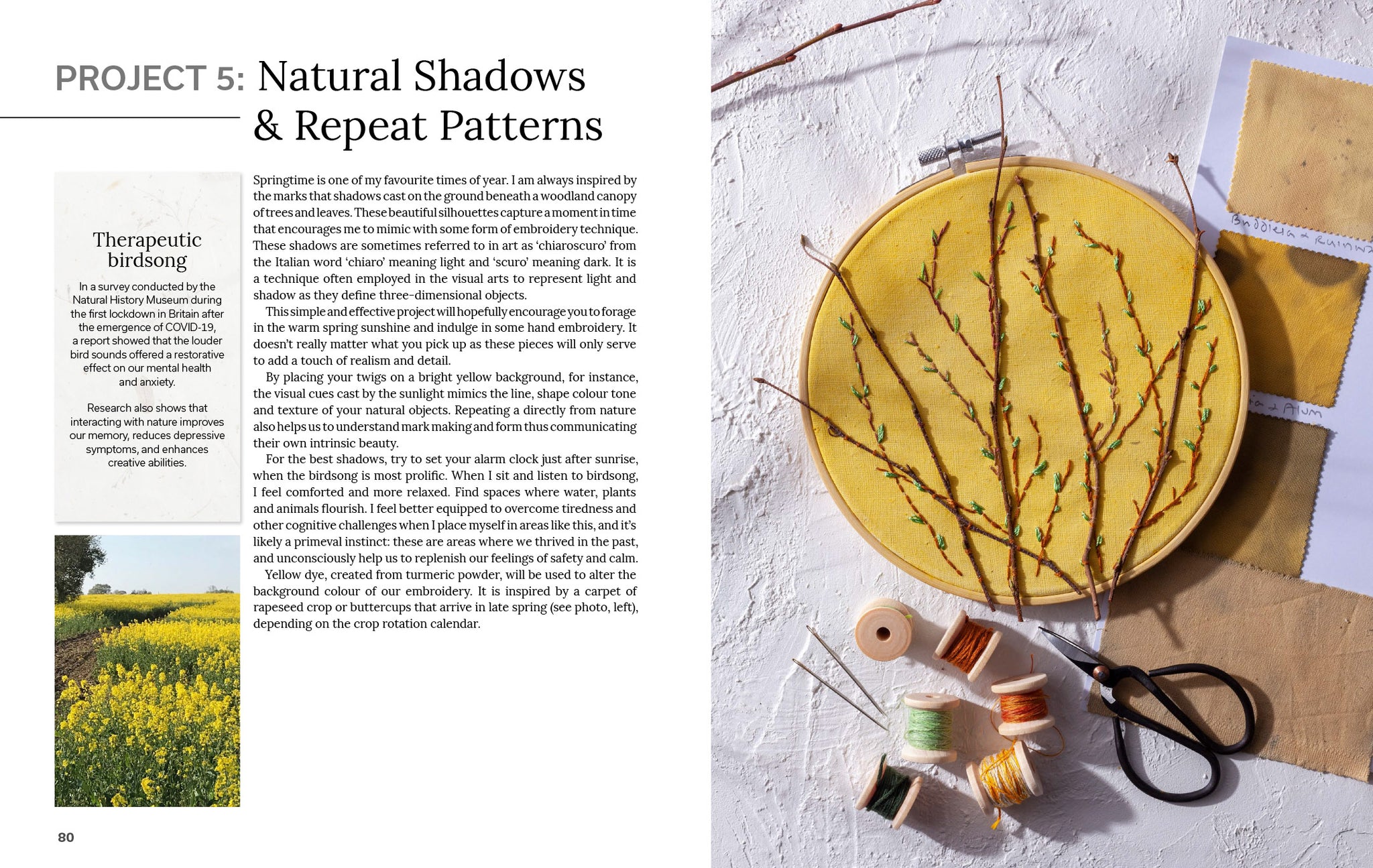
The plant kingdom is a veritable goldmine for artists, offering an array of hues, textures, and structural integrity that can be harnessed in everything from pressed botanical art to handmade paper. Leaves, for instance, come in a staggering variety of shapes, sizes, and colors—from the delicate filigree of ferns to the bold, waxy surfaces of magnolia leaves. When foraging leaves, opt for those that have naturally fallen to the ground or are growing in abundance. Avoid stripping branches bare, as this can harm the plant’s ability to photosynthesize and thrive. Flowers, too, are a fleeting but magnificent resource. Pressed petals can be used to create intricate collages, while fresh blooms can be dipped in beeswax to preserve their color and form. Fibers like flax, nettle, or even dandelion stems can be retted (soaked to separate the fibers) and spun into thread, offering a sustainable alternative to commercially produced textiles. Remember, the key is to harvest in moderation and to prioritize species that are not endangered or protected.
Earth’s Palette: Pigments from the Soil
Long before synthetic dyes dominated the art world, humans turned to the earth itself for color. Clay, ochre, charcoal, and even certain types of soil can yield rich, earthy pigments that add depth and authenticity to your work. To create natural paints, start by grinding dry pigments into a fine powder using a mortar and pestle. For watercolor-like washes, mix the powder with a binder like gum arabic or egg yolk. Clay, in particular, is a versatile medium—its plasticity makes it ideal for sculptural work, while its natural hues range from creamy whites to deep umbers. When foraging for pigments, be mindful of the terrain. Digging for clay or ochre can disrupt the soil structure, so take only what you need and refill the hole afterward. Avoid areas where erosion is a concern, and never harvest from protected lands. The colors you extract from the earth are not just pigments; they’re stories of place, time, and geological history.
Foraging for Textiles: Fibers, Feathers, and Fur
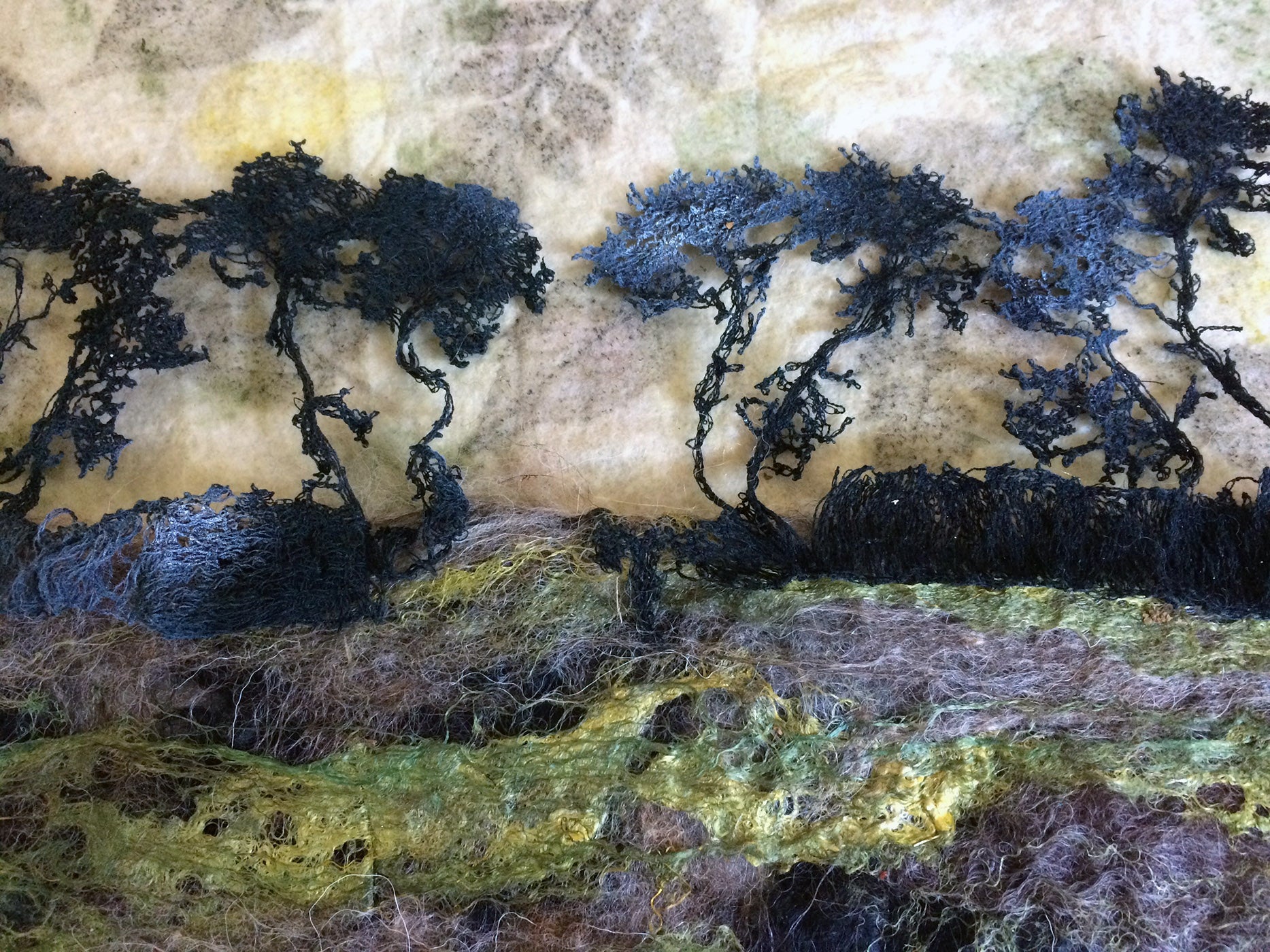
The world of natural fibers extends far beyond cotton and linen. For the textile artist, foraging can uncover a wealth of materials that tell a story of their own. Feathers, for instance, are a byproduct of molting season and can often be found on the ground in wooded areas. They can be used to create delicate embellishments, quillwork, or even as brushes for painting. Fur and hair, too, can be sourced ethically—shed naturally by animals or collected from barbershops and groomers (with permission). Even moss, when dried and processed, can be transformed into a soft, velvety textile. When working with animal-derived materials, always prioritize those that are naturally shed or discarded. Avoid harvesting from live animals or protected species, and never take more than a small sample to ensure the animal’s well-being isn’t compromised. The textures you bring into your work will carry the essence of the wild, making each piece a testament to the interconnectedness of all living things.
Seasonal Foraging: Aligning with Nature’s Cycles
Foraging is not a year-round free-for-all; it’s a practice that ebbs and flows with the seasons. Spring brings tender shoots and blossoms, summer offers lush greens and berries, autumn yields nuts and seeds, and winter provides a quieter harvest of evergreen boughs and dried seed heads. Each season presents unique opportunities, but it also demands adaptability. In spring, for example, you might gather young dandelion leaves for chlorophyll-based dyes or lamb’s quarters for edible greens in your botanical prints. Summer is ideal for harvesting flowers like elderflowers or yarrow for natural pigments or perfumed papers. Autumn is the time for acorns, walnuts, and fallen leaves, which can be used to create rich browns and golds in your work. Winter foraging might focus on evergreens like pine or cedar, whose needles and bark can be used for fragrant dyes or textured collages. By aligning your foraging with the seasons, you not only ensure a steady supply of materials but also deepen your connection to the natural world’s rhythms.
Tools of the Trade: Minimalist and Sustainable
The right tools can make foraging more efficient and less harmful to the environment. Opt for reusable containers like woven baskets, cloth bags, or even repurposed jars to collect your finds. Metal trowels or small pruners can help you gather materials without damaging the plant, while a magnifying glass can reveal the intricate details of tiny seeds or insects that might inspire your art. For pigments, a sturdy mortar and pestle is indispensable, while a sieve can help separate fine powders from larger debris. When foraging near water, use a mesh bag to collect driftwood or stones, allowing water to flow through and preventing the buildup of silt. Avoid single-use plastics or disposable items, and always clean your tools thoroughly to prevent the spread of invasive species or diseases between ecosystems. The tools you choose should reflect your commitment to sustainability—not just in the materials you use, but in the methods you employ.
Preservation and Preparation: Extending the Life of Your Finds
Foraged materials are fleeting; leaves wilt, flowers fade, and pigments oxidize. To preserve their beauty and utility, you’ll need to employ a variety of techniques. Pressing is one of the simplest ways to preserve leaves and flowers, flattening them between heavy books or a dedicated plant press. For more delicate specimens, glycerin can be used to preserve their suppleness, while silica gel is ideal for drying flowers quickly without losing their color. Pigments can be stored in airtight containers away from light to prevent fading, while fibers like flax or nettle should be retted and dried thoroughly to prevent mold. When working with organic materials, always test preservation methods on a small sample first to ensure the material retains its integrity. The goal is to capture the essence of the natural world in a form that can be enjoyed for years to come, without relying on synthetic preservatives or harmful chemicals.
Legal and Cultural Considerations: Foraging with Respect
Before you set out to forage, it’s crucial to understand the legal and cultural landscape of the land you’re on. Many public lands have restrictions on foraging, especially in national parks or protected areas where even a single leaf can be off-limits. Always check local regulations and obtain any necessary permits before harvesting. Additionally, some plants are culturally significant or endangered, and harvesting them can be seen as disrespectful or even illegal. Indigenous communities, for example, may have deep ties to certain plants, and foraging without permission or knowledge of these traditions can be harmful. When in doubt, consult local foraging guides, botanical societies, or indigenous elders to learn about the history and significance of the plants in your area. Responsible foraging isn’t just about sustainability; it’s about honoring the land and its stewards.
From Forage to Finished Piece: Inspiration and Techniques
The journey from foraged material to finished artwork is where the magic happens. Botanical prints can be created by arranging leaves and flowers on paper or fabric, then transferring their shapes and colors using techniques like cyanotype or eco-printing. Natural pigments can be used to dye fabrics, create watercolor paints, or even make ink for calligraphy. Fibers can be spun into thread, woven into tapestries, or felted into sculptural forms. The possibilities are limited only by your imagination. To get started, experiment with small projects that allow you to test different materials and techniques. Try making a simple leaf print by placing a leaf on paper, covering it with a thin layer of beeswax, and pressing it with a warm iron. Or create a natural dye bath using onion skins or avocado pits to color a skein of wool. Each piece you create will carry the imprint of the landscape, making your art a living dialogue with the natural world.
Foraging for art materials is more than a creative pursuit; it’s a practice of mindfulness, respect, and connection. By approaching the earth with gratitude and care, you not only enrich your artwork but also contribute to the health of the ecosystems that inspire it. Whether you’re painting with pigments from the soil, weaving fibers from the land, or pressing leaves into timeless compositions, each piece you create becomes a testament to the beauty and resilience of the natural world. So step outside, observe the intricate details of the landscape, and let the earth guide your creativity. The materials are there—waiting to be discovered by those who are willing to listen.


Leave a Comment