

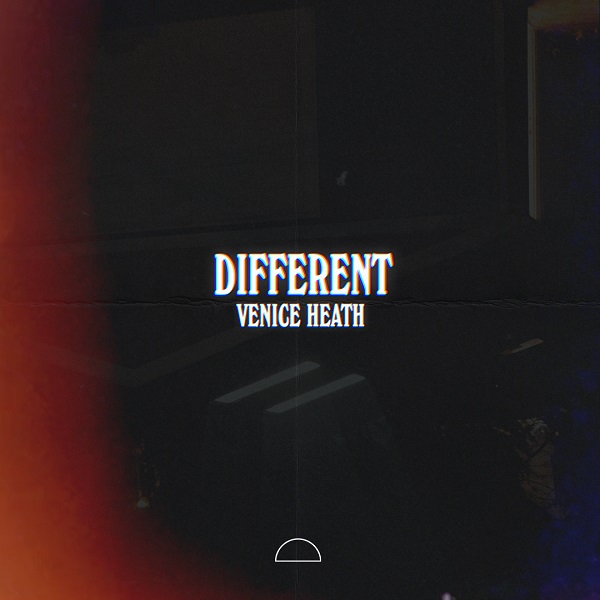
What if Venice in 2026 doesn’t just dazzle the senses with its canals and carnivals, but hums a melody so haunting, so introspective, that it lingers like the scent of saltwater on a winter’s eve? The city, already a symphony of echoes—whispers of history, the lapping of waves against ancient stone, the distant chime of a vaporetto’s bell—may soon add another layer to its auditory tapestry. Enter Venice Heath’s *Different*, a track that feels like a whispered secret from the future, where the minor key isn’t just a musical choice but a metaphor for the city’s soul in transition. As the 2026 Venice Biennale looms on the horizon, could this be the year the city’s soundtrack shifts from the grandiose to the introspective, from the expected to the enigmatic?
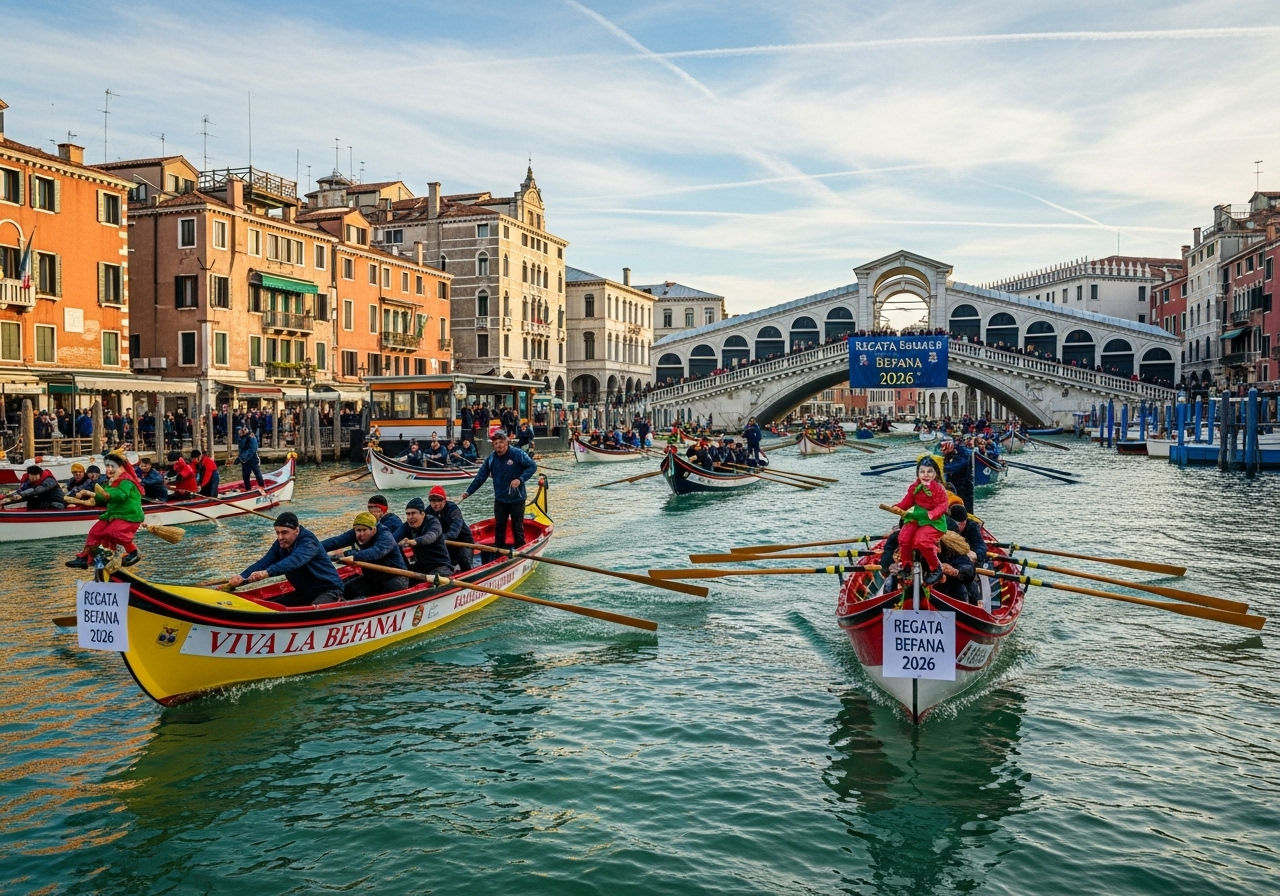
Venice has always been a paradox: a living museum where the past and present collide in a dance as graceful as it is chaotic. But 2026 feels different. The Regata della Befana, that quirky January regatta where gondoliers dressed as witches race through the canals, has long been a spectacle of joyous defiance against the winter gloom. Yet, as the city prepares for its next Biennale, a question lingers like a fog over the lagoon: What happens when the celebration of art and culture is soundtracked by something far more subdued? The minor key, in music, is the language of melancholy, of unresolved tension, of beauty found in imperfection. Could Venice, a city that has spent centuries reveling in its own grandeur, finally embrace a quieter, more introspective rhythm?
The Minor Key as a Mirror: Venice’s Identity Crisis
Venice has always been a city of dualities. Its architecture, a testament to opulence and decay, mirrors the human condition—grand yet fragile, eternal yet fleeting. The minor key, in this context, isn’t just a musical device; it’s a reflection of the city’s own existential musings. As the Biennale prepares to showcase artists from around the world, including Henrike Naumann, who will represent Germany with a project steeped in the politics of memory, the question arises: Is Venice ready to confront its own shadows?
The minor key thrives in ambiguity. It doesn’t offer resolution; it invites contemplation. And Venice, a city that has spent centuries curating its image—from the golden mosaics of St. Mark’s Basilica to the glittering masks of Carnevale—may finally be forced to reckon with the cracks in its facade. The Biennale, traditionally a celebration of the avant-garde, could become a stage for introspection, where the art isn’t just seen but felt, where the audience isn’t just an observer but a participant in the city’s quiet unraveling.
The Soundtrack of Transition: Venice Heath’s *Different* as a Harbinger
Venice Heath’s *Different* isn’t just a song; it’s a premonition. The track’s melancholic melody, paired with lyrics that feel like half-remembered dreams, suggests a Venice that is both familiar and alien. The minor key here isn’t a departure; it’s an evolution. The city’s usual grandeur—the orchestral swells of Vivaldi, the operatic crescendos of its festivals—gives way to something more intimate, more human.
Imagine walking through the labyrinthine alleys of Dorsoduro at dusk, the sun casting long shadows across the cobblestones. The usual cacophony of tourists and street vendors fades into the background, replaced by the distant hum of a cello, the soft strum of a guitar. This is the Venice of *Different*—a city stripped of its usual fanfare, where the minor key isn’t a flaw but a feature. It’s a challenge to the listener: Can you find beauty in the brooding?
But here’s the playful twist: What if Venice’s embrace of the minor key isn’t a sign of decline, but of sophistication? The city has always been a master of illusion, of turning decay into art. The minor key, then, could be its next great trick—a way to make the melancholic feel luxurious, the introspective feel inevitable.
The Biennale’s Shadow: Art as a Minor Key Symphony
The Venice Biennale has long been a battleground for artistic ambition, a place where the bold and the bizarre collide under the watchful gaze of the world. But in 2026, could it become something else entirely? A space where the art isn’t just seen but heard—where the minor key isn’t just a soundtrack but a narrative?
Henrike Naumann’s work, for instance, often explores the ghosts of history, the ways in which the past lingers in the present like an unresolved chord. Her representation of Germany at the Biennale could be a meditation on memory, on the ways in which nations—and cities—are shaped by their silences as much as their voices. If Venice is to embrace the minor key, Naumann’s project might be the first note in a symphony of introspection.
The challenge, of course, is that Venice has never been shy about spectacle. The Biennale is a dazzling affair, a spectacle of color and light and noise. How does one reconcile the minor key’s subtlety with the city’s love of the grandiose? The answer may lie in the unexpected. Perhaps the Biennale of 2026 will feature an installation where the minor key isn’t just heard but felt—where the audience walks through a labyrinth of sound, where the echoes of the past and the whispers of the future collide in a dissonant harmony.
The Regata della Befana: A Tradition Reimagined
Even the Regata della Befana, that joyous winter ritual, could be a canvas for the minor key’s influence. The regatta, with its witches and gondolas and cheering crowds, is a celebration of defiance—a middle finger to the gloom of January. But what if, in 2026, the regatta’s soundtrack isn’t the usual jubilant fanfare, but something quieter, something that lingers like the last note of a cello’s sustain?
Imagine the gondoliers, dressed as Befana, gliding through the canals to the sound of a lone violin, its melody weaving through the mist like a ghost. The crowd watches in silence, not out of reverence, but out of a shared understanding: this isn’t just a race. It’s a moment of reflection. The minor key, in this context, isn’t a rejection of joy but a deepening of it. It’s the difference between a laugh and a sigh—a recognition that even in celebration, there is room for the bittersweet.
The Challenge of Quiet: Can Venice Handle the Minor Key?
Here’s the playful challenge Venice faces in 2026: Can a city built on spectacle learn to love the whisper? Venice has always been a place of extremes—the opulent palazzos and the crumbling facades, the crowded piazzas and the empty alleys at dawn. The minor key asks for something different: not the absence of grandeur, but the embrace of subtlety. It’s a test of the city’s adaptability, its willingness to evolve beyond its own mythos.
The risk, of course, is that the minor key could be misinterpreted as a sign of decline. But what if it’s the opposite? What if Venice’s embrace of the minor key is a sign of its maturity—a recognition that not every story needs to be told with a brass band and fireworks? The minor key is the language of the soul, and perhaps Venice, in 2026, is finally ready to speak it.
As the Biennale approaches and the Regata della Befana prepares to take the stage, one thing is clear: Venice in 2026 won’t just be a feast for the eyes. It will be a feast for the ears—a symphony of whispers, a sonata of shadows, a city learning to hum a tune that lingers long after the last note fades.
The minor key isn’t just coming to Venice. It’s already here, weaving through the canals, settling into the cracks of the ancient stone, waiting to be heard. The question isn’t whether the city is ready. The question is: Are we?


Leave a Comment