

In an era where cultural divides often feel as vast as the deserts of Arabia, a quiet revolution is unfolding on the canvas of global art. Middle Eastern art, once confined to the margins of Western galleries, now stands at the forefront of a transformative dialogue—one that weaves together the threads of tradition and modernity, East and West. This artistic renaissance is not merely a trend; it is a testament to the enduring power of creativity to transcend borders, challenge perceptions, and foster connections that defy geography. As artists from the Middle East and North Africa (MENA) region increasingly command international stages, their work becomes a bridge, not just between cultures, but between the past and the future.
The fascination with Middle Eastern art is no fleeting curiosity. It is rooted in a deeper human longing—to understand, to empathize, and to find common ground in a world often divided by politics and prejudice. What makes this art so compelling is its ability to encapsulate the paradoxes of the region: the clash between ancient traditions and rapid modernization, the tension between individual expression and collective identity, and the fusion of local narratives with global influences. It is this complexity that draws audiences in, inviting them to look beyond stereotypes and engage with stories that resonate universally.
The Allure of the Unfamiliar: Why Middle Eastern Art Captivates the West
For centuries, the West has viewed the Middle East through a lens of exoticism—a place of opulence, mystery, and intrigue, often reduced to clichés of deserts, harems, and ancient ruins. Yet, contemporary Middle Eastern art shatters these reductive narratives, offering instead a kaleidoscope of perspectives that challenge and enrich Western audiences. The allure lies not in the unfamiliar, but in the way these artists reinterpret it, blending the familiar with the foreign to create something entirely new.
Consider the work of artists like Monira Al Qadiri, whose surrealist sculptures and videos explore themes of identity and displacement, or Walid Raad, whose meticulously crafted installations dissect the politics of memory and war. Their art does not merely depict the Middle East; it dissects it, inviting viewers to question their own assumptions while uncovering the layers of history embedded in every brushstroke. This is not art that panders to Western expectations—it is art that demands engagement, provoking thought and sparking conversations that extend far beyond the gallery walls.
The West’s fascination with Middle Eastern art is also a reflection of a broader cultural shift—one where audiences are increasingly seeking authenticity over appropriation. In an age of algorithm-driven content and superficial trends, the depth and nuance of Middle Eastern art offer a refreshing antidote. It is art that refuses to be pigeonholed, whether by geography, genre, or political narrative. Instead, it thrives on ambiguity, leaving room for interpretation and encouraging viewers to bring their own experiences to the table.
The Language of Symbols: Decoding the Visual Lexicon of Middle Eastern Art
At the heart of Middle Eastern art lies a rich visual lexicon, a language of symbols that speaks to both local and global audiences. These symbols—whether the intricate geometric patterns of Islamic art, the calligraphic strokes of Arabic script, or the vibrant hues of traditional textiles—are not merely decorative elements. They are vessels of meaning, carrying centuries of cultural, spiritual, and political significance.
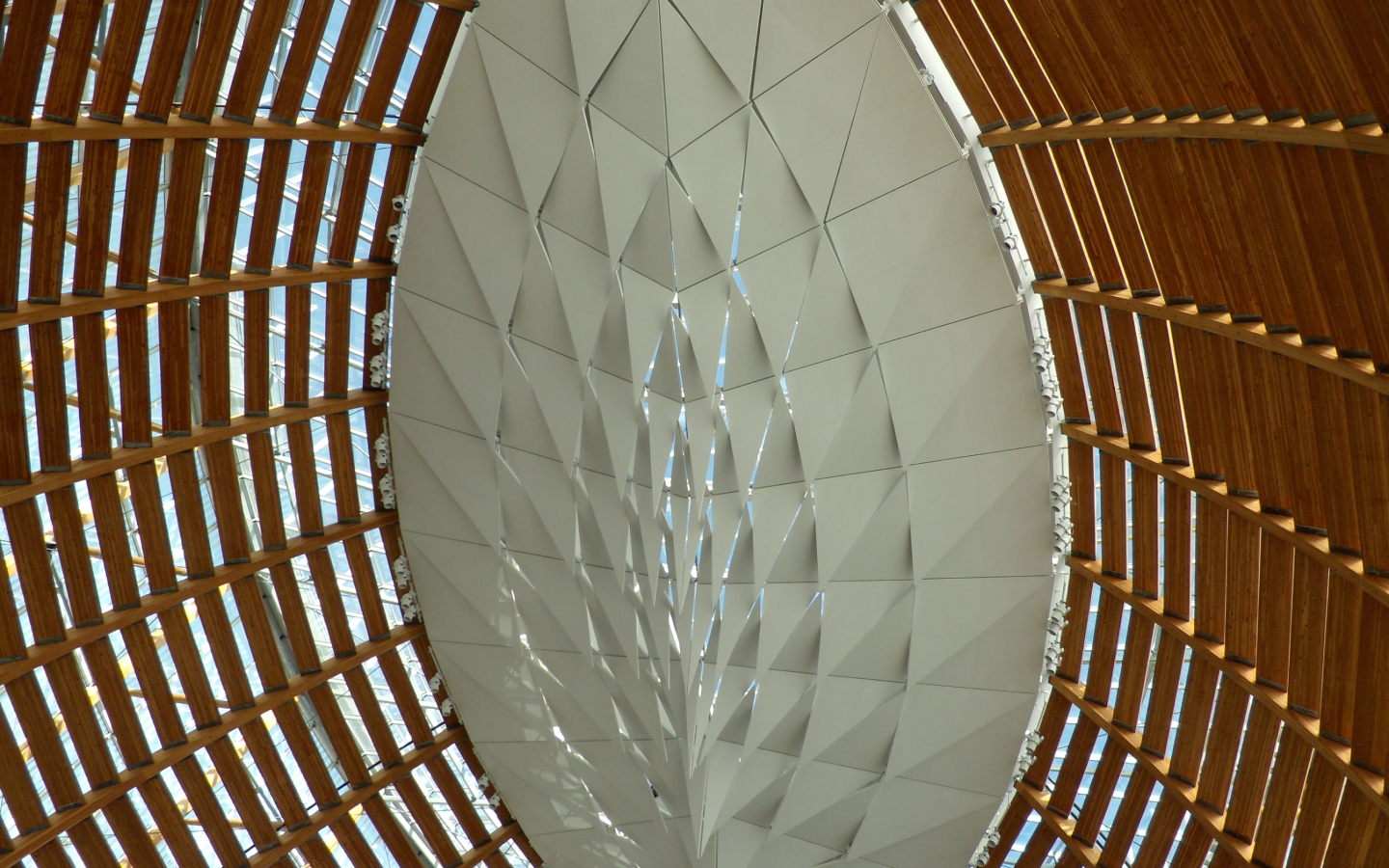
Geometric abstraction, for instance, is a cornerstone of Islamic art, reflecting the infinite nature of the divine and the interconnectedness of all things. Artists like Hassan Massoudy have reimagined these patterns in contemporary contexts, using them to explore themes of migration, displacement, and the search for belonging. Similarly, calligraphy—once reserved for sacred texts—has evolved into a dynamic medium for political and personal expression. Artists such as eL Seed blend Arabic script with urban landscapes, transforming public spaces into canvases that challenge viewers to see beyond the surface.
The use of color in Middle Eastern art is equally symbolic. While Western art often associates certain hues with specific emotions or themes, Middle Eastern artists employ color in ways that are deeply tied to cultural narratives. The vibrant reds and blues of Moroccan tiles, for example, are not just visually striking—they evoke the warmth of hospitality, the resilience of tradition, and the vibrancy of daily life. Meanwhile, the stark contrasts of black and white in works by artists like Ahmed Mater serve as a commentary on the dualities of modernity and tradition, light and shadow.
This visual language is not static; it is a living, breathing entity that evolves with each generation of artists. By engaging with these symbols, audiences are not just observing art—they are participating in a dialogue that spans centuries, cultures, and continents.
From Local to Global: The Rise of Middle Eastern Artists on the World Stage
The global recognition of Middle Eastern art is a relatively recent phenomenon, but its roots stretch back decades. In the 1950s and 60s, artists like Parviz Tanavoli and Marwan Kassab-Bachi began gaining traction in Europe, their work bridging the gap between abstract expressionism and Middle Eastern aesthetics. However, it wasn’t until the late 20th and early 21st centuries that Middle Eastern art truly began to command international attention, thanks in part to the rise of biennales, art fairs, and digital platforms that democratized access to global audiences.
Today, Middle Eastern artists are no longer confined to the periphery of the art world. They are the curators, the collectors, and the voices shaping the conversation. Institutions like the Sharjah Biennial and the Athens Biennale have become vital platforms for showcasing the diversity of the region’s artistic output, while galleries in London, New York, and Dubai have dedicated entire exhibitions to Middle Eastern artists. Even auction houses like Christie’s and Sotheby’s have recognized the market potential, with Middle Eastern art sales reaching record highs in recent years.
This global ascent is not without its challenges. Many artists grapple with the pressure to represent their entire culture in a single body of work, a burden that can stifle creativity. Others face the paradox of being celebrated abroad while struggling to gain recognition at home, where censorship and political constraints often limit artistic freedom. Yet, despite these obstacles, Middle Eastern artists continue to push boundaries, using their platforms to address issues like gender inequality, environmental degradation, and social justice.
The success of Middle Eastern artists on the world stage is also a reflection of a broader cultural awakening. As audiences become more attuned to the nuances of global art, they are increasingly seeking out voices that challenge the status quo. Middle Eastern artists, with their unapologetic exploration of identity and history, are perfectly positioned to meet this demand. Their work is not just art—it is a form of resistance, a celebration, and a bridge all at once.
The Role of Technology: How Digital Platforms Are Redefining Artistic Exchange
In an age where a single Instagram post can go viral overnight, technology has become an indispensable tool for Middle Eastern artists seeking to share their work with the world. Social media platforms like Instagram, TikTok, and Behance have democratized the art world, allowing artists to bypass traditional gatekeepers and connect directly with audiences. This digital revolution has been particularly transformative for artists from regions where physical galleries are scarce or inaccessible.
Take, for example, the work of Mounira Al Solh, whose poignant drawings and videos explore themes of migration and displacement. Through Instagram, Al Solh has been able to share her art with a global audience, sparking conversations about the refugee crisis and the human cost of political borders. Similarly, artists like Tarek Atoui use digital platforms to collaborate with musicians and performers across continents, creating immersive experiences that transcend geographical boundaries.
Technology has also revolutionized the way Middle Eastern art is consumed. Virtual reality (VR) exhibitions, online auctions, and NFTs (non-fungible tokens) have opened up new avenues for engagement, allowing audiences to experience art in ways that were previously unimaginable. The Dubai Future Foundation, for instance, has pioneered the use of VR to showcase contemporary art from the region, offering viewers a chance to step into the artist’s world and explore their work in a three-dimensional space.
Yet, the digital realm is not without its pitfalls. The ephemeral nature of online content means that art can be easily overlooked or forgotten in the endless scroll of social media. Moreover, the commercialization of digital art—particularly in the form of NFTs—has raised ethical questions about ownership, authenticity, and the commodification of creativity. For Middle Eastern artists, navigating this landscape requires a delicate balance between leveraging technology for exposure and maintaining the integrity of their work.
Despite these challenges, the role of technology in amplifying Middle Eastern art cannot be overstated. It has not only expanded the reach of artists but has also fostered a sense of community among creatives across the region. In a world where physical borders are increasingly contested, digital platforms offer a space where art can thrive unencumbered by geography.
The Future of Cultural Exchange: What Lies Ahead for Middle Eastern Art
The trajectory of Middle Eastern art is one of relentless evolution, shaped by the interplay of tradition and innovation, local identity and global influence. As we look to the future, several key trends are poised to redefine the landscape of cultural exchange between East and West.
First, the increasing collaboration between Middle Eastern artists and their Western counterparts is likely to yield groundbreaking work that pushes the boundaries of both traditions. Projects like the Shubbak Festival in London and the Art Dubai Modern fair are already fostering these cross-cultural dialogues, bringing together artists, curators, and collectors from diverse backgrounds. These collaborations are not just about aesthetics; they are about creating a shared language of art that transcends political and cultural divides.
Second, the rise of Middle Eastern collectors and patrons is set to reshape the art market. Historically, Western institutions and collectors have dominated the acquisition and exhibition of Middle Eastern art. However, as wealth accumulates in the Gulf and North Africa, a new generation of collectors is emerging—one that is deeply invested in supporting local artists and preserving cultural heritage. This shift is already evident in the growing number of private museums and foundations dedicated to Middle Eastern art, such as the Louvre Abu Dhabi and the Mathaf: Arab Museum of Modern Art in Doha.
Finally, the role of education in fostering cultural exchange cannot be underestimated. Art schools and residencies across the Middle East are nurturing the next generation of artists, providing them with the tools to navigate both local and global art scenes. Programs like the Sharjah Art Foundation’s residency and the Beirut Art Residency are not just about training artists—they are about building bridges between cultures, fostering dialogue, and challenging preconceived notions.
The future of Middle Eastern art is not just about visibility; it is about influence. As artists from the region continue to shape the global narrative, their work will play a pivotal role in redefining how we perceive the Middle East—not as a monolith, but as a tapestry of diverse voices, each contributing to the rich fabric of human creativity. In this way, Middle Eastern art is not just bridging East and West—it is reimagining the very idea of what art can be.
The journey of Middle Eastern art from the margins to the mainstream is a testament to the power of creativity to transcend boundaries. It is a reminder that art is not just a reflection of culture—it is a catalyst for change, a bridge between worlds, and a beacon of hope in an increasingly divided world. As we move forward, the stories told on canvas, in sculpture, and through digital media will continue to shape our understanding of the Middle East, one brushstroke at a time.


Leave a Comment