

Have you ever walked into a room and felt an inexplicable sense of calm wash over you, as if the space itself were breathing? Or perhaps you’ve stood before a painting so vivid, so alive with nature’s essence, that it seemed to whisper secrets of the forest or murmur tales of the ocean’s depths? If so, you’ve already glimpsed the transformative power of biophilic art—a gift that doesn’t just decorate a home but elevates it, turning four walls into a sanctuary of serenity and inspiration. But what if the perfect present for a new home isn’t something wrapped in shiny paper or tied with a bow, but something that breathes, that grows, that feels? What if the best gift is one that doesn’t just sit on a shelf but invites the outside world in, stitching the wild beauty of nature into the very fabric of daily life?
Imagine gifting a piece of art that doesn’t just hang on the wall but transforms the space around it. A canvas that doesn’t just depict a landscape but becomes a portal to another world. A sculpture that doesn’t just occupy a corner but seems to emerge from the earth itself. This is the magic of biophilic art—a fusion of aesthetics and biology, where every brushstroke, every curve, every hue is a deliberate invitation to reconnect with the natural world. For a new home, it’s not just a gift; it’s a legacy of harmony, a daily reminder that beauty and life are intertwined.
Yet, here’s the playful challenge: How do you choose the right biophilic art for a space that’s as unique as the people who inhabit it? With endless possibilities—from abstract interpretations of leafy canopies to hyper-realistic depictions of ocean waves—how do you ensure the piece doesn’t just look stunning but feels like it belongs? The answer lies in understanding the language of biophilic design, the psychology behind our connection to nature, and the art of curating a space that tells a story. Let’s embark on this journey to uncover why biophilic art is the ultimate gift for a new home, and how to select pieces that will make every day feel like a retreat into the wild.
The Alchemy of Art and Nature: Why Biophilic Design Captivates the Soul
Biophilic art isn’t just a trend; it’s a revolution in how we perceive and interact with our surroundings. The term “biophilia,” coined by biologist E.O. Wilson, describes humanity’s innate tendency to seek connections with nature and other forms of life. When applied to art, this principle transcends mere decoration, becoming a bridge between the artificial and the organic. A well-crafted biophilic piece doesn’t just mimic nature—it embodies it, evoking the same emotional responses as a walk through a sun-dappled forest or a moment of stillness by a babbling brook.
Consider the way light dances across a textured canvas, mimicking the interplay of sunlight through leaves. Or how a sculpture’s organic curves echo the undulating forms of river stones. These aren’t accidental details; they’re deliberate choices designed to trigger our subconscious affinity for the natural world. Studies have shown that exposure to biophilic elements reduces stress, enhances creativity, and even improves cognitive function. In a new home, where every corner is a blank canvas waiting to be filled with memories, biophilic art becomes more than decor—it’s a catalyst for well-being.
But here’s the twist: not all art that depicts nature qualifies as biophilic. True biophilic art engages all the senses, even if indirectly. It’s the difference between a photograph of a sunset and a painting that makes you feel the warmth of the sun on your skin. It’s the contrast between a generic floral print and a piece that captures the essence of a meadow in spring—complete with the hum of bees, the rustle of grass, and the scent of earth after rain. The best biophilic art doesn’t just show nature; it invites you into it.
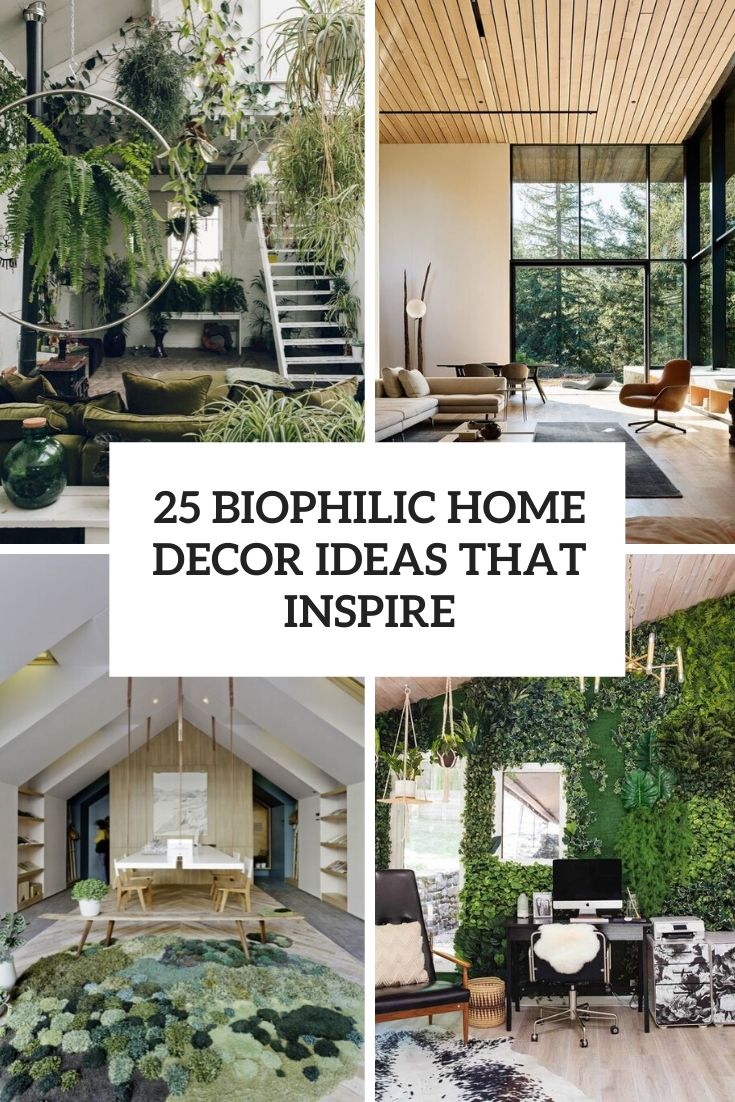
From Canvas to Corner: Selecting Biophilic Art That Resonates
Choosing biophilic art for a new home is like composing a symphony—each piece must harmonize with the space, the inhabitants, and the story they wish to tell. The first step is to identify the emotional tone you want to evoke. Do you crave the tranquility of a misty mountain range? The vibrancy of a tropical rainforest? The grounding presence of a desert landscape? Your choice of art should reflect the mood you want to cultivate in your home. For instance, a serene watercolor of a quiet lake might be perfect for a bedroom, while a bold, abstract interpretation of a coral reef could energize a living room.
Next, consider the scale and placement of the artwork. A small, intricate piece might get lost in a vast, open space, while a large, immersive mural could overwhelm a cozy nook. The key is balance. In a spacious loft, a sweeping landscape painting can anchor the room, while in a compact apartment, a series of smaller, thematically linked pieces can create a cohesive narrative without overwhelming the space. Think of art as a conversation piece—it should draw the eye, invite contemplation, and perhaps even spark dialogue among guests.
Another crucial factor is materiality. Biophilic art often incorporates natural elements like wood, stone, or clay, but modern interpretations might use recycled materials or innovative textures to evoke organic forms. A sculpture made from reclaimed barn wood, for example, doesn’t just represent nature—it is nature, repurposed and reimagined. Similarly, a painting with a rough, impasto texture can mimic the tactile experience of tree bark or rugged terrain, adding a layer of sensory engagement that flat surfaces simply can’t match.
Finally, don’t underestimate the power of personal connection. The most meaningful biophilic art is often the one that holds a story. Perhaps it’s a piece created by a local artist who draws inspiration from the nearby coastline, or a print that reminds the homeowner of a cherished childhood memory in the woods. When art carries emotional weight, it transcends decoration, becoming a cherished part of the home’s identity. For a new home, this kind of art isn’t just a gift—it’s a heirloom in the making.
.png)
The Unseen Benefits: How Biophilic Art Transforms Daily Life
Beyond its aesthetic appeal, biophilic art offers a host of hidden benefits that enhance daily life in subtle yet profound ways. One of the most significant is its ability to anchor us in the present moment. In a world that’s increasingly fast-paced and digitally driven, art that draws from nature acts as a gentle reminder to slow down, observe, and appreciate the beauty around us. A painting of a blooming garden, for instance, can serve as a visual anchor, pulling your attention away from the chaos of a busy day and into a state of mindfulness.
Biophilic art also has the power to stimulate creativity and productivity. Offices and workspaces that incorporate natural elements—whether through art, plants, or organic materials—have been shown to boost cognitive function and reduce mental fatigue. For a new home office, a piece that features abstract organic shapes or a dynamic water scene can spark inspiration, making even the most mundane tasks feel more engaging. It’s as if the art itself is whispering, “Look deeper. Think differently.”
Moreover, biophilic art can foster a sense of continuity and belonging. In a new home, where everything is fresh and unfamiliar, art that reflects the natural world can create a comforting sense of familiarity. Whether it’s a piece that echoes the landscapes of your childhood or one that introduces you to a new ecosystem, it becomes a thread connecting you to the broader tapestry of life. This is especially valuable in urban environments, where the absence of green spaces can leave a void that art is uniquely positioned to fill.
There’s also the social dimension to consider. Biophilic art often sparks curiosity and conversation, inviting guests to share their own connections to nature. A striking piece might prompt a friend to share a story about their favorite hiking trail, or a family member to reminisce about a summer spent by the lake. In this way, art becomes more than a decorative element—it’s a catalyst for connection, bridging gaps between people through shared experiences of the natural world.
Overcoming the Hurdles: Common Pitfalls and How to Avoid Them
Of course, selecting the perfect biophilic art isn’t without its challenges. One of the most common pitfalls is overdoing it. A room that’s saturated with nature-themed decor can feel cluttered or even kitschy, rather than harmonious. The key is restraint. Instead of filling every wall with botanical prints, opt for a few statement pieces that command attention without overwhelming the space. Think of it like a garden—some areas are lush and dense, while others are sparse and open, allowing each element to breathe.
Another challenge is choosing art that feels authentic rather than forced. Not all nature-inspired art qualifies as biophilic. A generic sunset print, for example, might look pretty, but it lacks the depth and sensory engagement that true biophilic art provides. To avoid this, look for pieces that go beyond surface-level representation. Does the art evoke a specific emotion? Does it make you pause and reflect? Does it feel like it belongs in the space, or does it feel like it’s trying too hard to fit in? Authenticity is the hallmark of great biophilic art.
Finally, there’s the issue of budget and accessibility. High-quality biophilic art can be an investment, but it doesn’t have to break the bank. Many emerging artists create stunning pieces at accessible price points, and prints or reproductions of iconic works can offer the same benefits at a fraction of the cost. Additionally, consider commissioning a local artist to create a custom piece—this not only supports creative communities but also ensures the art is tailored to your space and tastes. Remember, the goal isn’t to spend a fortune but to find something that resonates deeply.

A Lasting Legacy: Why Biophilic Art is the Ultimate Housewarming Gift
When it comes to housewarming gifts, the options are endless—from kitchen gadgets to throw pillows to generic vases. But few things leave a lasting impression like biophilic art. Unlike material gifts that may gather dust or be forgotten, a piece of biophilic art becomes a part of the home’s soul. It grows with the space, evolving as the inhabitants’ tastes and experiences change. A painting that once hung in a quiet bedroom might find a new home in a bustling living room years later, its meaning deepening with each passing season.
Moreover, biophilic art is a gift that gives back. It doesn’t just sit there; it changes the atmosphere of the room, influencing mood, productivity, and even the quality of sleep. In a world where we’re constantly bombarded with artificial stimuli, it offers a rare opportunity to reconnect with the natural world, even in the most urban of settings. For a new home, it’s a reminder that beauty and life are intertwined—and that the best gifts are the ones that keep on giving.
So, the next time you’re searching for the perfect present for a new home, ask yourself: What if the best gift isn’t something you can hold, but something that holds you? What if the most meaningful present is one that doesn’t just decorate a space but transforms it, turning a house into a home? Biophilic art is more than a gift—it’s an invitation to slow down, look closer, and remember that we are, at our core, creatures of the natural world. And in that reminder lies the true magic of a well-chosen piece.
As the seasons change and life unfolds within those walls, the art will remain—a silent witness to the laughter, the tears, the quiet moments, and the grand adventures. It will be there when the first light of dawn spills across the canvas, and when the last embers of a winter’s evening glow against its surface. In the end, the best gifts are the ones that outlast the wrapping paper. And biophilic art? It’s the gift that keeps on giving, season after season, year after year.


Leave a Comment