

In the grand theater of the digital age, social media is the most unpredictable, exhilarating, and often maddening stage of all. It’s a place where algorithms wield the power of ancient oracles, where trends erupt like wildfires, and where a single misplaced emoji can spiral into a full-blown crisis. Welcome, dear reader, to the chaoticist’s guide to social media—a realm where chaos isn’t just a side effect; it’s the entire premise. If you’ve ever felt like you’re juggling chainsaws while riding a unicycle, you’re not alone. This is the wild, untamed frontier where creativity collides with chaos, and only the resilient—or the slightly unhinged—thrive.
Social media is not for the faint of heart. It’s a digital jungle where the rules rewrite themselves daily, where the currency of attention is fleeting, and where the only constant is change. Yet, for all its madness, it’s also a place of unparalleled opportunity. It’s where a single viral moment can catapult an unknown artist into the stratosphere or where a well-timed tweet can spark a global movement. The key, as with any chaotic system, is not to resist the turbulence but to learn how to surf its waves. So, grab your metaphorical surfboard, adjust your noise-canceling headphones, and let’s dive into the labyrinthine world of social media—where every click is a gamble, and every post is a high-stakes performance.
The Algorithm: The Invisible Puppeteer of Your Feed
Imagine, if you will, a marionette show where the puppets are your thoughts, your dreams, and your carefully curated selfies. The strings? None other than the almighty algorithm—a digital puppeteer that decides which strings to pull, which to ignore, and which to snap entirely. Algorithms are the unseen architects of your social media experience, shaping not just what you see but how you feel about what you see. They’re the reason you’re suddenly bombarded with cat videos after searching for “whiskers,” or why that one meme from 2016 resurfaces like a ghost from the past.
These algorithms are not mere lines of code; they’re psychological sorcerers, trained to predict your desires with eerie precision. They thrive on engagement, rewarding content that sparks reactions—whether it’s a heartfelt comment, a share, or a swift scroll-past. The more you interact, the more they feed you, creating a feedback loop that can feel like a digital echo chamber. It’s a system designed to keep you scrolling, clicking, and consuming, often at the expense of your sanity. The challenge? Learning to dance with this invisible force without losing yourself in its rhythm.
But here’s the twist: algorithms are not infallible. They’re prone to biases, glitches, and the occasional existential crisis. A single viral post can crash a platform’s servers, or a well-intentioned hashtag can be hijacked by trolls overnight. The chaos isn’t just a bug; it’s a feature. The key is to understand that while algorithms dictate the stage, you still hold the script. Adaptability is your greatest weapon. Stay nimble. Watch the trends. And for the love of all things digital, don’t feed the trolls.
The Content Creation Circus: Where Creativity Meets Madness
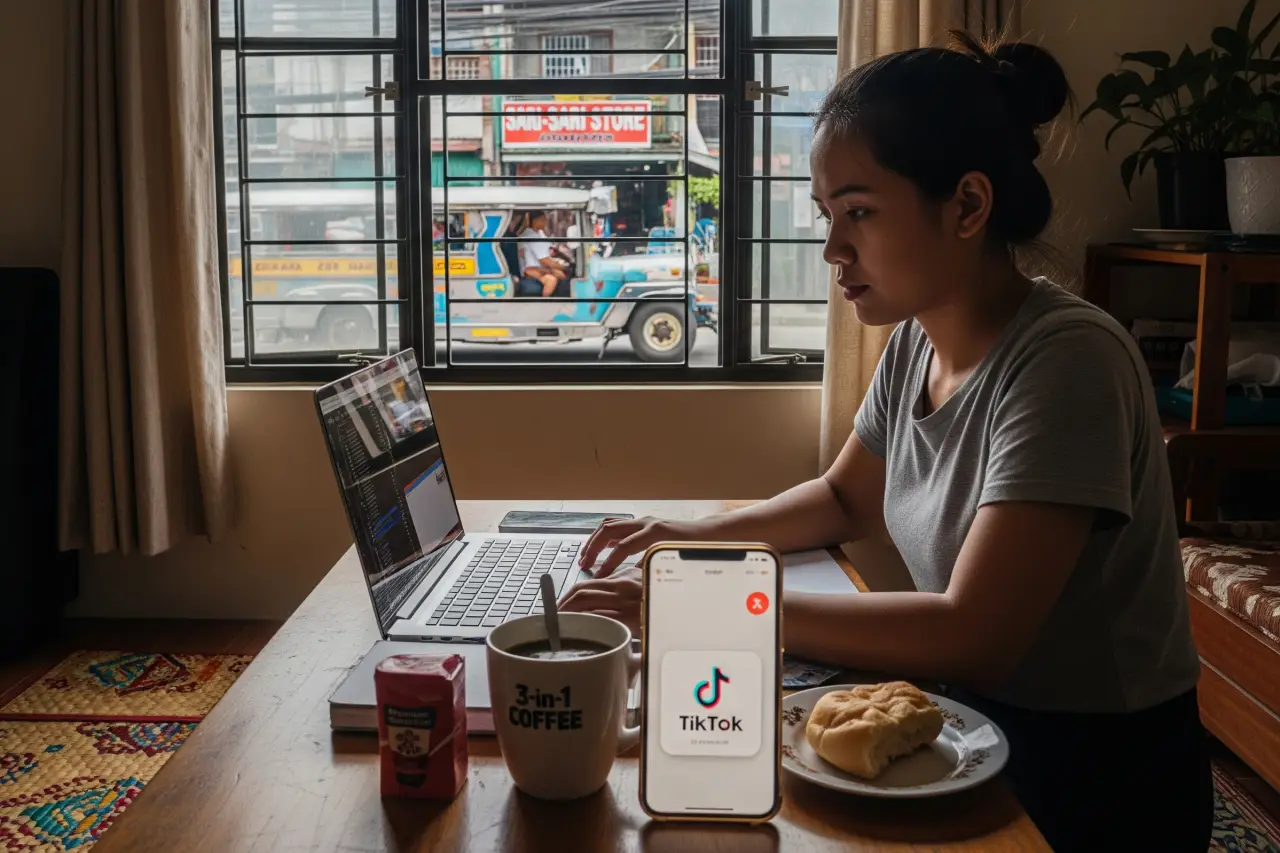
Creating content for social media is like performing in a three-ring circus where the audience is both judge and jury, and the lions are algorithms that could devour your post in a single bite. One day, you’re a virtuoso of virality; the next, you’re a forgotten footnote in the annals of internet history. The pressure to stand out is relentless, and the competition is fiercer than a pack of starving seagulls fighting over a single fry.
Every post is a high-wire act. Will it resonate? Will it flop? Will it be misinterpreted by a fringe group of internet detectives who’ve decided your life choices are an affront to their sensibilities? The answer, more often than not, is a resounding “maybe.” But that’s the thrill of it. Social media is the only stage where failure isn’t just an option—it’s practically a rite of passage. The most successful creators aren’t the ones who never fail; they’re the ones who fail spectacularly and then pivot with the grace of a cat landing on its feet.
Authenticity is your safety net in this circus. Audiences can sniff out inauthenticity from a mile away, and they’ll call you out with the precision of a sniper. But authenticity isn’t just about being “real”; it’s about being *unapologetically you*—quirks, flaws, and all. The most viral moments often come from unexpected places: a raw, unfiltered rant, a behind-the-scenes blooper, or a post that accidentally taps into the zeitgeist. The chaos isn’t just in the delivery; it’s in the vulnerability. And in a world of curated perfection, vulnerability is the ultimate rebellion.
Yet, even the most authentic creators must contend with the tyranny of consistency. Posting regularly is the digital equivalent of a treadmill set to “incline.” Miss a day, and the algorithm might as well have you exiled to the shadow realm. The solution? Batch creation. Plan ahead. Embrace the chaos of scheduling tools that promise to automate your life but often feel like they’re conspiring against you. And remember: not every post needs to be a masterpiece. Sometimes, the most engaging content is the one that feels like a casual conversation with a friend—imperfect, unscripted, and brimming with personality.
The Engagement Gambit: When Attention is the Ultimate Currency
In the grand bazaar of social media, attention is the most coveted currency, and engagement is the transaction that keeps the wheels turning. Likes, shares, comments—these are the digital equivalents of applause, the applause that keeps performers coming back for more, even when the stage is on fire. But engagement is a fickle mistress. One day, you’re basking in the glow of a thousand notifications; the next, you’re staring at a screen that’s as empty as a politician’s promise.
Engagement is not just about numbers; it’s about connection. It’s the difference between shouting into the void and sparking a conversation that ripples across the internet like a stone thrown into a pond. The most successful creators don’t just chase metrics; they cultivate communities. They respond to comments, they ask questions, they make their audience feel seen. In a world where algorithms prioritize content that sparks interaction, the human touch is the secret sauce that turns a post from noise into a symphony.
But beware the dark side of engagement: the trolls, the haters, the keyboard warriors who lurk in the shadows, waiting to pounce on the slightest misstep. Engaging with them is like feeding a stray cat—it only encourages more. The key is to know when to engage and when to walk away. Sometimes, the most powerful move is silence. Other times, it’s a witty retort that disarms the troll and delights your audience. It’s a delicate dance, one that requires the patience of a saint and the reflexes of a ninja.
And then there’s the shadowy world of engagement pods—groups of creators who band together to artificially inflate their metrics. It’s a tempting shortcut, but like most shortcuts, it’s a dead end. Authentic engagement can’t be faked. It’s built on trust, on shared values, on the unspoken bond between creator and audience. The chaos of social media rewards those who embrace the messiness of real connection, not those who try to game the system.

The Burnout Paradox: When Passion Meets Exhaustion
Social media is a marathon, not a sprint—but try telling that to the part of your brain that equates a single unanswered comment with personal failure. Burnout isn’t just a risk; it’s an occupational hazard. The pressure to be “on” 24/7, to churn out content like a factory assembly line, to constantly innovate while staying true to your voice—it’s a recipe for creative exhaustion. The irony? The more you love what you do, the harder it is to walk away when the chaos becomes too much.
Burnout in the social media sphere isn’t just about working too hard; it’s about the emotional toll of living in a world where your worth is measured in likes and shares. It’s the feeling of being a hamster on a wheel, running faster and faster just to stay in the same place. The algorithms don’t sleep. The trends don’t pause. And the audience? They’re always hungry for more. The challenge is to recognize when the chaos has crossed the line from exhilarating to debilitating.
Self-care isn’t a luxury; it’s a necessity. Set boundaries. Schedule downtime. Remember that your worth isn’t defined by a number on a screen. And if all else fails, take a step back. The internet will still be there when you return. In fact, it might even miss you.
But here’s the twist: burnout isn’t always a bad thing. Sometimes, it’s the universe’s way of forcing you to reassess your priorities. Maybe you need to pivot. Maybe you need to slow down. Or maybe, just maybe, you need to embrace the chaos in a new way—one that doesn’t leave you emotionally drained. The key is to listen to your body and your mind. The digital world will always be there, but your well-being? That’s irreplaceable.
The Future: A Glimpse into the Next Frontier of Chaos
The social media landscape is a shapeshifter, constantly evolving, constantly surprising. What’s cutting-edge today will be obsolete tomorrow. The rise of AI-generated content, the dominance of short-form video, the integration of augmented reality—these are just the tip of the iceberg. The future of social media isn’t just about more chaos; it’s about a different kind of chaos. One where the lines between creator and audience blur, where virtual influencers outnumber human ones, and where the algorithms become so sophisticated they start to feel like digital gods.
For creators, the future is both terrifying and exhilarating. The tools at our disposal are more powerful than ever, but so are the challenges. Standing out in a sea of content will require more creativity, more adaptability, and more resilience than ever before. The platforms may change, but the core principle remains the same: connection. Whether it’s through a tweet, a TikTok, or a holographic livestream, the goal is the same—to forge a bond with an audience that feels real, even in the most artificial of spaces.
And so, we press on. Into the chaos. Into the unknown. Armed with nothing but our wits, our creativity, and the unshakable belief that, despite it all, social media is worth the madness. Because at its heart, it’s not just about algorithms and engagement metrics. It’s about people. It’s about stories. It’s about the messy, beautiful, unpredictable journey of connecting with others in a world that’s more connected than ever—and yet, somehow, more alone.
The chaos isn’t going away. But neither are we. So let’s dance with the algorithms. Let’s embrace the madness. And let’s make our mark on the digital world—one chaotic, brilliant post at a time.


Leave a Comment