

Have you ever stood before a blank canvas—or worse, a room full of blank stares—wondering how to turn creative chaos into something teachable? Teaching art isn’t just about technique; it’s about guiding students through the storm of ideas, emotions, and unstructured energy that defines true creativity. But what happens when that storm becomes a hurricane? When the pursuit of artistic expression collides with the rigid structure of a classroom? Welcome to the paradox of the chaoticist’s classroom: where order and anarchy dance in a delicate, often messy waltz.
Teaching art to students who thrive in spontaneity, color outside the lines, and question every rule can feel like trying to herd cats with paintbrushes. Yet, within that very chaos lies the seed of innovation. The key isn’t to suppress the storm—but to teach students how to navigate it. How to channel the whirlwind of ideas into something tangible, meaningful, and even masterful. This guide is your compass through the tempest, offering strategies to transform unbridled creativity into structured artistry without stifling the spark that makes it unique.
The Art of Controlled Chaos: Why Structure and Spontaneity Must Coexist
Imagine a classroom where every student is a firework—bursting with potential, color, and unpredictability. Now imagine trying to capture that firework in a jar. Impossible? Not if you redefine the jar. Teaching art isn’t about forcing conformity; it’s about creating a framework where chaos can flourish without burning down the studio.
Controlled chaos begins with boundaries that feel liberating rather than restrictive. Instead of demanding rigid adherence to a single technique, introduce parameters that spark creativity. For example, set a theme like “urban decay” but allow students to interpret it through any medium—charcoal sketches, digital collages, or even performance art. The constraint becomes a catalyst, not a cage. Students learn that rules aren’t the enemy of creativity; they’re the scaffolding that turns wild ideas into tangible art.
But here’s the twist: structure must be flexible. A rigid lesson plan is the enemy of the chaoticist’s classroom. Instead, design modules with built-in wiggle room. Offer “creative prompts” that are more like invitations than instructions. Ask students to draw a tree—but only using shapes they’ve never tried before. The goal isn’t perfection; it’s exploration. When students feel the freedom to fail, they’re more likely to take risks, and risk is the lifeblood of groundbreaking art.
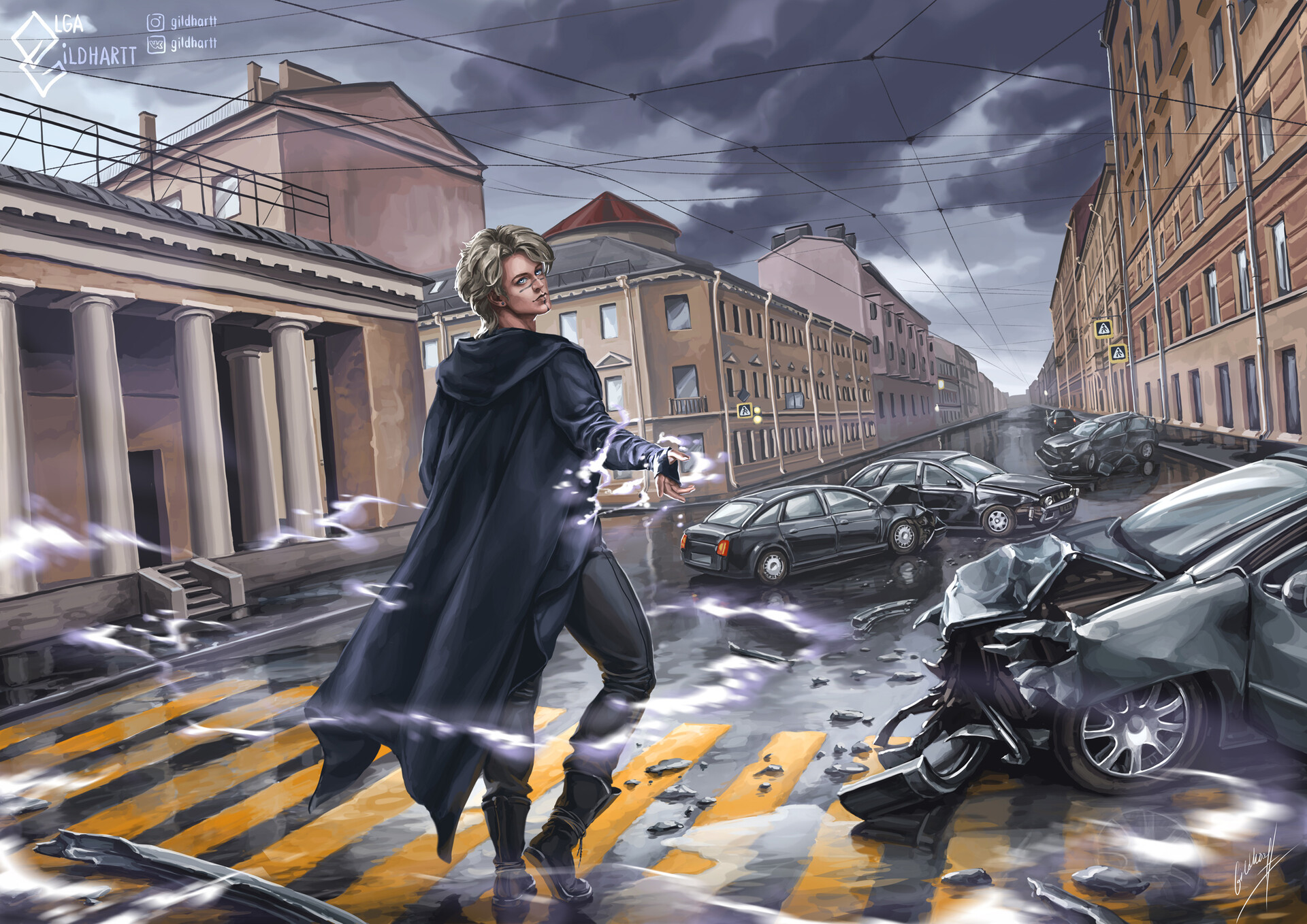
From Blank Page to Masterpiece: Teaching the Art of Starting (Anywhere)
The most daunting moment for any artist—student or seasoned pro—is the blank page. It’s a void that whispers, “You have no idea what you’re doing.” For chaotic students, this void can feel paralyzing. They crave movement, color, and immediate action, yet the blank page demands stillness. So how do you bridge that gap?
Start by reframing the blank page as a playground, not a precipice. Teach students to begin anywhere—even if it’s in the margins. Encourage them to scribble, doodle, or splatter paint without intention. The goal isn’t to create a masterpiece; it’s to break the ice. Once the page is no longer pristine, the pressure lifts. Students can then build upon their initial marks, layer by layer, until something emerges.
Another tactic is to introduce “pre-work” exercises. Before diving into a final piece, have students spend five minutes creating thumbnail sketches or collaging random images. This warm-up routine trains their brains to embrace imperfection and iterate quickly. It’s the artistic equivalent of warming up before a marathon—except the marathon is a blank page, and the finish line is a finished piece.
For the truly paralyzed, try the “ugly first draft” method. Challenge students to create the worst possible version of their idea first. The goal isn’t to produce something bad; it’s to remove the fear of failure. Once the “ugly” version exists, students can refine it, adding layers of detail and intention. This approach demystifies the creative process, proving that even the most chaotic ideas can evolve into something cohesive.
The Teacher as Curator: Guiding Without Dictating
In a chaoticist’s classroom, the teacher’s role isn’t to dictate but to curate. Think of yourself as a DJ at a vibrant, unpredictable party—you set the vibe, drop the beats, and occasionally nudge the crowd in a new direction, but you don’t control every move. Your job is to create an environment where creativity can thrive, even if it’s messy.
Start by designing your space to inspire. Walls covered in student work, rotating displays of local artists, and shelves stocked with unconventional materials (think recycled plastics, fabric scraps, or even old electronics) signal that art isn’t confined to a single medium or style. Encourage students to explore beyond traditional tools. A sculpture made from discarded circuit boards? A painting on a thrifted vinyl record? These choices validate their instincts to blend, repurpose, and reimagine.
But curation isn’t just about the physical space—it’s about the intellectual environment. Foster a culture of peer feedback that’s constructive, not critical. Teach students to ask questions like, “What’s the story behind this piece?” or “How did you decide on this color palette?” rather than defaulting to vague praise or harsh judgments. This shifts the focus from perfection to intention, which is where true growth happens.
Another key strategy is to model vulnerability. Share your own creative struggles—times when your work felt like a disaster, or when you abandoned a project halfway through. Students need to see that even their teachers grapple with chaos. It normalizes the process and reminds them that art isn’t about having all the answers; it’s about asking the right questions.

When the Chaos Overflows: Managing the Unmanageable
Of course, not every classroom session will be a symphony of productivity. Some days, the chaos will feel less like a creative force and more like a classroom riot. Pencils will snap. Paint will splatter. A student might declare, “I’m not doing this anymore!”—and storm out. These moments test your resolve as a teacher. How do you regain control without stifling the very energy that makes your classroom unique?
First, pause and assess. Is the chaos a sign of disengagement, or is it the precursor to something brilliant? Sometimes, students act out because they’re bored or frustrated. Other times, they’re on the verge of a breakthrough. Ask open-ended questions: “What’s making this hard?” or “What would make this more interesting?” Their answers might surprise you—and redirect the energy toward a solution.
When the situation escalates, avoid the temptation to shut it down with a firm “Sit down and work.” Instead, offer a reset. Introduce a quick, collaborative exercise—like a 10-minute group mural or a silly drawing game—to reignite the collective spirit. Physical movement can also help. Have students stand up, stretch, or even do a quick dance break. It’s not about avoiding the chaos; it’s about channeling it into something productive.
For chronic disruptors, consider one-on-one check-ins. Sometimes, the chaos stems from personal struggles that have nothing to do with art. A simple conversation—“I’ve noticed you’ve been really frustrated lately. Want to talk about it?”—can uncover underlying issues and rebuild trust. Remember, your role isn’t just to teach art; it’s to teach students how to navigate their own creative storms.
The Long Game: Nurturing Lifelong Chaos Creators
Teaching art isn’t just about producing skilled artists; it’s about cultivating individuals who see the world through a lens of curiosity and possibility. The chaoticists in your classroom today could be the innovators, designers, or activists of tomorrow—people who refuse to accept the status quo and instead forge their own paths. Your job is to equip them with the tools to do that without burning bridges (or classrooms) along the way.
Encourage them to document their process. A sketchbook isn’t just a collection of drawings; it’s a visual diary of their creative evolution. Have students revisit old work periodically to see how their style has shifted. This practice builds self-awareness and reinforces that art is a journey, not a destination.
Expose them to unconventional influences. Play music from different genres while they work. Introduce them to artists who blend disciplines—like a painter who incorporates sound or a sculptor who uses light. The more they see art as a living, breathing entity, the more they’ll embrace the chaos as part of the process.
Finally, celebrate the mess. Literally. Leave a corner of the classroom as a “chaos zone” where students can experiment without fear of judgment. Display works in progress alongside finished pieces. Normalize the idea that art isn’t about perfection; it’s about exploration. When students leave your classroom, they should carry with them not just technical skills, but the confidence to embrace the unknown—and the courage to turn chaos into something extraordinary.
The chaoticist’s classroom isn’t for the faint of heart. It’s a place of noise, color, and constant motion. But within that whirlwind lies the potential for magic. By teaching students to dance with the storm instead of fighting it, you’re not just shaping artists—you’re shaping visionaries. And isn’t that the most thrilling chaos of all?


Leave a Comment