

The human form has long been the canvas of artistic expression, yet it is in its distortion that dance and performance truly come alive. There is something mesmerizing about watching a body contort, fragment, or dissolve into something unrecognizable—something that lingers just beyond the edge of the familiar. This fascination isn’t merely aesthetic; it’s a visceral confrontation with the boundaries of identity, control, and perception. When a dancer’s limbs stretch into impossible angles or their movements fracture into disjointed rhythms, the audience isn’t just witnessing art—they’re experiencing a silent dialogue between the body and the unknown.
The Allure of the Uncanny: Why Distortion Captivates Us
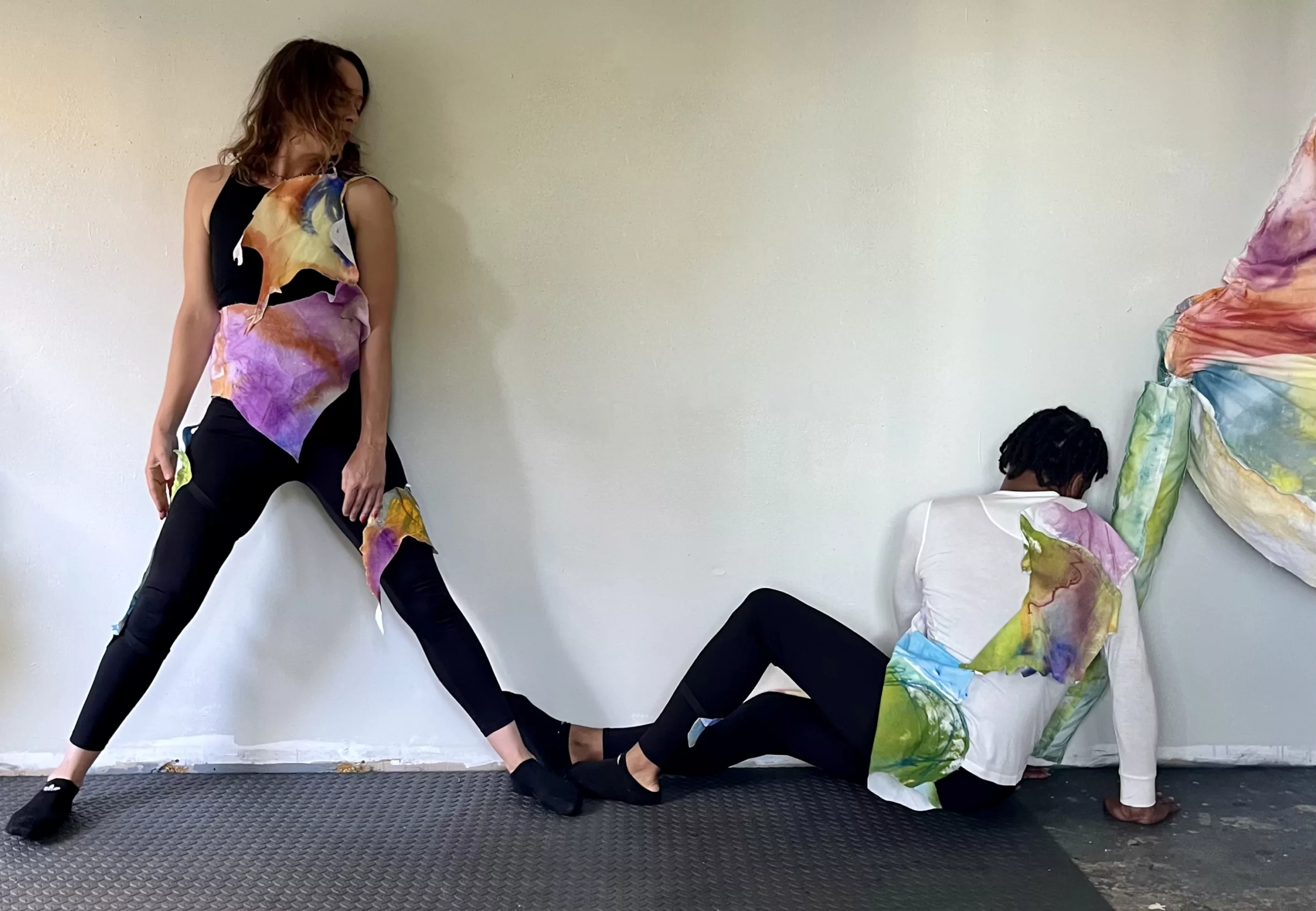
There’s a peculiar thrill in the unsettling beauty of a distorted figure. It’s the same pull that draws us to surrealist paintings or glitch art—an eerie recognition of something almost human, yet undeniably *other*. In dance, this distortion often manifests through exaggerated gestures, fragmented sequences, or the deliberate erosion of natural movement. The result is a performance that feels like a dream: familiar enough to resonate, yet strange enough to unsettle. This duality taps into a primal curiosity about the limits of our own bodies. What would it feel like to move without the constraints of gravity? To stretch beyond the confines of skeletal structure? The distorted figure in dance doesn’t just challenge our eyes—it invites us to question the very essence of physicality.
Consider the way a dancer’s spine might coil like a serpent or their limbs extend as if defying muscle and bone. These distortions aren’t arbitrary; they’re deliberate acts of rebellion against the rigid expectations of form. They force the audience to confront the malleability of the human body—a reminder that our physical selves are not fixed, but fluid, capable of reinvention. This fluidity can be liberating, even cathartic. It suggests that identity, like movement, is not a static entity but a series of evolving shapes and expressions.
Distortion as a Mirror: Reflecting Inner Turmoil
Beyond its aesthetic appeal, distortion in dance often serves as a metaphor for internal conflict. When a performer’s body twists into unnatural positions, it can mirror the psychological fractures we all experience—anxiety, alienation, or the struggle for self-definition. The distorted figure becomes a vessel for emotions too complex to articulate, transforming abstract feelings into tangible, visual language. A dancer’s jerky, spasmodic movements might evoke the chaos of a panic attack, while slow, melting contortions could symbolize the erosion of self under pressure.
This symbolic power is why distortion resonates so deeply in contemporary performance. In an era where identity is increasingly fluid—where societal roles, gender norms, and even physical appearances are constantly renegotiated—the distorted body in dance feels like a radical act of truth-telling. It refuses to conform to the polished, predictable narratives we’re often fed. Instead, it embraces the messy, the fragmented, the unresolved. It says: *This is what it looks like to be human—to bend, to break, to remake ourselves in the face of adversity.*
The Technical Mastery Behind the Illusion
Creating a convincing distortion in dance is no small feat. It demands a level of technical precision that borders on alchemy. Dancers must train for years to achieve the controlled chaos of their movements, learning to manipulate their bodies with the same deliberation as a painter wielding a brush. Techniques like *contact improvisation*, where partners rely on instinct and momentum to create fluid, unpredictable shapes, often serve as the foundation for distorted performances. Similarly, styles like *butoh*—a Japanese avant-garde dance form—embrace grotesque, exaggerated movements to explore themes of decay and rebirth.
Technology has also become a powerful tool in this pursuit. Motion capture, digital projection, and even AI-generated choreography allow performers to push the boundaries of distortion further than ever before. A dancer’s real-time movements might be warped by algorithms, their limbs elongating or multiplying on a screen behind them. These hybrid performances blur the line between flesh and code, raising questions about the future of the human body in art. If a distorted figure can be generated by a machine, does it lose its authenticity? Or does it merely reveal a new layer of what the body can become?
The Cultural Resonance of the Distorted Figure
Distortion in dance isn’t a modern invention—it’s woven into the fabric of cultural storytelling. From ancient rituals where dancers wore masks to distort their identities, to the exaggerated masks of commedia dell’arte, the human form has long been a site of transformation. In many indigenous traditions, dance serves as a bridge between the physical and spiritual worlds, with performers embodying deities or spirits through distorted, otherworldly movements. Even in classical ballet, the exaggerated postures and gestures of characters like the *Wilis* or *Willis*—ghostly spirits in *Giselle*—hint at a long-standing fascination with the spectral, the fragmented, the not-quite-alive.
 The distorted figure in dance also reflects societal anxieties. During periods of upheaval—wars, pandemics, political revolutions—artists often turn to distortion as a way to process collective trauma. The fragmented movements of Ausdruckstanz (German expressionist dance), for example, emerged in the early 20th century as a response to the disillusionment of World War I. Similarly, the raw, convulsive choreography of Pina Bausch’s *Rite of Spring* feels like a ritualistic unraveling of societal norms. In these works, distortion isn’t just a stylistic choice; it’s a necessary catharsis.
The Audience’s Role: Participating in the Distortion
Watching a distorted figure in dance is an active experience. The audience isn’t a passive observer but a participant in the performance’s unsettling magic. Our brains are wired to seek patterns, to impose order on chaos—and when a dancer’s body defies those patterns, it triggers a cognitive dissonance. We might feel a jolt of discomfort, a flicker of recognition, or even a sense of awe at the sheer audacity of the distortion. This discomfort is part of the appeal. It forces us to engage more deeply, to question our own perceptions of reality.
Some performances take this engagement further by incorporating interactive elements. Audience members might be given VR headsets to experience a dancer’s movements from a distorted perspective, or they might be invited to influence the choreography in real time. These immersive experiences dissolve the barrier between performer and spectator, making the distortion feel like a shared hallucination. It’s as if the audience isn’t just watching the performance—they’re *inside* it, navigating the same disorienting terrain as the dancer.
The Future of Distortion in Dance
The distorted figure in dance is far from a fleeting trend—it’s an evolution of the form itself. As technology advances and societal norms continue to shift, we can expect to see even more radical experiments in bodily distortion. Augmented reality could allow dancers to merge with digital avatars, their movements warping in real time. Biomechanical enhancements, like exoskeletons or prosthetics, might push the limits of what a human body can do. And as conversations around identity grow more nuanced, distortion will remain a powerful tool for artists to explore the boundaries of self.
Yet, for all its futuristic potential, the core of distortion in dance remains deeply human. It’s about the body’s capacity for reinvention, for defiance, for transformation. Whether through the raw physicality of a solo performance or the hypnotic precision of a group piece, the distorted figure reminds us that art isn’t just about beauty—it’s about truth. And sometimes, the most profound truths are the ones that don’t fit neatly into the spaces we’ve carved out for them.
The next time you watch a dancer’s body twist into something unrecognizable, ask yourself: What is it about this distortion that feels so familiar? Why does it linger in your mind long after the performance ends? The answer lies not in the movement itself, but in the silent conversation it invites—a conversation about who we are, who we could be, and the infinite shapes we’re capable of becoming.


Leave a Comment