

In the grand theater of human culture, stories have always been the pulse that keeps the heart of society beating. Yet, as the digital age accelerates the pace of innovation, a new phenomenon is emerging—one that doesn’t just tell stories but propels them forward with relentless momentum. Enter narrative velocity, the unseen force reshaping how we consume, create, and interact with narratives in an era where attention is the most coveted currency. This isn’t just about faster storytelling; it’s about stories that evolve, adapt, and accelerate in real-time, pulling audiences into a vortex of engagement that feels as natural as breathing.
Imagine a river carving its path through stone—not in centuries, but in moments. That’s narrative velocity: the art of infusing stories with the kinetic energy of a sprinting cheetah, the adaptability of a chameleon, and the inevitability of a river finding its course. It’s the difference between a static painting and a living, breathing ecosystem where every interaction nudges the narrative forward, where audiences don’t just witness a story but become co-authors of its trajectory. This is the future of storytelling, and it’s arriving faster than we ever imagined.
The Alchemy of Speed and Depth: Why Narrative Velocity Matters
At its core, narrative velocity is the fusion of two seemingly opposing forces: the urgency of speed and the richness of depth. Traditional storytelling often trades complexity for pace, or vice versa. A novel might linger in meticulous detail for hundreds of pages, while a tweet demands instant gratification. Narrative velocity, however, refuses to choose. It’s the storyteller’s equivalent of a high-performance engine—powerful enough to roar down the highway of attention spans, yet intricate enough to weave subplots, character arcs, and thematic layers into the fabric of its journey.
Consider the rise of interactive fiction, where readers don’t just turn pages but influence the plot’s direction. Platforms like Twine or Inkle allow audiences to make choices that ripple through the narrative, creating a feedback loop where the story accelerates not just in time but in relevance. Each decision isn’t just a click—it’s a catalyst, propelling the narrative forward while deepening the reader’s investment. This isn’t passive consumption; it’s active co-creation, where the story’s velocity is directly proportional to the audience’s engagement.
The magic lies in the balance. Too slow, and the audience disengages. Too fast, and the story loses its soul. Narrative velocity thrives in the sweet spot where every twist, every revelation, feels both inevitable and surprising. It’s the difference between a monologue and a duet—where the audience’s role isn’t just to listen but to harmonize, to push the story into uncharted territories while keeping it grounded in emotional truth.
The Digital Current: How Technology Fuels Narrative Velocity
Technology isn’t just a tool for narrative velocity—it’s its lifeblood. The digital ecosystem has cracked open the dam, allowing stories to flow in real-time, adapting to the contours of an audience’s desires, fears, and curiosities. Social media platforms, with their algorithms that prioritize engagement, have turned storytelling into a dynamic sport. A viral thread on Twitter or a trending hashtag on Instagram can transform a simple anecdote into a sprawling, multi-threaded saga overnight. The story isn’t static; it’s a living organism, mutating and expanding with each share, each comment, each retweet.
Take, for example, the phenomenon of micro-stories on platforms like TikTok or Snapchat. These bite-sized narratives—often just 15 to 60 seconds—are designed to hook viewers in the first three seconds, then propel them through a whirlwind of emotion, humor, or suspense. The velocity here isn’t just in the delivery but in the audience’s expectation. We’ve trained ourselves to consume stories in bursts, and platforms have responded by crafting narratives that are as agile as they are compelling. It’s storytelling stripped down to its essence, then rebuilt with the precision of a Swiss watch.
But technology’s role doesn’t end with distribution. Artificial intelligence is now stepping into the fray, acting as both a collaborator and a catalyst. AI-driven tools can analyze audience reactions in real-time, suggesting plot twists, character developments, or even alternate endings based on engagement metrics. Imagine a choose-your-own-adventure game where the AI doesn’t just track your choices but predicts what you’ll want next, subtly steering the narrative toward the most compelling path. This isn’t just interactivity—it’s a symbiotic relationship between storyteller and audience, where the narrative’s velocity is co-piloted by human creativity and machine intuition.
The Psychology of Acceleration: Why Our Brains Crave Narrative Velocity
Human psychology is wired for movement. From the moment we’re born, we’re drawn to stories that progress, that evolve, that refuse to stand still. Narrative velocity taps into this primal instinct, offering a psychological payoff that’s as satisfying as a well-timed punchline or a gut-wrenching cliffhanger. When a story moves quickly, our brains release dopamine—a neurotransmitter associated with pleasure and reward. It’s the same chemical rush we get from solving a puzzle or achieving a goal, and it keeps us hooked, hungry for the next twist, the next revelation.
Yet, narrative velocity isn’t just about speed for speed’s sake. It’s about creating a sense of urgency that mirrors the chaos of modern life. In a world where information bombards us from every angle, stories that move with purpose feel like an oasis—a place where meaning is distilled from the noise. This is why serialized storytelling, whether in podcasts, TV shows, or novels, has seen a resurgence. Each installment isn’t just a continuation; it’s a cliffhanger, a question mark dangling in the air, demanding to be answered. Our brains crave closure, and narrative velocity delivers it in doses that keep us coming back for more.
There’s also the element of anticipation. When a story accelerates, it creates a feedback loop of curiosity. We don’t just want to know what happens next—we need to know. This is the same psychological mechanism that drives binge-watching or compulsive social media scrolling. Narrative velocity turns passive consumption into an active pursuit, where the audience isn’t just a spectator but a participant in the story’s relentless forward motion. It’s the difference between watching a train pass by and being the conductor, steering it toward destinations we can’t yet imagine.
The Art of the Cliffhanger: Crafting Narratives That Never Rest
A story without momentum is like a river that’s forgotten how to flow—it stagnates, and the audience drifts away. The cliffhanger is the architect of narrative velocity, the tool that ensures a story never loses its stride. But not all cliffhangers are created equal. The most effective ones don’t just tease the next installment; they leave the audience with a question so tantalizing that it lingers like an unanswered phone call. It’s the difference between saying, “To be continued…” and whispering, “What if I never let you go?”
Consider the opening of Breaking Bad, where Walter White’s transformation from mild-mannered teacher to drug kingpin is set in motion by a single, chilling decision. The show’s narrative velocity is relentless because every episode ends with a question mark—Will he get caught? Will he betray his partner? Will he survive the night? These aren’t just plot devices; they’re emotional landmines, detonating in the audience’s mind and propelling them forward. The story doesn’t just move; it pulls, like a magnet dragging a needle across a record.
In interactive storytelling, the cliffhanger takes on a new dimension. It’s not just about what happens next in the plot but how the audience’s choices will shape the outcome. A well-crafted cliffhanger in a video game or a branching narrative app doesn’t just end with a question—it ends with a decision. Do you trust the stranger? Do you take the left path or the right? Each choice isn’t just a fork in the road; it’s a catalyst, accelerating the story toward its next phase. This is narrative velocity at its most potent—where the audience’s agency becomes the engine of the story’s momentum.
The key to mastering the cliffhanger lies in restraint. A story that races too fast risks exhausting its audience, while one that lingers too long risks losing its urgency. The sweet spot is where every revelation feels earned, every pause feels deliberate, and every ending feels like a beginning in disguise. It’s the art of the ellipsis—the unspoken promise that the story isn’t over, that the next chapter is already waiting, just out of reach.
The Future Unfolds: Narrative Velocity in the Coming Decade
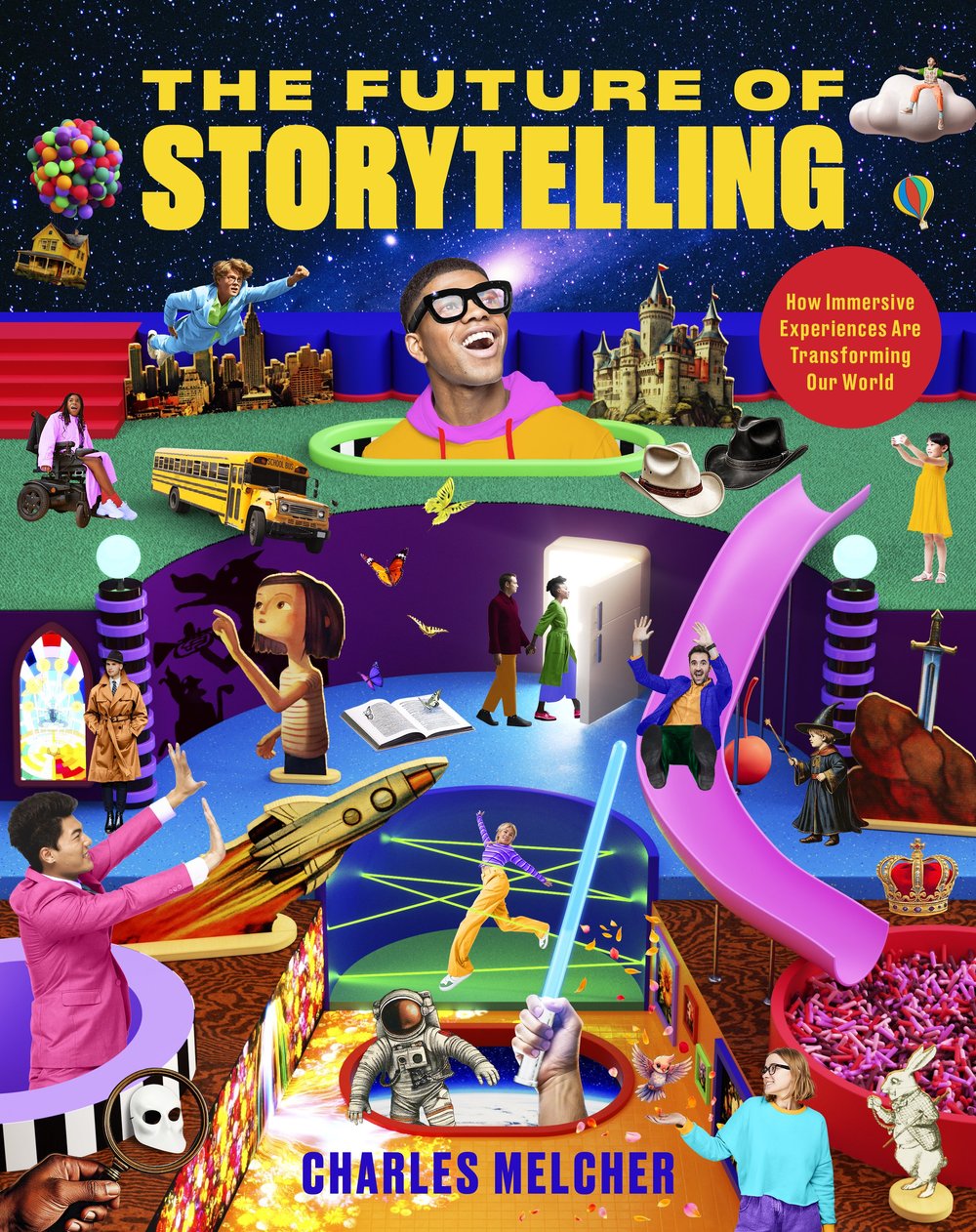
The next frontier of narrative velocity isn’t just about faster stories—it’s about stories that are alive. Imagine a narrative that evolves based on real-world events, where a global crisis or a viral meme can rewrite the plot in real-time. This isn’t science fiction; it’s the logical extension of the interactive and AI-driven storytelling we’re already seeing. Platforms like Epic Games’ Fortnite have blurred the line between game and story, hosting in-game events that unfold like live-action narratives, shaped by the actions of millions of players. The story isn’t just told; it’s lived.
We’re also on the cusp of personalized narratives, where stories adapt not just to the audience’s choices but to their emotions. Imagine a horror story that uses biometric data to gauge your fear levels, then adjusts the pacing, the scares, even the ending based on your physiological responses. It’s storytelling as a two-way mirror, where the narrative isn’t just reflected back at you—it’s shaped by the contours of your own mind. This is narrative velocity taken to its extreme: a story that doesn’t just move forward but morphs in real-time, ensuring that every interaction feels uniquely yours.
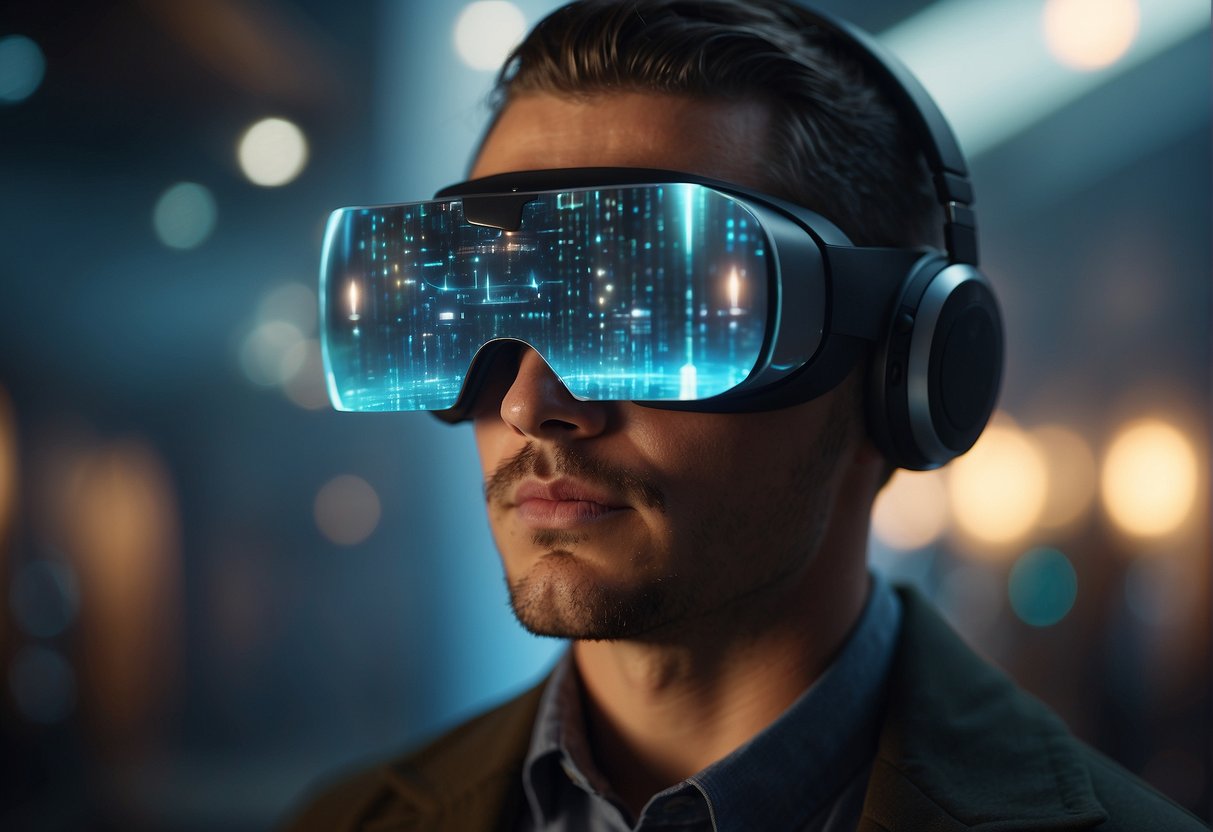
The rise of augmented reality (AR) and virtual reality (VR) will further dissolve the boundaries between story and audience. In a VR narrative, you’re not just watching a character’s journey—you’re stepping into it, making choices that ripple through the story’s universe. The velocity here isn’t just in the plot’s progression but in the audience’s immersion. Every glance, every gesture, every decision becomes a thread in the narrative tapestry, pulling the story forward in ways that were once the stuff of dreams.
Yet, with all this acceleration, there’s a risk of losing the soul of storytelling—the human element. Narrative velocity must never come at the cost of authenticity. The most compelling stories, whether they’re told in 140 characters or 140 hours, are the ones that resonate on a deeply emotional level. They make us laugh, cry, and question. They remind us of our shared humanity. So while technology will continue to push the boundaries of what’s possible, the heart of narrative velocity will always be the same: a story that moves us, not just in the sense of speed, but in the sense of meaning.
The future of storytelling isn’t a sprint—it’s a marathon with no finish line. It’s a story that never ends, that evolves with every telling, every retelling, every new audience. It’s the promise of a narrative that’s as infinite as the human imagination, as relentless as the tides, as unstoppable as the march of progress. And when we embrace narrative velocity, we don’t just tell stories—we become part of them, propelled forward by the sheer force of their momentum.


Leave a Comment