

In an era where urban jungles dominate our landscapes, the yearning to reconnect with nature has never been more palpable. Enter biophilic design—a philosophy that marries the innate human affinity for nature with the built environment. This movement transcends mere aesthetics; it’s a holistic approach to crafting spaces that nurture well-being, spark creativity, and foster tranquility. Whether you’re a seasoned DIY enthusiast or a novice eager to infuse your home with verdant vitality, the world of DIY biophilic projects offers a treasure trove of inspiration. From living walls that breathe life into sterile walls to handcrafted furniture that mimics organic forms, these projects are more than just decor—they’re a testament to the symbiotic relationship between humanity and nature.
Imagine waking up to the gentle rustle of leaves, the earthy scent of moss, and the soft glow of sunlight filtering through foliage—all within the confines of your own home. This isn’t a distant dream but a tangible reality achievable through biophilic design. The beauty of DIY biophilic projects lies in their accessibility and adaptability. They empower individuals to transform their living spaces into sanctuaries that not only please the eye but also soothe the soul. Whether you have a sprawling backyard or a compact apartment, there’s a biophilic project tailored to your space, budget, and skill level. Let’s embark on a journey through the lush landscape of DIY biophilic design, exploring the myriad ways you can cultivate an eco-artful home.
The Living Canvas: Vertical Gardens and Moss Walls
Vertical gardens, or living walls, are the crown jewels of biophilic design. They turn blank walls into vibrant tapestries of greenery, purifying the air while adding a dynamic visual element to any room. The beauty of a vertical garden lies in its versatility—whether you opt for a modular system, a pallet garden, or a hydroponic setup, the result is a living masterpiece that evolves with time. Moss walls, a simpler yet equally enchanting alternative, require minimal maintenance and thrive in low-light conditions, making them perfect for bathrooms or north-facing rooms. These verdant installations not only enhance air quality but also create a calming atmosphere, reducing stress and boosting mood.
For the hands-on creator, crafting a vertical garden from repurposed materials like wooden crates, shoe organizers, or even old picture frames can be a rewarding project. Start by selecting a variety of plants that thrive in similar light and moisture conditions—succulents, ferns, and pothos are excellent choices for beginners. Arrange them in a pattern that pleases the eye, ensuring adequate drainage to prevent root rot. The key is to layer textures and heights, mimicking the natural stratification of a forest floor. As your garden grows, it becomes a living testament to your dedication, a daily reminder of nature’s resilience and beauty.

Organic Furniture: Crafting with Nature’s Palette
Furniture that echoes the organic world isn’t just a design choice—it’s a philosophy. Pieces crafted from reclaimed wood, bamboo, or even mycelium (a biodegradable material grown from fungal networks) blur the line between art and utility. A DIY biophilic coffee table with a live-edge slab, for instance, brings the raw beauty of the forest indoors, while a chair woven from rattan or willow branches evokes the delicate intricacy of a bird’s nest. These creations aren’t just functional; they’re conversation starters, each telling a story of sustainability and craftsmanship.
For those eager to dive into woodworking, consider starting with a simple project like a plant stand or a bookshelf. Use reclaimed timber to minimize environmental impact, and embrace the natural imperfections—knots, cracks, and grain variations—that give each piece its unique character. If metalworking appeals to you, try crafting a plant hanger from copper or brass, allowing the patina to develop naturally over time. The goal isn’t perfection but harmony—a seamless integration of human ingenuity and natural forms. As you sand, shape, and assemble, you’ll find that the process itself becomes a meditative act, grounding you in the present moment.
Nature’s Palette: Earthy Color Schemes and Textures
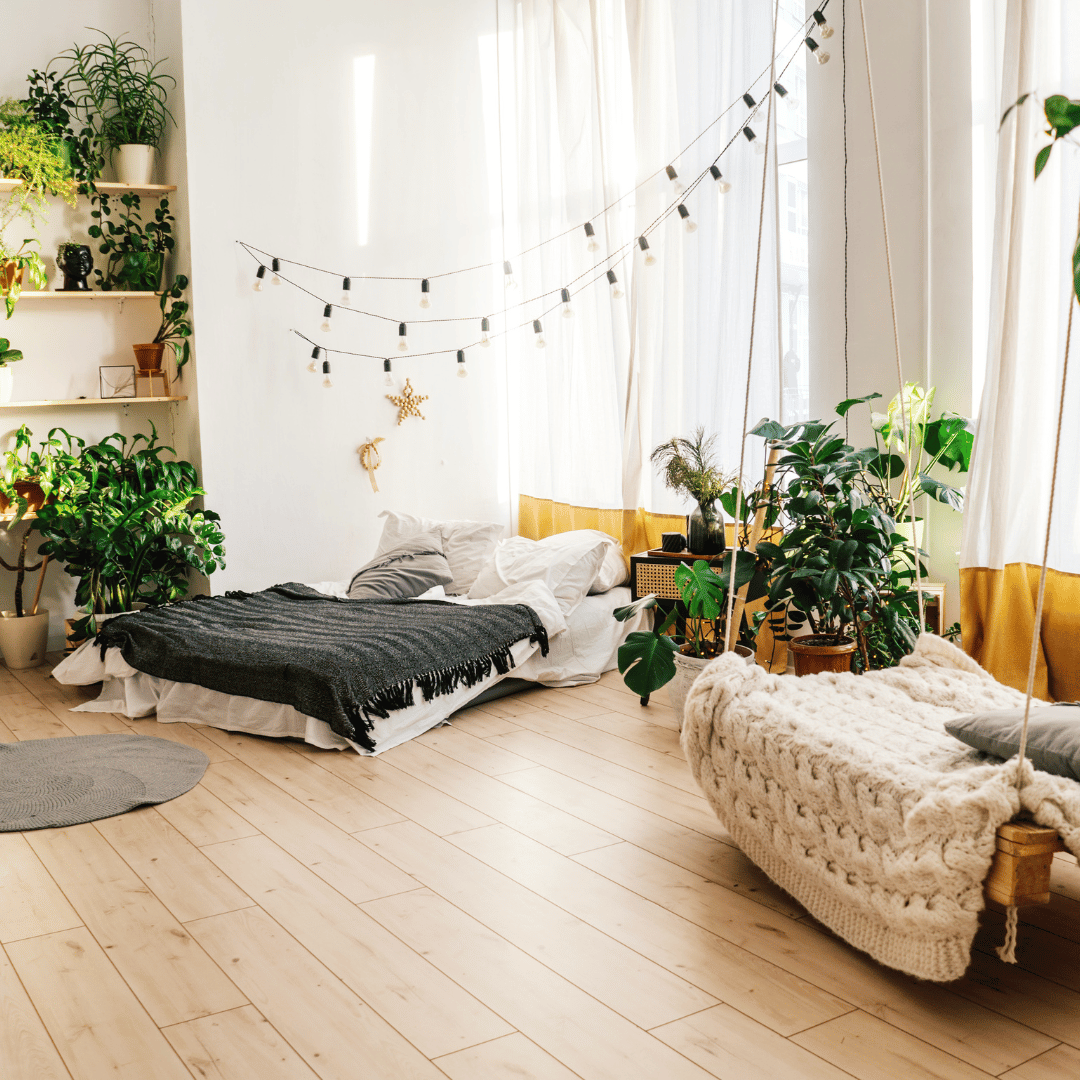
The colors and textures of the natural world are a boundless source of inspiration for interior design. Biophilic color palettes draw from the muted tones of a forest floor, the azure hues of a clear sky, or the golden warmth of a sunset. Think terracotta, sage green, slate blue, and ochre—colors that evoke a sense of calm and connection. Pair these with tactile materials like linen, jute, wool, and stone to create a sensory-rich environment that engages touch as much as sight.
To incorporate these elements into your home, start by selecting a dominant color from nature’s palette and building your palette around it. For example, a base of warm terracotta can be complemented by accents of deep green and soft beige. Introduce texture through woven baskets, chunky knit throws, or a stone veneer fireplace surround. Even small details, like a ceramic vase with a cracked-glaze finish or a rug with a subtle leaf motif, can evoke the essence of the outdoors. The key is to layer textures and colors gradually, allowing each element to breathe and contribute to the overall harmony of the space.
Water Features: The Serenade of Flowing Life
Water has long been revered for its soothing properties, and incorporating a water feature into your home can transform it into a tranquil retreat. A tabletop fountain, a wall-mounted waterfall, or even a small indoor pond can introduce the gentle melody of flowing water, masking urban noise and creating a sense of serenity. For a DIY approach, consider a bamboo water spout—a simple yet elegant feature that channels water into a basin below, mimicking the natural flow of a mountain stream.
When designing a water feature, think about scale and placement. A compact fountain on a bedside table can lull you to sleep with its rhythmic trickle, while a larger indoor pond in a sunroom becomes a focal point, teeming with aquatic plants and perhaps even a few fish. The materials you choose should complement your biophilic aesthetic—smooth river stones, weathered driftwood, or polished pebbles can enhance the organic feel. As you craft your water feature, remember that maintenance is key; ensure the water remains clean and the pump functions smoothly to preserve the tranquility it brings.
Light and Shadow: Harnessing Natural and Artificial Illumination
Light is the lifeblood of biophilic design, shaping our perception of space and influencing our circadian rhythms. Maximizing natural light is the first step—large windows, skylights, and glass doors can flood a room with sunlight, creating a dynamic interplay of light and shadow. For spaces where natural light is limited, mimic its qualities with warm, layered lighting. Use table lamps with linen shades, floor lamps with adjustable arms, and LED strips that mimic the color temperature of daylight to create a balanced, inviting glow.
Consider the interplay of light and shadow in your design choices. A lattice screen cast in sunlight can project intricate patterns onto a wall, evoking the dappled shade of a forest canopy. Alternatively, a stained-glass window or a DIY project using colored acetate sheets can transform ordinary light into a kaleidoscope of hues. The goal is to create a space that feels alive, where light dances and shadows tell stories—just as they do in the natural world.
Bringing the Outdoors In: Seasonal and Rotating Elements
Biophilic design isn’t static; it’s a dynamic dialogue between the indoors and outdoors. Embrace the changing seasons by rotating plants, textiles, and decor to reflect the time of year. In spring, introduce budding branches in vases or a tabletop terrarium filled with fresh moss and delicate flowers. Summer calls for breezy linens, citrus-hued accents, and an abundance of leafy greens. As autumn arrives, swap in warm tones like burnt orange and deep red, along with dried grasses or pinecones. Winter invites cozy textures—wool throws, sheepskin rugs, and evergreen boughs—to create a snug, inviting atmosphere.
This seasonal approach keeps your space feeling fresh and connected to the natural world. It also encourages mindfulness, as you attune yourself to the rhythms of nature and the subtle shifts in your environment. Whether you’re foraging for pinecones on a crisp autumn day or arranging a bouquet of winter berries, these small acts of connection deepen your relationship with the outdoors.
The DIY Mindset: Tools, Tips, and Troubleshooting
Embarking on a DIY biophilic project requires a blend of creativity, patience, and practical know-how. Start by assessing your space—measure dimensions, note light conditions, and consider your skill level. Gather tools suited to your project: a miter saw for woodworking, a hot glue gun for moss walls, or a water pump for a fountain. Don’t overlook the importance of safety gear, from gloves to goggles, especially when working with materials like reclaimed wood or metal.
Troubleshooting is part of the process. A plant that’s struggling to thrive might need better drainage or a different light exposure. A water feature that’s too noisy could benefit from a quieter pump or sound-absorbing materials. The key is to approach challenges with curiosity rather than frustration. Each setback is an opportunity to learn and refine your craft. And remember, the beauty of DIY lies in imperfection—handmade pieces carry the marks of their creation, each scratch and stain a testament to their journey.
A Sanctuary for the Senses: The Holistic Benefits of Biophilic Living
The rewards of biophilic design extend far beyond aesthetics. Studies have shown that exposure to natural elements reduces stress, enhances cognitive function, and even accelerates healing. A home infused with biophilic elements becomes a sanctuary for the senses—a place where the scent of pine needles lingers in the air, where the texture of a linen curtain invites touch, and where the sight of greenery lowers cortisol levels. It’s a space that nurtures not just the body but the soul, offering respite from the relentless pace of modern life.
As you cultivate your eco-artful home, consider the ripple effects of your choices. By opting for sustainable materials, you reduce your environmental footprint. By prioritizing handmade pieces, you support local craftsmanship and slow fashion. And by creating a space that resonates with nature, you foster a deeper appreciation for the world around you. Biophilic design is more than a trend; it’s a movement toward harmony, a celebration of the interconnectedness of all living things.
In the end, your biophilic home is a reflection of your journey—a canvas where nature and creativity intertwine. Whether you’re crafting a vertical garden, weaving a rattan chair, or simply arranging a vase of wildflowers, each act is a step toward a more mindful, more vibrant way of living. So gather your tools, open your heart to the possibilities, and let the art of biophilic design transform your space into a haven of beauty and tranquility.


Leave a Comment