

The Floral Pop of the Festival: Art in the Crowd
The air hums with the electric pulse of basslines, the scent of sweat and synthetic fragrances mingling under neon halos. Amidst the undulating sea of bodies, art isn’t just observed—it breathes, pulsates, and transforms. Festivals have long been the crucible where culture, creativity, and chaos collide, but today, they’ve evolved into living galleries where every glance, every gesture, becomes part of a larger, ephemeral masterpiece. From the riotous energy of a nightclub crowd to the meticulously crafted surrealism of digital art, festivals are no longer just events; they’re immersive experiences where the line between spectator and participant dissolves. This is the era of the festival as a canvas, where the crowd itself is the brushstroke, and the art is as transient as the moment it’s created.
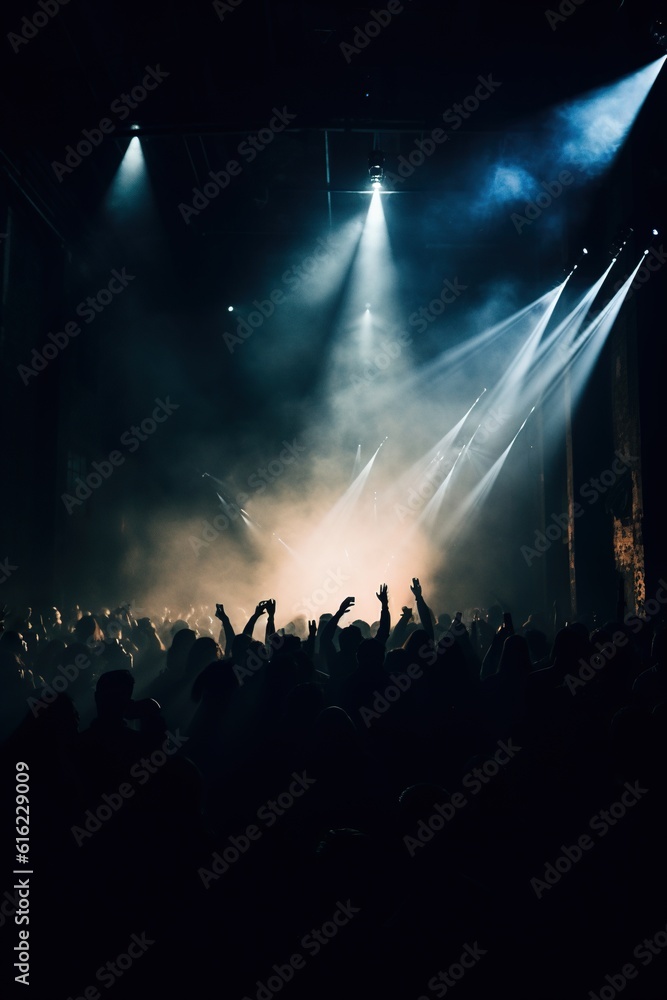
At the heart of this transformation is the fusion of human energy and artistic expression. Festivals are no longer confined to the static frames of posters or the flicker of screens; they’ve become dynamic ecosystems where every attendee contributes to the visual symphony. The crowd isn’t just an audience—it’s a living collage, a mosaic of motion and emotion that shifts with the rhythm of the music. This phenomenon is particularly evident in nightclub settings, where the synergy between sound and movement creates a hypnotic, almost hallucinogenic effect. The dancers, bathed in stroboscopic light, become brushstrokes in a kinetic painting, their silhouettes merging into a single, breathing entity. It’s a spectacle that transcends traditional art forms, inviting participants to not just witness but to co-create.

Yet, the art of the festival extends far beyond the kinetic energy of the crowd. It also thrives in the static yet striking visuals that adorn the spaces where these gatherings unfold. Posters, murals, and digital projections transform venues into immersive environments, each piece a deliberate attempt to evoke emotion, provoke thought, or simply dazzle the senses. The abstract floral pop art paintings that often grace festival backdrops, for instance, are more than decorative—they’re a visual language. Their bold colors and exaggerated forms speak to the exuberance of the occasion, their patterns mimicking the organic chaos of a crowd in motion. These artworks serve as focal points, anchoring the chaos and providing a visual rhythm that guides the attendee’s experience.
Consider the way a single mural can anchor a festival’s identity. A sprawling, hyper-detailed piece might depict a surreal landscape where flora and fauna intertwine with human figures, their forms melting into one another in a celebration of unity and diversity. Such artworks aren’t just backdrops; they’re conversation starters, silent storytellers that invite attendees to pause, reflect, and engage. They become the backdrop for countless Instagram moments, yes, but also for deeper connections—shared glances, whispered interpretations, and the unspoken understanding that art, in all its forms, is the glue that binds a festival’s community.

But the art of the festival isn’t confined to the physical or the digital. It’s also in the ephemeral moments of human connection—the way a stranger’s smile can light up a dimly lit room, the way a shared laugh can turn a crowded dance floor into a sanctuary. Festivals are microcosms of society, where people from all walks of life converge to celebrate, to rebel, to connect. And in that convergence, art is born. It’s in the graffiti scrawled on bathroom stalls, the impromptu dance circles that form in the middle of a field, the way a DJ’s set can turn a room into a cathedral of sound. These are the unsung artworks of the festival, the fleeting yet unforgettable expressions of collective creativity.
The role of technology in this artistic evolution cannot be overstated. Digital art, AI-generated visuals, and interactive installations have pushed the boundaries of what’s possible in festival spaces. Imagine stepping into a room where the walls shift and morph in real-time, responding to the movement of the crowd, or a projection that transforms the floor into a living, breathing ecosystem. These aren’t just gimmicks; they’re invitations to engage with art in a way that’s deeply personal and interactive. The crowd becomes part of the artwork, their presence altering the environment in real-time, creating a feedback loop of creativity and participation.
For the artistically inclined attendee, festivals offer a playground of inspiration. Workshops, live painting sessions, and collaborative art projects provide opportunities to dive deeper into the creative process. Whether it’s a mural being painted in real-time by a team of artists or a quiet corner where attendees are encouraged to sketch their interpretations of the festival’s energy, these activities transform passive observation into active creation. They remind us that art isn’t just something to be admired from afar—it’s something to be lived, breathed, and created.
Yet, the art of the festival is also a mirror, reflecting the cultural and social currents of its time. The themes explored in festival art—whether it’s the celebration of nature, the critique of societal norms, or the exploration of identity—are often a reflection of the collective consciousness. A festival’s visual language can speak volumes about the values, fears, and aspirations of its community. It’s a reminder that art, in all its forms, is never just decoration; it’s a dialogue, a statement, a call to action.
The sensory overload of a festival is, in many ways, a form of art in itself. The clash of music, the scent of food and sweat, the tactile experience of crowded spaces—all of these elements combine to create a multi-dimensional artwork that engages every sense. It’s an art form that’s as much about the environment as it is about the individual experiences within it. The festival-goer isn’t just a spectator; they’re a participant in a sensory symphony, their body and mind immersed in a whirlwind of stimuli that leaves a lasting impression.
As the sun rises on the final day of the festival, the art lingers—not just in the memories of the attendees, but in the physical remnants of the event. The murals remain, the posters flutter in the breeze, and the digital projections fade into the morning light. But the true art—the art of the crowd, the art of the moment—has already moved on, evolving into the next shared experience, the next collective creation. Festivals are fleeting, but their impact is eternal. They remind us that art isn’t confined to galleries or museums; it’s everywhere, in the spaces between people, in the energy of the crowd, in the very act of coming together to celebrate life.
The next time you find yourself in the midst of a festival, take a moment to look around. See the art in the crowd’s movement, in the visuals that surround you, in the connections you make. Because at its core, the festival is a living, breathing artwork—and you, dear attendee, are its most vital brushstroke.


Leave a Comment