

The year 2026 is whispering promises of artistic revolution, where the sacred and the secular entwine in a dance of perception. Imagine a world where the polar bear—a symbol of raw, untamed wilderness—becomes a canvas for divine revelation. This is not mere fantasy; it is the dawn of a new artistic paradigm, where the seam, the soil, and the small converge into a holy trinity of vision. Each element, seemingly disparate, weaves together a tapestry of meaning that challenges the boundaries of tradition and innovation. What if the next masterpiece isn’t just seen but *felt*, where every stitch, every grain of earth, and every humble detail whispers a story waiting to be uncovered?
Art has always been a mirror, reflecting the soul of its time. Yet, in 2026, it is poised to shatter the mirror itself, inviting us to step through the fragments into a realm where the ordinary becomes extraordinary. The seam, the soil, and the small are not just motifs; they are portals. The seam, with its meticulous precision, speaks of human craftsmanship and the quiet dignity of labor. The soil, rich and unyielding, grounds us in the earth’s ancient wisdom. And the small? It is the overlooked, the mundane, elevated to the sacred through the artist’s gaze. Together, they form a trinity that promises to redefine how we perceive art—and perhaps, how we perceive the world.
The Seam: Where Precision Meets the Divine
The seam is more than a stitch; it is the invisible thread that binds creation to creator. In 2026, artists are turning to the seam as a metaphor for the divine handiwork, where every line, every fold, tells a story of intention and devotion. Consider the way a polar bear’s fur, when rendered in meticulous detail, becomes a tapestry of survival and grace. The seam here is not just in the artwork’s construction but in the very act of creation—a reminder that art is not born from chaos but from deliberate, almost sacred, craftsmanship.
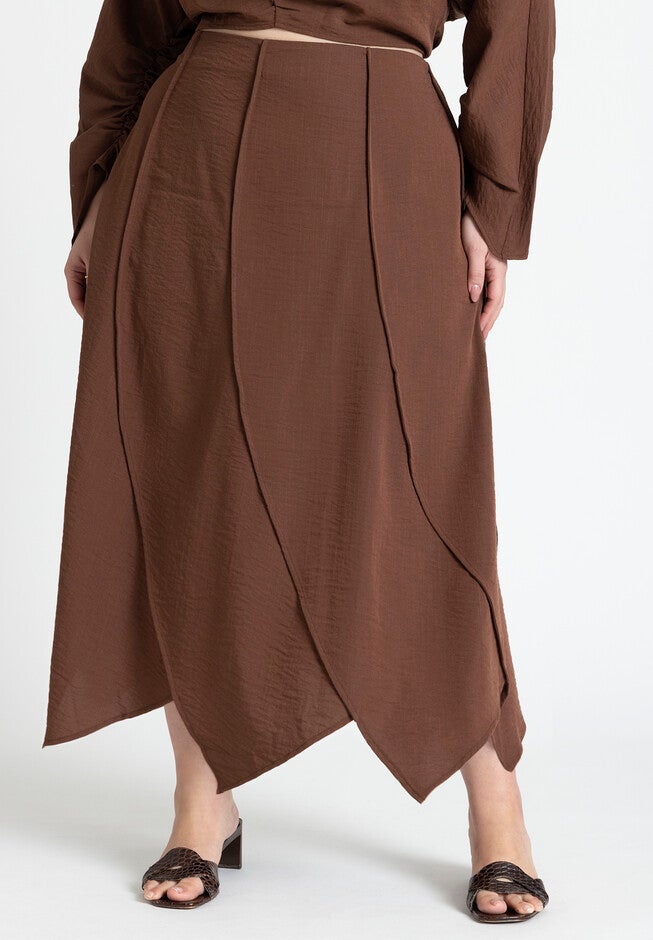
This year, fashion and fine art collide in unexpected ways. Designers are embracing the seam as a statement, not just of style but of philosophy. A skirt, for instance, is no longer a mere garment but a narrative of resilience, its seams echoing the lines of ancient maps or the cracks in parched earth. The act of sewing becomes a ritual, a meditative practice that elevates the mundane to the monumental. In this light, the seam is a bridge between the human and the divine, a testament to the idea that even the smallest details are part of a grander design.
The Soil: Earth as the Ultimate Canvas
If the seam is the thread of divinity, then the soil is its foundation. In 2026, artists are digging deep—literally and metaphorically—into the earth to uncover new dimensions of expression. The soil is not just a medium; it is a collaborator, a silent witness to the passage of time. From the cracked, parched earth of drought-stricken landscapes to the fertile loam that nurtures life, the soil becomes a character in the story of art, its textures and hues dictating the mood of the piece.
This year, expect to see art that is as much about the process as it is about the final product. Artists are using natural pigments, organic materials, and even living organisms to create works that evolve over time. A painting might bloom with moss, or a sculpture could crumble and regrow, mirroring the cyclical nature of existence. The soil, in this context, is a reminder of our interconnectedness with the planet—a call to reconnect with the earth in an age of digital detachment.
Consider the way a polar bear, a creature of ice and snow, might be reimagined through the lens of soil. What if its fur were not white but streaked with the ochre and umber of desert sands? What if its paws pressed into the earth, leaving behind not just footprints but stories? The soil challenges us to see beyond the surface, to recognize that even the most pristine landscapes are built on layers of history, decay, and renewal.
The Small: Elevating the Unseen to the Sacred
In a world obsessed with grandeur, 2026 art dares to celebrate the small—the overlooked, the ignored, the quietly persistent. The small is not about size but significance. It is the whisper in a world of shouts, the detail that changes everything. Artists are turning their attention to the minutiae of life: the way light filters through a leaf, the texture of a stone, the fleeting expression on a stranger’s face. These are not just subjects; they are revelations.
The small is also about intimacy. In a digital age, where connections are often superficial, art is inviting us to slow down, to notice, to care. A skirt’s hem, frayed at the edges, becomes a meditation on impermanence. A polar bear’s paw print in the snow is not just a footprint but a symbol of survival in a changing world. The small teaches us that meaning is not always found in the monumental but in the moments that linger just beyond our notice.
This year, expect to see art that is deeply personal yet universally resonant. The small is the thread that connects us all, the common denominator in a world of infinite diversity. It is a reminder that even the humblest of things can carry the weight of the divine.
The Holy Trinity: A New Vision for Art and Life
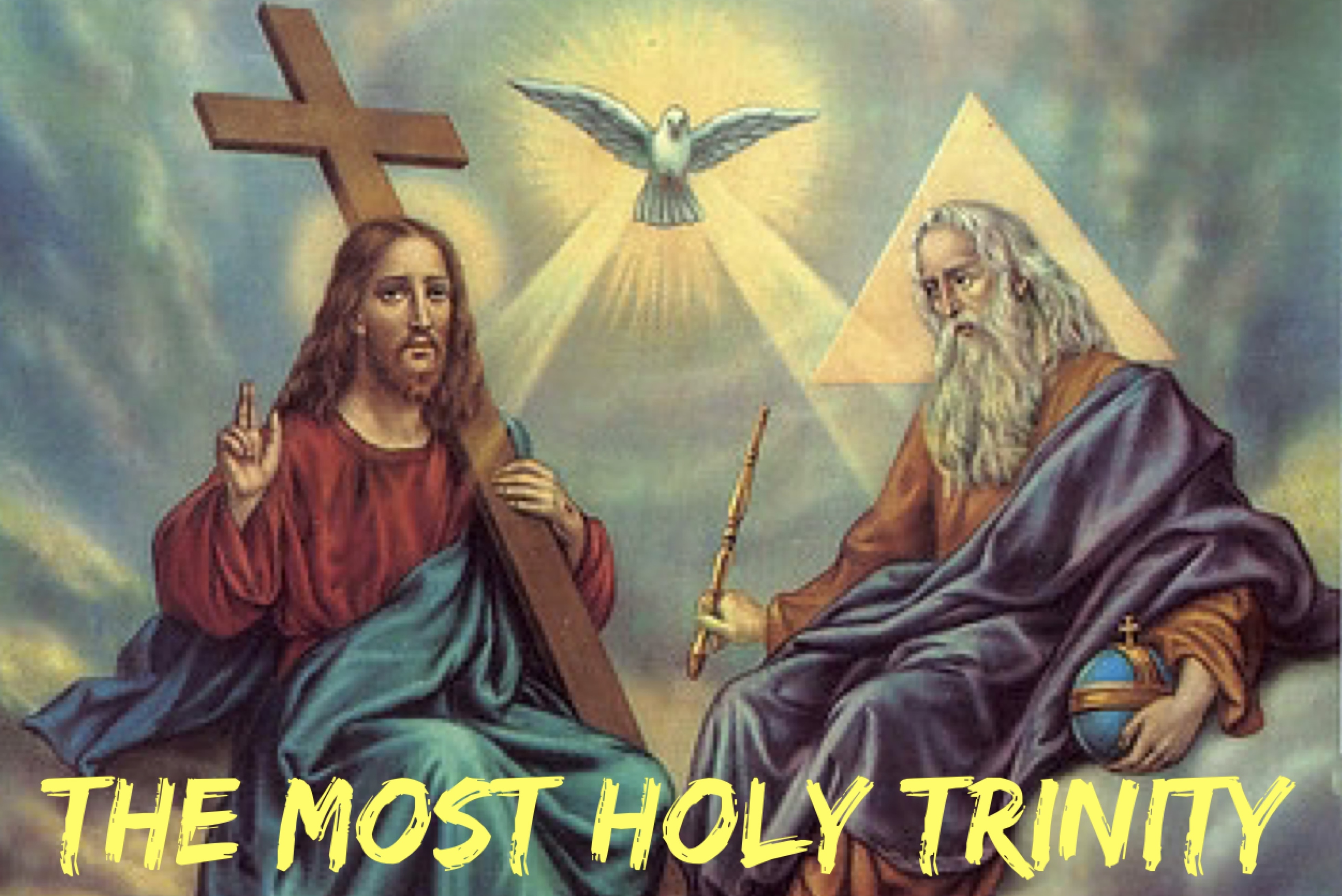
The seam, the soil, and the small are not just artistic themes; they are a manifesto for a new way of seeing. Together, they form a holy trinity—a triad of concepts that promise to shift our perspective and ignite our curiosity. The seam teaches us about the beauty of precision and intention. The soil reminds us of our roots and our responsibility to the earth. The small invites us to find wonder in the everyday.
In 2026, art is not just something to be admired from a distance; it is something to be experienced, to be lived. It is a call to slow down, to look closer, to feel deeper. The polar bear, the skirt, the soil—each is a piece of a larger puzzle, a puzzle that invites us to see the world anew. This is not art for art’s sake; it is art for life’s sake.
As we stand on the precipice of this artistic renaissance, we are reminded that the most profound transformations often begin with the smallest of steps. The seam, the soil, and the small are not just trends; they are portents of a future where art and life are inseparable. They are the whispers of 2026, promising a world where every detail matters, every moment is sacred, and every act of creation is an act of devotion.
The question is no longer what art will look like in 2026, but how it will change the way we see ourselves and the world around us. The holy trinity of the seam, the soil, and the small is not just a vision—it is an invitation. Will you answer?


Leave a Comment