

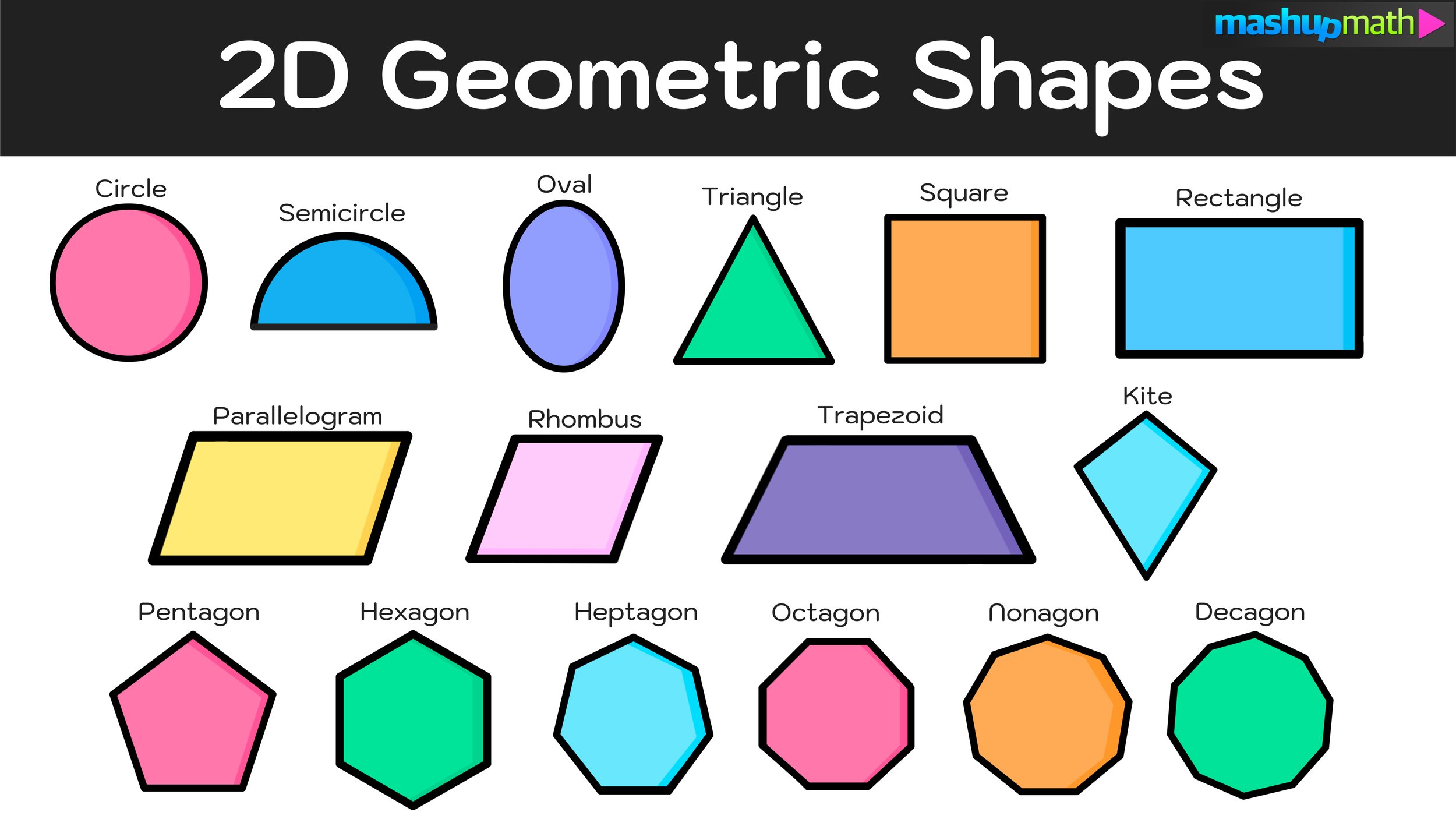
In the vibrant world of art, understanding the elements that constitute visual composition is invaluable. Among these elements, shape plays a paramount role, often serving as the foundation upon which artists build their masterpieces. Shapes can be categorized into two primary types: geometric and organic. This exploration of geometric versus organic forms will not only elucidate their distinct characteristics but also showcase visual examples that bring these concepts to life.
Geometric shapes are the epitome of precision and structure, forged from mathematical equations and characterized by clear lines and distinct angles. Common examples include circles, squares, triangles, rectangles, and polygons. These shapes are often seen in architectural designs, graphic arts, and modern sculpture, where order and symmetry create a sense of stability and predictability.
For instance, a square embodies reliability and uniformity; its four equal sides offer a sense of balance that resonates well in design contexts. Singapore’s Esplanade – Theatres on the Bay is an architectural marvel that utilizes geometric shapes to create a cohesive identity. The angular forms of the building complement the vibrant cultural activities within, allowing spectators to feel a structured, yet artistic experience.
On the other hand, organic shapes defy the constraints of geometry. In nature, few forms exhibit the precision of geometric shapes — instead, they are characterized by their irregularity and fluidity. Organic shapes often resemble the contours found in nature, such as the curvature of a leaf, the silhouette of a cloud, or the undulating lines of a river. These forms stir emotions, evoking feelings of spontaneity and freedom.
Consider the intricate forms of a seashell or the gentle undulations of a flower’s petals. These organic shapes can inspire artists to create works that resonate with the complexities of the natural world. Take, for instance, the works of sculptor Henry Moore, who masterfully molded organic shapes that seem to erupt from the earth itself, reflecting the inherent beauty of nature.
When drawing a distinction between geometric and organic shapes, one cannot overlook the emotional impact each embodies. Geometric shapes often portray a sense of calm and order, whereas organic shapes are more expressive and dynamic. This contrast can be brilliantly illustrated through the works of artists such as Wassily Kandinsky, whose abstract compositions juxtaposed sharp angles against sinuous lines, inviting viewers into a dialogue between structure and spontaneity.
Artists frequently utilize both geometric and organic shapes within a single composition, creating tension and harmony. For example, in abstract expressionism, one might observe the underlying geometric framework of a painting enveloped in organic swathes of color. This synthesis of forms showcases the artist’s dexterity in harmonizing structure with freedom.
In graphic design, the interplay between geometric and organic shapes is pivotal. A logo might feature sleek, geometric lines that communicate professionalism, while playful organic elements may soften the overall appearance, infusing warmth. Brands such as Apple and Starbucks exemplify this balance, using geometric shapes for their logos while incorporating organic themes in their product designs and marketing materials.
The practical applications of these shapes extend beyond aesthetics. Artists, designers, and architects alike manipulate geometric and organic forms to achieve their desired effects. In landscape architecture, pathways may be designed using geometric shapes for navigational clarity, while the surrounding vegetation may flourish in organic arrangements that mimic nature’s contours, creating a serene environment that invites exploration.
In the realm of education, understanding shapes is foundational in teaching young minds about visual literacy. By engaging with both geometric and organic forms, students can develop spatial awareness and critical thinking skills. Activities that involve constructing models from geometric shapes or drawing organic forms encourage creativity while reinforcing fundamental artistic principles.
A striking example of geometric and organic forms coexisting might be observed in the architecture of the Guggenheim Museum in Bilbao, Spain. Designed by Frank Gehry, the building showcases a complex interplay of geometric structures and fluid, organic silhouettes. The exterior, with its metallic surfaces and sweeping curves, creates a visual narrative that captures movement and interaction, mirroring the dynamic nature of contemporary art.
As one delves deeper into the concept of shapes, it becomes evident that they transcend mere visual representation; they are laden with meaning and emotion. The choice of using geometric or organic forms can significantly alter the viewer’s perception and emotional response to a piece of art. This is why artists must thoughtfully consider their use of shape when creating work, as it can profoundly impact storytelling and thematic expression.
In conclusion, shape is a foundational element of art that encompasses both geometric and organic forms. Each type contributes a unique character and emotional quality to artistic expression. By merging these forms, artists can create visually compelling narratives that invite interpretation and provoke thought. Whether through the crisp lines of geometric shapes or the gentle curves of organic forms, the exploration of shape allows for endless possibilities in the realm of creativity.





Leave a Comment