

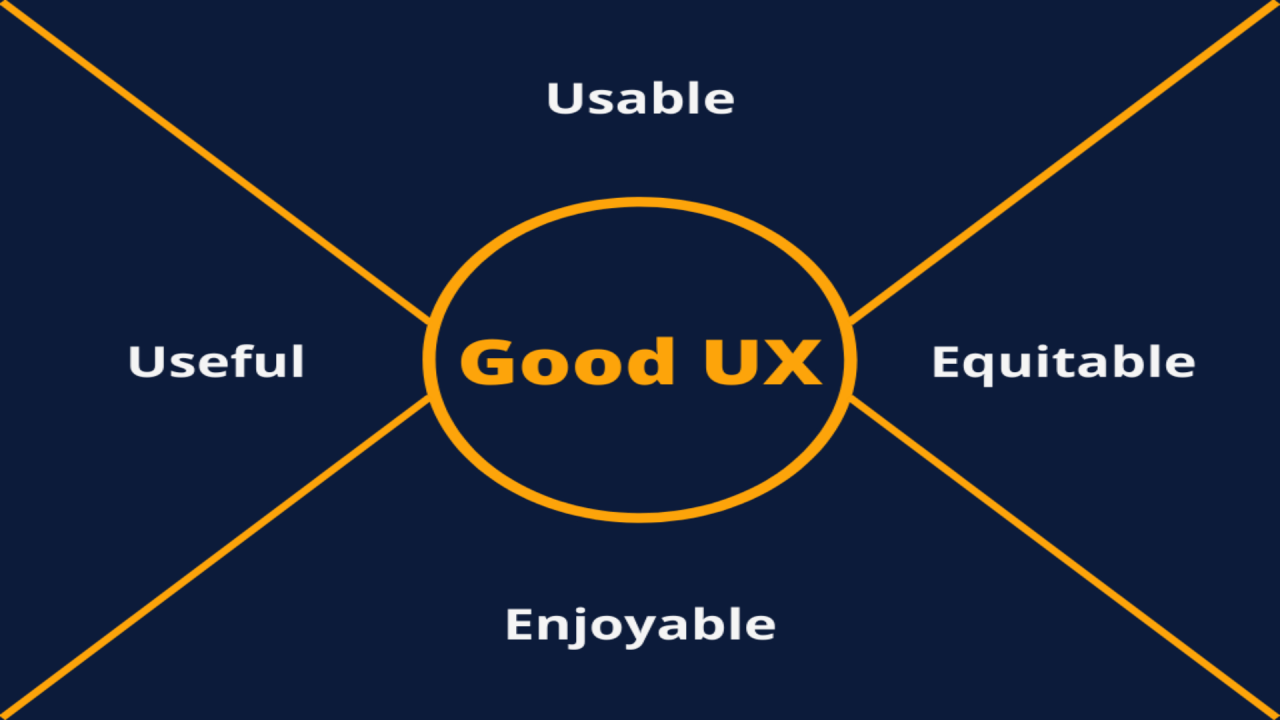
In the realm of design, the universe operates on a set of principles that govern how we perceive and interact with the world around us. These principles serve as the foundational stones upon which remarkable user experiences are built. When it comes to User Experience (UX) design, these principles—often likened to the stalwart pillars of an ancient temple—invoke a sense of balance and harmony. Each pillar is a unique element that plays a crucial role in forging paths of engagement, simplicity, and satisfaction in the user’s journey. Let us dive into the intricacies of these seven pillars of UX design that pave the way for more meaningful interactions.
1. Usability: The Key to Effortless Navigation
Usability acts as the compass guiding users through the nebulous corridors of your digital creations. Imagine a labyrinthine library, filled with endless shelves of knowledge; usability ensures that the desired tomes are easily within reach, for even the most casual explorers. It’s about crafting intuitive interfaces that demand little cognitive effort. This pillar stresses the importance of clear actions and logical pathways, compelling users to embark on their tasks with confidence. The overarching goal is to minimize friction, thereby elevating the overall experience.
2. Utility: More Than Just Functionality
Utility embodies the essence of providing value through functionality. Picture a Swiss Army knife: each tool intricately designed for a specific purpose, yet all contributing to a greater utility. Similarly, in UX design, utility manifests in features that serve users’ needs, allowing them to accomplish what they set out to do. This pillar compels designers to ask whether every element serves a purpose, ensuring that nothing is superfluous. Bloat and confusion have no place as they detract from the clarity and efficiency that users seek.
3. Equity: Design for Diversity
Equity in UX design evokes the imagery of a bridge spanning diverse landscapes, welcoming all who wish to cross. This pillar emphasizes designing with inclusivity in mind—recognizing that users come from varied backgrounds, cultures, and abilities. By employing accessible design principles, such as contrasting color schemes for visually impaired users and simplified language for those who may not be fluent in the dominant language, equity fosters a sense of community. A user-friendly experience honors the uniqueness of every individual, cultivating engagement and loyalty.
4. Enjoyment: The Art of Engagement
While functionality is crucial, enjoyment injects vibrancy into the user experience. It is the aesthetic appeal, the whimsical animations, and the delightful interactions that lure users into a captivating embrace. Consider a gourmet meal laden with flavors that dance upon the palate; enjoyment in UX should evoke similar sensations. This pillar involves layering charm and artistry onto the structural design, creating a delightful, memorable experience that keeps users coming back, hungry for more.
5. Clarity: The Crystal-Clear Lens
If usability is the compass, clarity serves as the lens through which users view the digital landscape. It enhances comprehension, stripping away ambiguity and obscurity. Imagine looking through a foggy window versus a pristine one; clarity ensures that users engage with your design unencumbered by misunderstandings. Visual hierarchy, concise language, and effective use of whitespace collectively contribute to creating an experience that resonates with lucidity. Users should feel confident in their understanding, fostering a seamless transition from intention to action.
6. Feedback: The Conversation Between User and Design
Feedback operates as a dialogue, a conversational exchange that reinforces user actions. Think of it as the gentle nod or a reassuring smile one gives in response to a query. This pillar emphasizes the necessity of providing timely and relevant feedback, whether through notifications, confirmations, or visual cues. When users take an action—like submitting a form—they seek reassurance that their intentions have been recognized. Feedback not only enhances engagement but also builds trust, reassuring users that they are on the right path.
7. Consistency: The Thread of Cohesion
Lastly, consistency weaves the individual elements of design into a harmonious tapestry. This pillar conveys a sense of familiarity, much like the recurrent themes in a beloved novel. By ensuring that design styles, language, and behaviors remain uniform throughout the user experience, consistency fortifies expectations. Users will not second-guess their interactions when familiar elements recur—they’ll feel at ease, as if wandering through a well-known sanctuary. Through consistent design language, trust is not merely built; it flourishes.
The seven pillars of UX design—usability, utility, equity, enjoyment, clarity, feedback, and consistency—are not solitary entities; rather, they exist in a symbiotic relationship with one another, each interlaced into the very fabric of user experience. By recognizing their importance and their intricate interplay, designers can cultivate unparalleled experiences that elevate the mundane into the extraordinary. Just as architects adhere to fundamental principles to construct enduring edifices, so too must UX designers honor these pillars to build user experiences that remain etched in the memories of those who traverse their digital landscapes.






Leave a Comment