

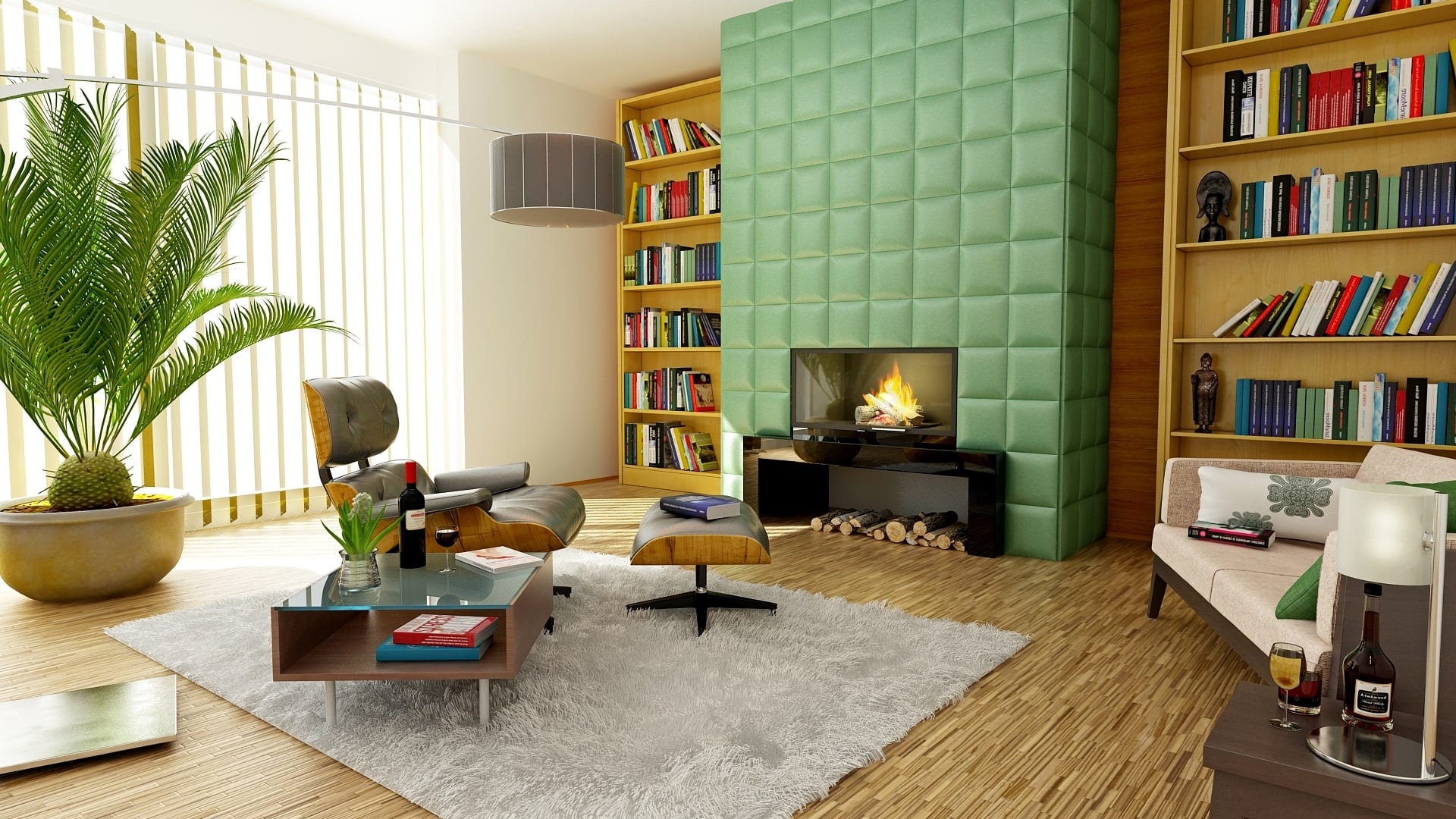
In the realm of artistry, color serves as a magician’s wand, capable of casting spells of emotion, ambiance, and focus. A thoughtful application of color schemes can transform an ordinary canvas into a mesmerizing visual spectacle that captivates the viewer’s attention. Understanding and employing the principles of design, particularly through color strategies, can enable artists and designers to create powerful visual focal points that are both striking and harmonious.
Understanding Focal Points
Before delving into the myriad color schemes available, it is essential to grasp the concept of a focal point. A focal point in artwork is akin to a sun around which the planets revolve; it is the primary area of interest that draws the viewer’s eye and anchors the composition. Without a focal point, a piece may feel disjointed, akin to a quilt without a pattern. Psychologically, viewers gravitate towards areas of high contrast and dynamic elements, making it critical to weave these elements into the fabric of your design.
The Role of Color Schemes
Color schemes act as a palette from which artists can paint their vision. By understanding various schemes—monochromatic, analogous, complementary, and triadic—creators can skillfully wield color to guide the viewer’s experience. Each scheme has its own distinct personality, akin to the various moods in a symphony.
Monochromatic Schemes
Monochromatic color schemes utilize varying shades, tints, and tones of a single hue. This approach creates a serene and cohesive look, allowing for subtle intricacies to emerge. Imagine a tranquil landscape at dusk, awash in shades of deep blue transitioning to softer cerulean; the varying depths evoke peace and contemplation. Utilizing a monochromatic scheme can create a sense of harmony while also allowing for a sophisticated exploration of texture within the confines of one color.
Analogous Color Schemes
Analogous colors lie adjacent on the color wheel and often share a common undertone. This scheme evokes a harmonious yet vibrant aesthetic. Picture the golden yellows, warm oranges, and passionate reds of a sunset—together they evoke warmth and energy, coaxing emotions from viewers like a gentle breeze ruffles the pages of a well-loved book. In art, employing analogous colors can create a seamless transition between visual elements, guiding the audience’s sight and evoking an emotional response.
Complementary Color Schemes
Complementary color schemes, consisting of colors opposite one another on the color wheel, possess an inherent tension that can create striking focal points. These colors, when juxtaposed, create a dynamic visual experience. Think of the vibrant contrast of deep violet against a lush emerald green; the eye is instantly drawn to the interplay between the two, igniting vibrancy and drama. Artists can use complementary schemes to emphasize specific elements of their work, drawing the viewer’s eye toward critical features.
Triadic Color Schemes
Triadic color schemes consist of three colors evenly spaced on the color wheel, fostering a vivid and balanced color palette. Utilizing this method can generate a sense of vitality and engagement, much like a well-orchestrated dance. Picture a canvas splashed with the bold combinations of azure, crimson, and lemon—each hue sings in harmony, yet retains its individuality. This scheme encourages the use of color to facilitate focus, creating energetic contrast while still maintaining compositional equilibrium.
Creating Visual Focal Points
To craft powerful visual focal points, the selected color scheme must be intertwined with other principles of design such as balance, contrast, and movement. Employing high contrast in areas where colors converge can significantly enhance focus. For instance, a vibrant orange flower against a muted green backdrop will draw the viewer’s eye as sharply as lightning cuts through the night sky, compelling the viewer to explore the nuance of the surrounding elements.
Analysis of Color Relationships
Artists should also consider the psychological implications of color. Each hue can evoke varied emotions and associations; warm colors often elicit feelings of warmth and excitement, whereas cool colors tend to convey calm and tranquility. As such, the careful selection of colors can evoke a specific mood or theme, forming a connection between the artwork and its audience. A dramatic juxtaposition—a deep crimson blossom against a twilight backdrop—can convey passion and upheaval, stirring an emotional response that resonates long after viewing.
Textural Interaction with Color
Texture can amplify the power of color in an artwork, creating a visceral experience. The interplay of textural elements—smooth versus rough, matte versus glossy—enhances how colors are perceived. Consider a lavishly textured surface where rich ochres and deep vermilions interplay; the depth of the texture heightens our perception of the colors’ luminosity, as if each hue is alive and breathing. This exploration of texture combined with color creates a tactile experience that invites viewers to engage not just visually, but physically.
Conclusion: The Art of the Focal Point
Within the intricate dance of art and design, color schemes are the music that enables focal points to resonate. By thoughtfully employing the principles of design, artists can master the craft of guiding viewers’ eyes through a carefully constructed visual narrative. Whether invoking serenity through monochromatic harmony or stirring dynamic tension via complementary contrasts, the possibilities are as endless as the imagination itself. Ultimately, the art of creating visual focal points through color schemes is about more than mere aesthetics; it is about crafting an experience that resonates within the soul, inviting viewers to look deeper into the canvas laid before them.






Leave a Comment