

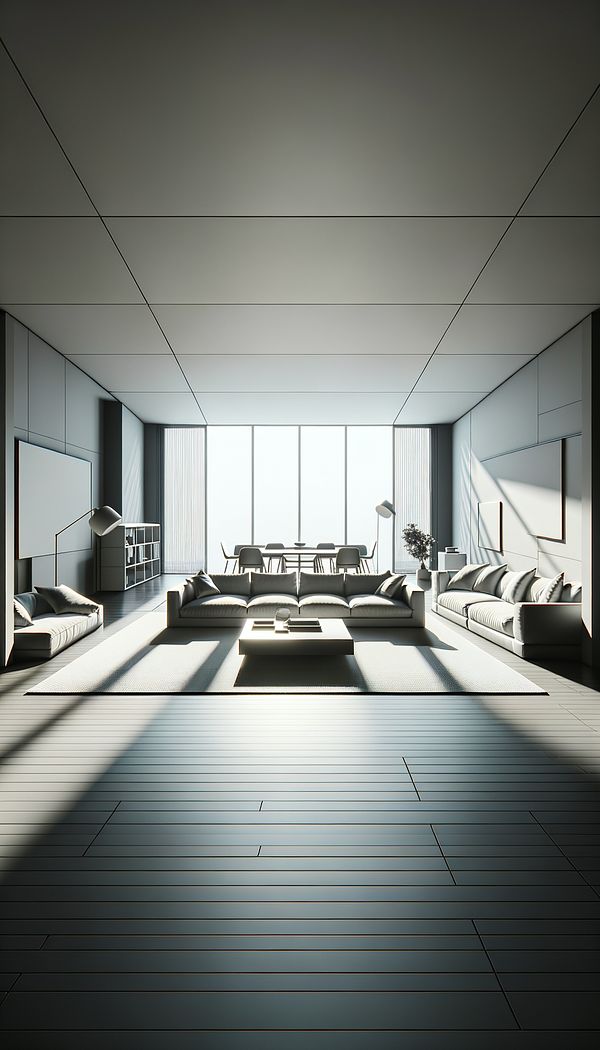
When we think of interior design, we often inundate our minds with color palettes, furnishings, and accessories, leaving little room for one of the most crucial—and sometimes overlooked—elements: negative space. Have you ever paused to consider how the empty areas in a space can significantly influence the overall aesthetic? What if the key to creating balance and elegance in your interior design lies in mastering the art of negative space? This exploration delves deep into the principles of design, focusing on how negative space can elevate your interiors.
To begin, let’s clarify what negative space is. In the realm of art and design, negative space refers to the unoccupied or empty areas surrounding the positive forms—those are the actual objects and decor within a space. It forms the background within which these elements exist, framing and defining them. Think of it as the silent partner in a visual conversation; without it, the positive forms might struggle to speak at all.
Understanding negative space is paramount for creating a design that feels harmonious, purposeful, and aesthetically pleasing. While positive elements can attract attention, negative space allows the eye to rest, guiding viewers through the room in a thoughtful manner. The interplay between these two components can lead to a serene and balanced environment, but achieving this equilibrium can be quite the undertaking.
One of the profound advantages of leveraging negative space is that it redraws our attention towards the objects we cherish. For instance, an exquisitely crafted sculpture or an intricate painting is often overshadowed in a cluttered setting. By intentionally using negative space, designers can enhance these focal points, providing them with the prominence they deserve. Imagine your beloved vintage clock. Without negative space, it could easily be lost in a sea of competing visuals. However, when surrounded by well-considered empty areas, it becomes a striking centerpiece, inviting admiration.
Now, let us discuss how to effectively utilize negative space in interior design. The journey begins with a clear vision. As you curate each element within your space, contemplate how it interacts with surrounding objects and, crucially, with the empty areas. Are you achieving a sense of fluidity or inadvertently creating chaos?
**1. Balance and Harmony:**
A fundamental principle of interior design is achieving balance, both visual and structural. The intentional usage of negative space helps maintain this equilibrium. For example, in a room where large furniture pieces dominate, employing negative space around those items can create a sense of calm and ensure that they do not overwhelm the space. Use larger negative spaces for larger pieces, and smaller negative spaces for smaller elements.
**2. Creating Flow:**
Another critical aspect of negative space is its role in facilitating movement and flow within a room. When designing a layout, consider how individuals move from one area to another. Does your arrangement create bottlenecks, or does it invite fluid navigation through the space? A lack of negative space can lead to a sense of confinement, while thoughtful placement can encourage people to explore and enjoy every nook and cranny. Visual pathways created through negative space can make even the smallest areas feel expansive.
**3. Emphasizing Focal Points:**
The beauty of negative space lies in its ability to elevate focal points within a room. Consider an elegantly styled console table adorned with a few select decorative objects. If the rest of the room is cluttered, those pieces may blend into the noise. However, introducing enough negative space around the table will create a spotlight effect, highlighting its significance and inviting attention to detail, textures, and forms.
**4. Color and Texture Considerations:**
When selecting colors and textures, keep in mind how they interact with both the positive and negative spaces. Light hues can amplify the sense of space, while darker tones can create intimacy. Textures also play a vital role; for instance, a plush rug can anchor a room, while smooth, polished surfaces surrounding it can enhance the airiness of the negative spaces, promoting a serene environment.
**5. Negative Space in Minimalism:**
Minimalism embraces negative space to the fullest by emphasizing simplicity and functionality. The minimalist approach serves as a poignant reminder that less is often more. In a minimalist interior, negative space becomes a vital design element, creating an atmosphere of tranquility and allowing the eye to focus on what is essential.
As you endeavor to incorporate negative space into your interior design scheme, consider the balance between your positive forms and the emptiness that surrounds them. Are you finding yourself veering towards excess? Imagine walking into a room that feels tight and cramped, versus one that breathes with open spaces. Can you envision the emotional impact such contrasts could create?
In conclusion, the principles of design, particularly focusing on negative space, are pivotal in achieving a sense of balance and elegance in interior spaces. The challenge lies in becoming aware of these elements and making intentional choices that resonate with your personal style, while also inviting gracefulness into your home environment. Embrace the art of negative space, and you may very well transform your interiors into sanctuaries of sophistication and serenity.






Leave a Comment