

Art, in its multifaceted glory, invites the observer into a realm of creativity, emotion, and expression. Among the foundational tenets guiding this exploration are the principles of design, each serving as a lens through which we can appreciate and critique artistic endeavors. Among these principles, variety remains an enigmatic yet vital component, skillfully intertwining aesthetics with deeper meanings and inviting viewers to explore beyond the surface.
Defining variety within the principles of design involves acknowledging its role as a tool to inject diversity into a composition. It encompasses the use of differing elements, contrasts, and variations that break the monotony, thereby captivating the audience’s attention. In a world often characterized by uniformity, variety serves as a breath of fresh air, inspiring curiosity and engagement. It holds the power to evoke emotional responses and encourage introspection, making it a crucial aspect of both fine and commercial art.
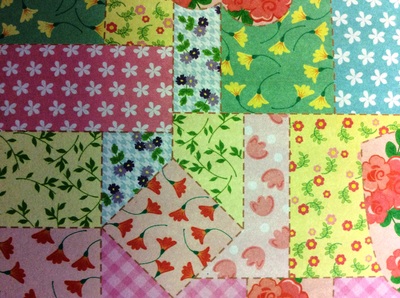
At its core, variety manifests in several dimensions of art and design. These dimensions include, but are not limited to, color, texture, shape, and form. Each element contributes uniquely to the overall composition, presenting opportunities to engage viewers in various ways. For instance, an artist might employ a kaleidoscope of colors to evoke contrasting emotions or to signify differing themes. In this case, the interplay of hues not only beautifies the artwork but also invites a more profound contemplation on the dichotomy of feelings—joy versus sorrow, warmth versus coolness.
Texture, another vital element of variety, adds an additional layer of sensory experience. The confluence of smooth and rough textures can draw the audience’s attention, prompting them to explore the piece more thoroughly. For example, a painting depicting a serene landscape may blend smooth, flowing lines with rough, jagged edges, symbolizing the duality of tranquility and chaos inherent in nature itself. This contrast encourages viewers to grapple with their interpretations and recall personal experiences that resonate with the artwork’s emotional core.
Shape and form further exemplify the principle of variety. Artists often juxtapose geometric shapes with organic forms to evoke a sense of tension or harmony within a composition. This interplay not only enhances aesthetic appeal but also stimulates intellectual engagement. For instance, a modern sculpture might marry stark angular forms with fluid curves, prompting viewers to consider the dialogue between nature and industry, chaos and order. Such an exploration encourages deeper engagement with the artwork and offers a platform for debate, exploration, and ultimately, understanding.
The powerful impact of variety is perhaps best illustrated through prominent art movements. Take the vivacity of the Impressionist movement, for instance. Artists like Claude Monet and Edgar Degas embraced variety by employing diverse brush strokes, colors, and perspectives. Their groundbreaking techniques strayed from realism, resulting in dynamic landscapes and vibrant scenes that conveyed raw emotion. The sheer variety in their work resonated with audiences, challenging preconceived notions of representation in art. This radical approach created a lasting legacy and inspired future generations of artists to explore and redefine the boundaries of creativity.
Another poignant example of variety in design is found in contemporary digital art, where the marriage of diverse elements can produce remarkable results. Graphic designers often incorporate contrasting fonts, colors, and imagery to create compelling advertisements or social media visuals. In this realm, variety serves as a crucible for innovation, compelling viewers to engage with the brand on an emotional level. The strategic use of varied components can encourage curiosity, evoke feelings of nostalgia, or stimulate a desire for authenticity, fostering a connection that transcends the screen.
Moreover, the significance of variety extends to interior design. An expertly curated space harmonizes disparate elements to evoke comfort, inspiration, or intrigue. A living room adorned with an amalgamation of textiles—such as a plush velvet sofa, woven baskets, and angular metal accents—illustrates variety in a way that stimulates tactile and visual engagement. Such versatility appeals to the beholder’s senses and emotions, creating an environment that is both stimulating and harmonious. This concept can also reflect the occupants’ personalities, telling a story through conspicuous eclecticism or subtle cohesiveness.
However, it is essential to remember that variety must be employed judiciously. Excessive differences can induce chaos, leading to a disjointed composition that may alienate rather than attract. The thoughtful equilibrium between variety and unity facilitates a harmonious exploration of the principles of design. A well-designed piece must balance the intrigues of variety with the comforts of familiarity, ensuring that the audience’s journey is one of deliberate discovery rather than overwhelming confusion.
Ultimately, variety within the principles of design acts as a catalyst for connection. It beckons observers to embark on a journey of exploration, inspiring thoughts, emotions, and personal reflections. Whether expressed through stark contrasts or subtle nuances, the essence of variety engages our senses and intellect, beckoning us to linger, ponder, and delve deeper into the artistic experience. In a world where uniformity often reigns, the principle of variety stands as a testament to the richness of diversity and the complexity of human experience, both in art and life. By embracing this principle, we can explore the infinite possibilities it presents, leading us toward a greater understanding of the artistic realm and ourselves within it.





Leave a Comment