

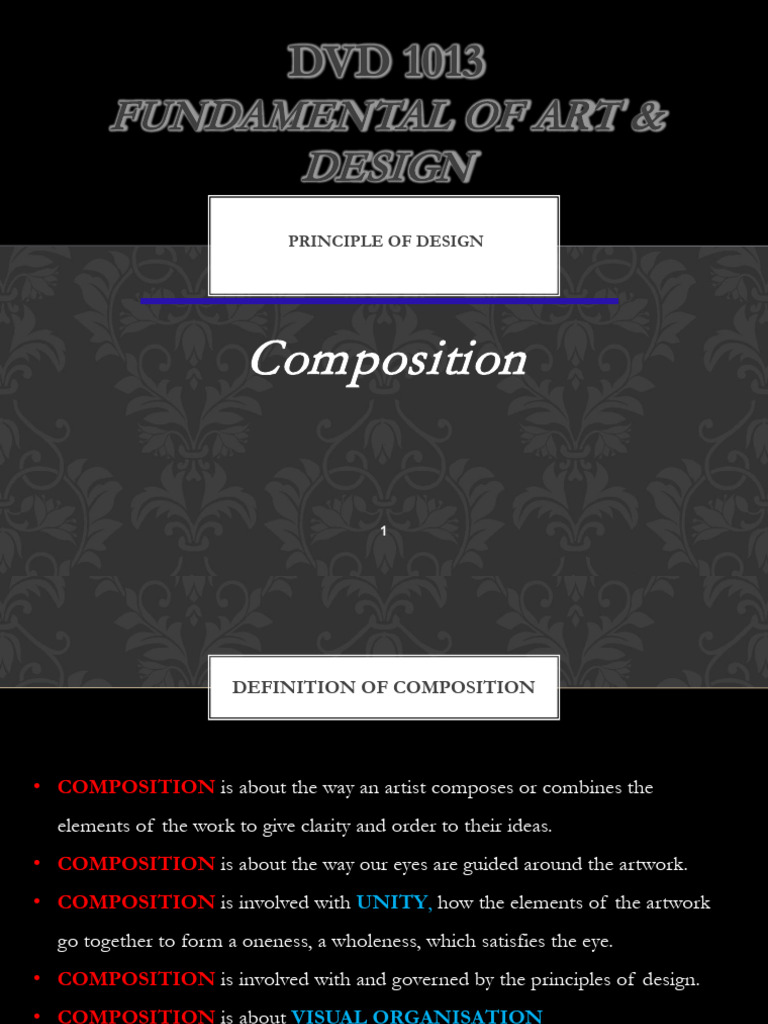
Art, in its myriad forms, intrigues and captivates us, bridging the gap between mere existence and profound expression. At the heart of most artistic endeavors lies a core set of principles known as the principles of design. Understanding these principles is essential, not just for artists, but for anyone who engages with art. They serve as a foundation for creating compelling compositions, fostering a dialogue between the artwork and the observer. Here, we delve into the fundamental principles of design, exploring how they define and translate into artwork composition.
The principles of design encompass various elements, each playing a pivotal role in crafting visual harmony and communicating ideas. While there are numerous ways to interpret these principles, we will illuminate the most significant ones: balance, contrast, emphasis, movement, pattern, rhythm, and unity. Each principle offers a unique aesthetic lens through which to view and create art.
Balance is the visual equilibrium achieved within an artwork. It is crucial for sustaining the viewer’s gaze and ensuring that the composition feels stable. There are two primary types of balance: symmetrical and asymmetrical. Symmetrical balance involves mirroring elements on either side of a central axis, creating a sense of order and predictability. In contrast, asymmetrical balance incorporates varying elements to create tension and interest, granting a dynamic, energetic quality to the composition. Artists must skillfully manipulate balance to evoke desired emotional responses in their audience.
Following balance is the principle of contrast. This principle revolves around juxtaposing disparate elements to highlight differences and create visual interest. Contrast can manifest through color, shape, size, texture, and more. For instance, a stark red against a pale backdrop can illuminate focal points, guiding the viewer’s eye where the artist intends. This interplay enriches the narrative within the artwork, compelling observers to engage with the composition more attentively.
Moreover, the principle of emphasis directs the viewer’s attention to specific elements deemed most critical within the artwork. Artists employ various strategies—such as contrast, scale, color, and placement—to establish a focal point. This hierarchical structure within the composition encourages an exploratory journey, inviting onlookers to decipher the layers of meaning woven throughout the piece. Without emphasis, artworks may appear chaotic or unfocused, leaving audiences disenfranchised and uninspired.
The inherent movement in a composition leads the viewer’s eye through the artwork, establishing an experiential rhythm. When designed effectively, movement creates a sense of progression and continuity, making the composition more engaging. Artists often use lines, shapes, and spatial relationships strategically to guide the observer’s gaze along a predetermined trajectory. In doing so, they foster an emotional resonance that lingers long after the initial encounter.
Pattern stands as a recurring motif within the principles of design. It consists of repetitive elements that form a cohesive visual structure, instilling predictability and rhythm. Patterns can be overt, such as intricate textiles, or more subtle, like a series of brush strokes in a landscape. The implementation of pattern invigorates the composition, conjuring a visual symphony that evokes a myriad of associations within the viewer’s mind, often nurturing a closer connection to the work.
Rhythm stays closely intertwined with pattern but extends beyond mere repetition. It embodies a flow, akin to music, stirring emotions and initiating dialogues within the composition. Artists use varying intervals, pacing, and dynamic changes to construct rhythm, compelling viewers to engage not just visually, but also emotionally. This delicate interplay of rhythm and visual forces adds an additional layer of complexity that can enhance the narrative, often reflecting the tumult of life itself.
Lastly, the principle of unity brings all elements together into a harmonious whole. Unity emerges when disparate components coalesce into a cohesive composition, creating an overarching sense of completeness. Artists often employ techniques such as color harmony and thematic consistency to foster this effect. A sense of unity not only resonates aesthetically but also conveys a sincere message—binding the viewer more closely to the artwork’s narrative thread.
Understanding these principles of design cultivates a deeper appreciation for both the creation and analysis of art. They serve as a framework that informs the decision-making process, enabling artists to transcend mere technical skill and tap into the emotional and intellectual tapestry of the viewer’s experience. Each principle intertwines with the others, creating multidimensional possibilities for expression and comprehension.
Furthermore, grasping the significance of these principles can lead observers to draw connections between artworks and the peculiarities of human emotion. Art elicits feelings—joy, sorrow, nostalgia—and the principles of design are instrumental in navigating these emotional landscapes. Every brushstroke, color choice, and spatial arrangement speaks to the intricate interplay of creativity and intention, inviting viewers to explore not only the artwork but also their own internal narratives.
Art does not exist in a vacuum; it reflects society, culture, and the complexity of human thought. By honing one’s understanding of the principles of design, both artists and patrons can foster a more profound engagement with the visual world around them. Whether one finds solace in a tranquil landscape or exhilaration in an abstract composition, the principles employed in its creation enhance the connection between the observer and the artwork, unraveling the intricacies of artistry that lie at the very heart of the human experience.






Leave a Comment