

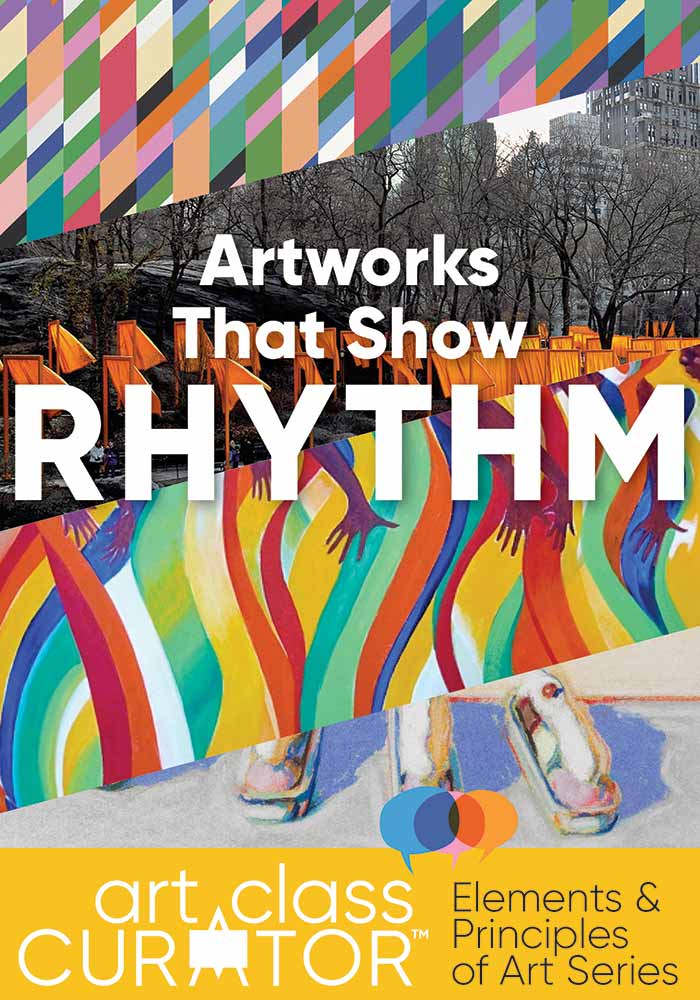
Art, in its myriad forms, serves as a reflection of human emotion, thought, and culture. Among the foundational elements that inform the creation of captivating artwork is the principle of design known as rhythm. In the same way that music flows with rhythmic patterns, visual art employs similar techniques to guide the viewer’s eye and convey dynamic movement. This article delves into how artists achieve rhythm in their work, exploring varied techniques and examples that elevate the visual experience.
Understanding rhythm in art necessitates a departure from traditional perceptions of linearity and symmetry. Instead, rhythm introduces a certain cadence. It beckons the observer to savor each section of the artwork, creating an interactive dialogue between the piece and its audience. This fundamental principle encapsulates a sense of repetition and progression, embodying the essence of motion and time in a static form.
At its core, rhythm can be defined as the repetition of visual elements in a sequence or pattern. This interplay of elements harmonizes the artwork, creating a cadence that resonates with the observer. Consequently, rhythm can be achieved through various techniques, including repetition, alternation, and progression. Each technique offers a unique avenue for artists to explore the boundaries of visual expression.
Repetition is perhaps the most intuitive approach to establish rhythm. By replicating specific forms, colors, or motifs throughout the piece, artists cultivate a sense of unity. This technique can be exemplified in the practices of renowned painter Gustav Klimt. His intricate patterns, featuring repeated geometric shapes and swirling forms, invite viewers to experience a visual rhythm that transcends mere ornamentation. Notably, the iconic “The Kiss” showcases how repetition enhances the overall aesthetics while simultaneously guiding the viewer through the emotions encapsulated within the embrace of the figures.
Yet, rhythm transcends mere reproducibility; it thrives on variation within repetition. This brings us to the technique of alternation, wherein contrasting elements are deployed in tandem. The play between light and dark, smooth and rough, or large and small creates a rhythmic progression that enlivens the space. The works of Piet Mondrian epitomize this. His abstract compositions, characterized by primary colors and geometric forms, alternate between vibrant hues and stark whites, generating a compelling visual rhythm that draws the eye across the canvas.
Moreover, progression introduces a dynamic component to the visual narrative. This technique involves the gradual change of elements over the course of a piece. Artists often utilize this approach to suggest movement or growth, imparting a sense of temporal passage. A vivid illustration of this technique can be found in the work of Claude Monet, particularly in his celebrated series of water lilies. The progressive variations in color and brushstroke echo the ephemeral qualities of light and reflection, thereby crafting an immersive rhythm that envelops the viewer in nature’s cocoon.
When contemplating the encapsulation of rhythm in art, one must acknowledge its transformative power. Beyond its structural implications, rhythm crafts emotional dialogues. It evokes feelings of tranquility or tension depending on how it is utilized. For instance, a frenetic rhythm characterized by rapid repetition can instill a sense of chaos, while gentler, flowing rhythms may cultivate serenity.
Consequently, the significance of rhythm extends beyond mere aesthetics. It fosters an experiential journey, compelling the observer to engage with the artwork on a deeper intellectual and sensory level. Artists like Wassily Kandinsky deftly employed rhythm to translate emotions into visual forms. His abstract compositions resonate with inner turmoil and exuberance, capturing the viewer’s imagination through a vibrant rhythm that pulsates with life.
The techniques employed to create rhythm in artwork can also extend beyond the canvas. In installation art, for instance, the concept of rhythm may manifest through spatial relationships and the arrangement of elements in a three-dimensional space. Artists like Olafur Eliasson have experimented with rhythm in installations, utilizing light, sound, and movement to generate an immersive experience that captivates and surprises audiences. In this context, rhythm becomes a vehicle for interaction and exploration, inviting viewers to traverse the artwork physically.
Returning to the traditional canvas, the interplay of line and color serves as a crucial ingredient in achieving rhythmic continuity. The lines within a composition can either converge towards a focal point or diverge into the periphery, guiding the viewer’s gaze in a deliberate manner. Color, too, plays an essential role, with contrasting and complementary hues creating beats and pauses that impact the viewer’s emotional reception. The cyclical nature of these elements can forge a rhythm that perpetuates curiosity—a resonant beat that entices viewers to linger a moment longer.
In conclusion, the exploration of rhythm within the realms of art fundamentally alters perspectives on visual interpretation. It is an intricate principle that weaves through varied techniques—repetition, alternation, and progression—delivering a harmonized experience that resonates with observers. Artists wield this power to transform static images into dynamic narratives, invigorating them with emotional weight and context. As you delve into the world of artwork, let the rhythm you encounter guide your journey, revealing the profound connections between form, emotion, and human experience.






Leave a Comment