

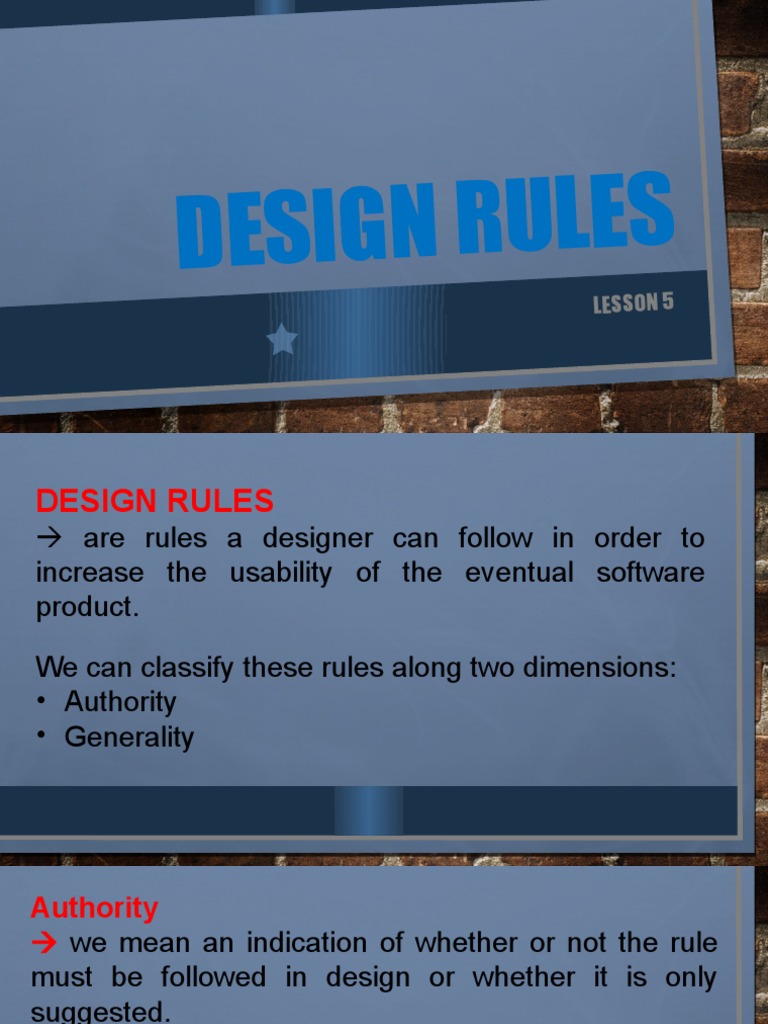
Design is an intricate tapestry woven from various threads, each representing a fundamental principle that guides the creation of visually compelling and effective compositions. Aspiring designers, whether they are novices or seasoned professionals, must cultivate a comprehensive understanding of these design rules. Below are, outlined in detail, the basic design principles that every designer should internalize and embrace, ensuring their work resonates with clarity and intention.
1. Balance: The Foundation of Harmony
Balance is the cornerstone of effective design. It refers to the distribution of visual weight within a composition. Designers often utilize two types of balance: symmetrical and asymmetrical. Symmetrical balance entails mirroring elements along a central axis, evoking a sense of order and stability. Asymmetrical balance, on the other hand, contrasts elements of varying sizes, colors, and shapes to create visual interest and dynamic tension. Mastering balance allows designers to evoke emotions, maintain viewer attention, and convey messages with potency.
2. Contrast: A Study in Differences
Contrast—one of the most potent tools in a designer’s arsenal—breathes life into visual narratives. By juxtaposing dissimilar elements, such as light against dark or large against small, designers can draw attention to specific areas of a composition. Contrast not only enhances visibility but also establishes a hierarchy, guiding the viewer’s gaze through the design. Utilizing contrast effectively can imbue a design with energy while ensuring clarity in the communication of information.
3. Emphasis: Highlighting Key Elements
In a world saturated with visual stimuli, emphasis acts as a beacon. This principle dictates that certain elements within a design should capture greater attention than others. Techniques to achieve emphasis include the use of size, color, shape, or texture to differentiate a focal point from its surroundings. A well-emphasized element becomes the centerpiece of the viewer’s experience, conveying the design’s core message or theme with astonishing clarity.
4. Movement: The Art of Direction
Like a river carving through a landscape, movement leads the viewer’s eye through a design. Designers can create movement through lines, shapes, and colors that guide the viewer’s journey across the composition. This principle can be particularly potent in sequential designs such as infographics or narrative illustrations. Incorporating movement effectively not only enhances visual storytelling but also fosters engagement, compelling viewers to explore the design more deeply.
5. Pattern: Repetition with Purpose
Patterns instill a sense of rhythm and structure within a design. By repeating visual elements, designers can create a cohesive look that unifies disparate components. Patterns can serve as backgrounds, textures, or decorative motifs, enriching the visual experience without overwhelming the viewer. Understanding the role of patterns paves the way for more intricate and harmonious designs, allowing for creativity within established frameworks.
6. Rhythm: A Dance of Repetition and Variation
Rhythm, akin to music, is the beat that composes a design. It emerges from the careful repetition of elements, interspersed with variations that add dynamism. This principle can evoke emotions, influence perceptions, and create a visual narrative that resonates with the audience. Designers can achieve rhythm through variations in spacing, color, and form, creating a delightful balance between predictability and surprise.
7. Unity: The Synthesis of Elements
Unity encapsulates the overall coherence of a design, tying together disparate elements into a singular entity. This principle ensures that all components feel interrelated, fostering a sense of belonging within the composition. Techniques to achieve unity include aligning elements, utilizing consistent color schemes, and incorporating repeating motifs. A unified design communicates a clear message and elicits a collective response from the audience, making it a fundamental principle for any serious designer.
8. Proximity: Crafting Connections
Proximity refers to the spatial relationship between elements within a design. Grouping related items facilitates comprehension and enhances the organization of information. By strategically positioning elements close together, designers can forge connections that guide the viewer’s understanding and interpretation. This principle can be particularly effective in layouts, where the arrangement of text and visuals influences the reader’s experience and engagement.
9. White Space: The Power of Emptiness
White space, often overlooked, is a vital component of good design. Also known as negative space, it refers to the unoccupied areas surrounding and between elements. Whitespace enhances clarity, reduces clutter, and allows designs to breathe. In a world that often favors maximalism, embracing white space can lead to sophisticated and elegant outcomes. It underscores key elements and provides the necessary room for the viewer to process information without distraction.
10. Grid Systems: Structuring the Chaos
A grid system serves as the structural skeleton of a design. It organizes content while allowing for flexibility in arrangement and the interplay of visuals. By providing a framework, grid systems can enhance consistency and coherence across various components of a design. They can be tailored to different mediums, ensuring a seamless transition between digital and print formats, thereby elevating the overall user experience.
Conclusion: The Designer’s Palette
As designers navigate the multifaceted world of visual communication, adhering to these fundamental principles of design is paramount. Each principle interlocks with the others, creating a robust foundation that supports effective design practice. By mastering these basic design rules—balance, contrast, emphasis, movement, pattern, rhythm, unity, proximity, white space, and grid systems—designers can craft works that are not only visually engaging but also resonate profoundly with their audience. Irrespective of the medium or project, these principles are timeless guides that elevate the design into a compelling art form.






Leave a Comment