

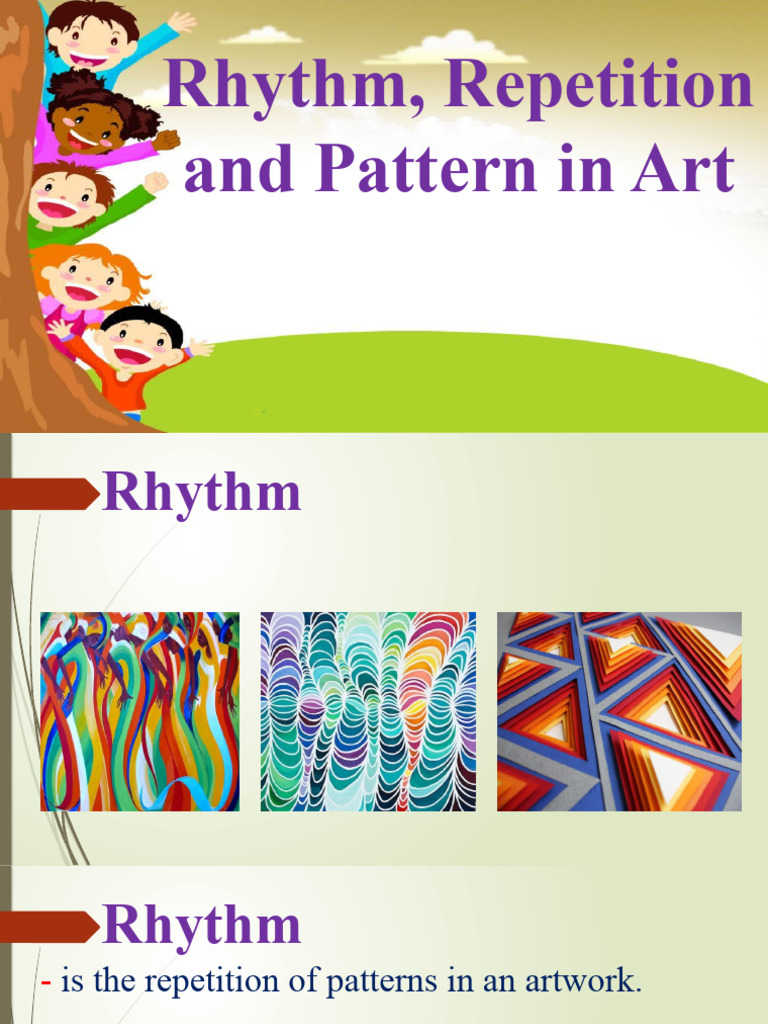
When delving into the realm of art, one discovers that the principles of design serve as foundational pillars. Among these principles, repetition stands out as a vital element that engenders rhythm in visual compositions. This article will traverse the landscape of artistic fundamentals, elucidating the mechanisms by which repetition fosters a sense of rhythm, thereby enhancing the aesthetic experience.
Understanding Repetition in Art
Repetition, in an artistic context, refers to the intentional duplication of elements within a composition. This can manifest through patterns, colors, shapes, or textures. The enchantment of repetition lies in its ability to create a coherent visual language, allowing viewers to navigate through a piece with ease. It establishes a sense of consistency, offering familiar anchors in what may otherwise be a chaotic arrangement of forms.
Defining Rhythm in Visual Composition
Just as rhythm is a fundamental aspect of music, it is equally crucial in visual art. Rhythm in art relates to the flow and movement within a composition, driving the viewer’s eye from one point to another. It is this guidance that permits an emotional narrative to unfold, inviting contemplation and engagement from the audience. When artists harness repetition, they can craft a visual tempo, encouraging viewers to linger on specific elements before progressing to others.
The Interplay of Repetition and Rhythm
The interplay between repetition and rhythm is multifaceted. When elements are repeated thoughtfully, they can create visual motifs that resonate throughout a piece. For instance, a series of circles might guide the viewer’s gaze in a swirling motion, akin to the chorus of a song that echoes through time. Each repeated circle serves not merely as an isolated form but as part of a greater symphony that links various aspects of the artwork.
Types of Repetition in Art
Repetition can take various forms in artistic expression. Here are several types you may encounter:
- Motif Repetition: This involves the repeated use of specific shapes or figures throughout an artwork. These motifs function as visual cues that create a thematic resonance.
- Color Repetition: Utilizing the same color palette across a piece can unify various elements, establishing an emotional tone. For example, repeated hues of blue may evoke tranquility, whereas vibrant reds might elicit passion.
- Textural Repetition: The replication of textures can provide tactile depth within a work. A painting featuring brush strokes of varying widths can guide the viewer’s eye while simultaneously creating a sensory experience.
- Structural Repetition: In architecture, repeated structural forms or patterns cultivate harmony and coherence in the built environment. An example can be seen in classical columns employed in several buildings, offering both support and aesthetic delight.
Emotional Resonance of Repetition
The emotions engendered by repetition can be profound. Consider the rhythmic pulse of a crowded cityscape, where buildings frequently repeat certain architectural styles. This visual rhythm can elicit feelings of comfort and familiarity even in the midst of urban chaos. Conversely, dissonance can arise when repetition is manipulated to disrupt expectations, inviting a jarring emotional reaction that compels closer inspection.
Case Studies in Art History
The nuances of repetition and rhythm are evident in the works of many renowned artists. A prime example is the series paintings of Claude Monet, such as his Water Lilies. Here, the repeated motifs of water lilies and reflections create a fluctuating sense of movement, inviting viewers to experience the passage of time and light. Similarly, the works of M.C. Escher showcase intricate patterns and repeated forms that challenge perceptions of space and dimension, evoking a labyrinthine quality that mesmerizes observers.
Practical Application of Repetition in Art
For aspiring artists, understanding how to effectively employ repetition can transform their compositions. Here are some practical tips for integrating repetition into your work:
- Establish a Visual Theme: Begin by selecting a motif or color scheme that resonates with your intended message. Repeating this element throughout the piece will create a cohesive narrative.
- Experiment with Scale: Manipulating the size of repeated elements can create dynamic contrasts, enhancing visual interest. Larger forms may serve as focal points, while smaller ones serve to support the composition.
- Utilize Spacing Creatively: Consider the rhythm of spacing between repeated elements. Tight spacing can evoke urgency, while wider spaces may create a sense of calm and contemplation.
- Incorporate Variations: While repetition is fundamental, incorporating slight variations can prevent monotony. This approach can create a sense of movement and evolution within the piece.
The Conclusion: Crafting Visual Harmony
Ultimately, repetition as a principle of design serves as a transformative tool in the creation of rhythm within art. By understanding and utilizing this potent element, artists can craft works that not only draw in viewers but also engage them in a mesmerizing interplay of form, color, and space. As one contemplates the profound impact of repetition, it becomes clear that rhythm is not merely an auditory phenomenon; it permeates the entire visual landscape, resonating deeply within the human experience of art.





Leave a Comment