

Understanding the intricacies of art involves delving into its fundamentals, and among these, the principles of design stand out as essential tenets that dictate the effectiveness and emotional resonance of a piece. In this exploration, we will dissect two closely related principles: rhythm and movement. While often conflated, these concepts possess distinct characteristics that contribute differently to the overall artwork. This discussion aims to elucidate the key differences between rhythm and movement in art, shedding light on how they influence visual storytelling and aesthetic experience.
Defining Rhythm in Art
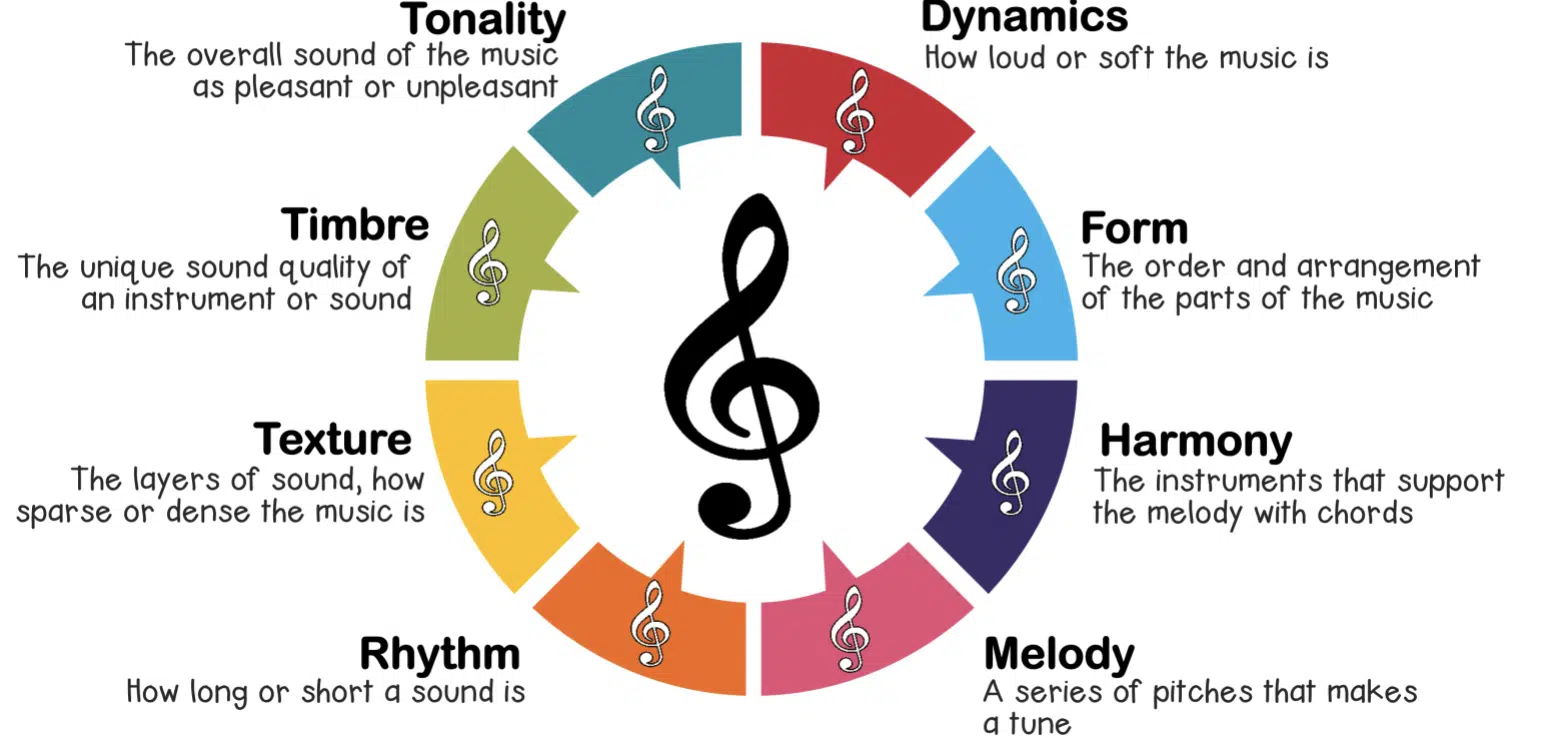
Rhythm, as applied in the artistic realm, can be likened to the cadence of music. It establishes a predictable yet dynamic flow that guides the viewer’s gaze across an artwork. Much like musical notes that establish a tempo, rhythmic elements in art can be created through repetition of shapes, colors, lines, and textures. This orchestration not only creates visual interest but also elicits a sense of harmony.
For example, an artwork that employs a series of repeating shapes—triangles, circles, or perhaps more abstract forms—can induce a visual rhythm. This rhythm functions similarly to a heartbeat, leading viewers through the composition in a dynamic dance of observation. Moreover, the rhythm can be manipulated through variations in scale, spacing, and alignment, creating either a frenetic pace or a tranquil lull. The key lies in the artist’s deliberate choices, which guide the viewer’s emotional response and aesthetic appreciation.
Exploring Movement in Art
In contrast to rhythm, movement in art conveys the idea of action or the suggestion of motion, either real or perceived. Movement can be depicted through the positioning of elements, the use of lines, or even the strategic application of color. Unlike rhythm, which implies a repetitive flow, movement is about the directional force that engages the viewer’s eye from one point to another within the artwork.
A classic example of movement can be seen in works like Vincent van Gogh’s “Starry Night,” where swirling clouds and flowing lines create a sense of dynamic energy. Movement can evoke the feeling of turbulence, serenity, or even chaos, allowing the viewer to experience a narrative embedded in the imagery. Thus, while rhythm serves as the tempo, movement acts as the specific passage through which one traverses the landscape of the artwork.
Key Differences
The dichotomy between rhythm and movement in art stems from their foundational principles. While rhythm is rooted in repetition and pattern, movement is born from the expression of dynamic force and direction. This differentiation allows artists to manipulate viewer experience in profound ways. Here are some key distinctions that highlight their unique roles:
- Nature of Flow: Rhythm relies on a cyclical or linear repetition that can create predictability, whereas movement conveys a sense of progression and fluidity that may lead to uncertainty and surprise.
- Viewer Engagement: Rhythm invites engagement through familiarity, allowing viewers to immerse themselves in the predictable patterns, while movement creates a need for exploration, encouraging viewers to follow an implied pathway through the piece.
- Focus and Attention: Rhythmic structures often guide attention back to the cycle or series repeatedly, while movement directs attention away and leads it towards new focal points, shaping the narrative flow of the artwork.
Applications in Artistic Practice
Practitioners in various art forms can leverage these principles effectively for enhanced communication. In painting, an artist may create rhythmic patterns through brush strokes and color choices, while simultaneously establishing movement by guiding the viewer’s eye toward a focal point using converging lines or varying depths of field.
In graphic design, rhythm might manifest in a layout where elements are spaced evenly, while movement could be created through diagonal lines that draw the eye across a page. Sculptors may experiment with rhythm in the repetition of forms, while also using movement to suggest the potential for action—bring static objects to life, imbuing them with vitality.
Emotional Resonance
The interplay between rhythm and movement significantly impacts emotional resonance. A work that employs gentle rhythms can evoke feelings of calmness and stability, while sudden movements may induce tension or excitement. Artists can thus manipulate these principles to evoke desired responses, creating an immersive experience for the audience.
For example, an artwork characterized by gentle curves and harmonious color transitions may encourage the viewer to feel at peace. Conversely, an artwork with sharp contrasts and dramatic lines might provoke anxiety or excitement. This emotional translation hinges on how well artists balance and juxtapose these elements.
Conclusion
As we traverse the complex terrain of art fundamentals, the principles of design serve as essential guides. Rhythm and movement, while intertwined, represent distinct forces that contribute uniquely to an artwork’s narrative and aesthetic experience. An appreciation for these principles not only deepens our understanding of artistry but also enhances the way we engage with visual culture. By distinguishing between rhythm and movement, both artists and enthusiasts can better appreciate the intricate dance of design that enlivens our visual world.






Leave a Comment