

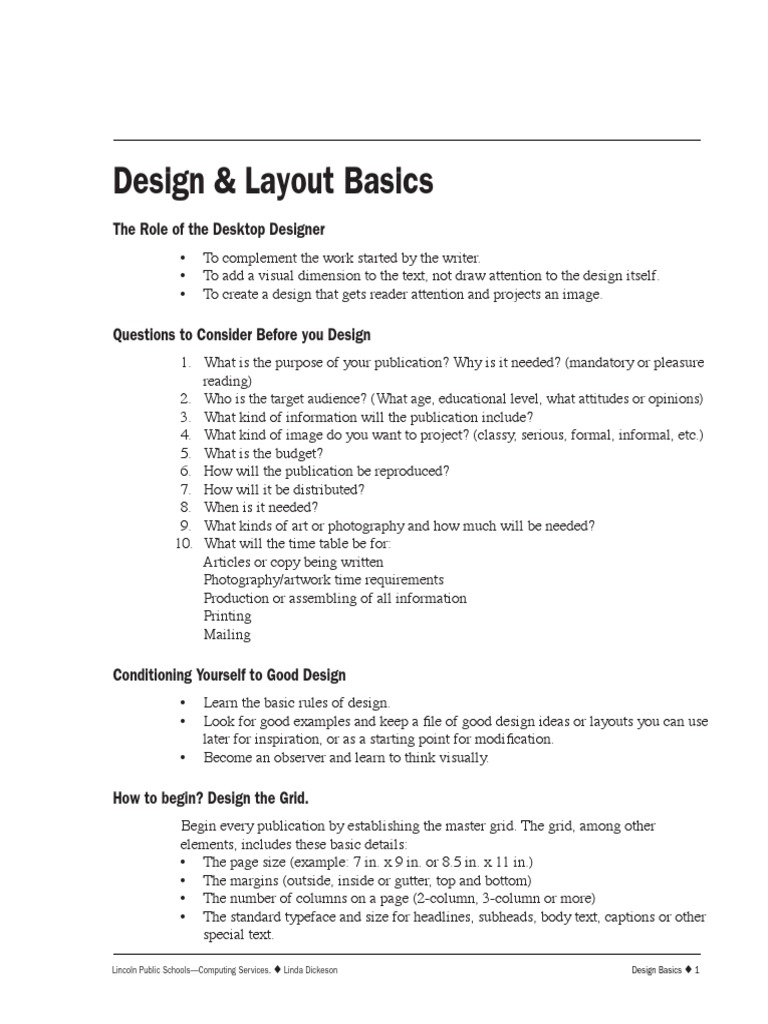
The realm of graphic design is a testament to creativity blended with foundational principles. Amidst a myriad of design elements, the principles of design stand as the cornerstone of exceptional layouts. Understanding how to navigate these principles can transform a mundane composition into a visually arresting and engaging experience. This exploration delves into the vital design principles and their application to different layout styles, illuminating not only their aesthetic significance but also their psychological resonance with viewers.
Design principles encompass the guidelines that dictate the arrangement of visual elements in a composition. These principles include balance, contrast, emphasis, movement, pattern, repetition, rhythm, and unity. Mastery of these contradicting yet complementary components enables designers to evoke emotions, direct focus, and enhance overall coherence.
Balance: Symmetry vs. Asymmetry
Balance pertains to the distribution of visual weight within a layout. It can be categorized into two primary types: symmetrical and asymmetrical. Symmetrical balance conjures images of stability and formality. For instance, a classic magazine spread may employ symmetry, featuring equal distribution of text and images on either side. This approach instills a sense of order that pleases the eye. Conversely, asymmetrical balance offers dynamism, frequently found in modern web design. Here, elements may vary in size and weight, yet they coexist harmoniously. Asymmetrical balance is instrumental in creating visual interest and guiding the viewer’s gaze.
Contrast: The Power of Divergence
At the heart of visual storytelling lies contrast. It accentuates differences between elements, creating focal points that demand attention. For instance, juxtaposing light and dark tones can effectively highlight pivotal information, making it stand out. In layouts that require visual hierarchy, the strategic application of contrast ensures that critical components captivate the audience’s gaze first. Designers may employ contrasting colors, typefaces, and shapes to achieve this heightened visual dialogue. Thoughtful contrast transforms a simple layout into a complex narrative woven with meaning.
Emphasis: Spotlighting the Focal Point
Emphasis is a principle that facilitates the designation of importance to elements within a design. By manipulating size, color, or positioning, designers can draw attention to specific aspects of their layout. In a news website, for instance, the headline might be significantly larger than the body text, serving as a headline that not only attracts readers but also conveys urgency and relevance. Emphasis not only conveys information but also imbues the design with personality, inviting viewers to engage in a richer experience.
Movement: Guiding the Viewer’s Journey
Movement in design is not merely about literal motion; it refers to how the viewer’s eye traverses the composition. Effective design orchestrates a pathway that leads audiences through the narrative illustrated in the layout. Utilizing lines, shapes, and colors, designers can create a seamless flow that guides the viewer from one focal point to another. Think of an infographic—a well-structured infographic utilizes a natural flow to guide the viewer from introductory statistics through to intricate data analysis, leading to insightful conclusions. Movement lends a story to the design, engaging the viewer in an interactive experience.
Pattern: The Rhythm of Repetition
Pattern, often intertwined with repetition, infuses a layout with consistency and cohesion. This principle becomes invaluable when establishing brand identity—distinctive patterns can anchor a brand in the mind of the consumer. Consider the characteristic polka dots of a renowned fashion label; they evoke instant recognition. Repetition creates a visual rhythm that unifies disparate elements within a design. While established patterns can create a comforting familiarity, innovative patterns can simultaneously evoke intrigue. When applied judiciously, patterns serve not only as aesthetic devices but also as cognitive cues.
Rhythm: The Flow of Visual Elements
Rhythm, intricately linked to both movement and pattern, embodies the tempo at which visual elements interact. Just as in music, rhythm in design varies in speed and intensity, contributing to the overall ambiance. When adeptly employed, rhythm ensures that the viewer’s experience oscillates between intrigue and clarity. For instance, a promotional layout might alternate between dense blocks of text and airy images, creating a lively yet structured flow. Achieving rhythm requires an astute understanding of how elements relate to one another, enabling a harmonious composition that reverberates with energy and purpose.
Unity: The Cohesive Experience
Unity ensures that all components of a design form a cohesive whole. It imparts a sense of completeness, where disparate elements coalesce to form a singular vision. Achieving unity requires careful attention to detail, ensuring that color palettes, typography, and imagery resonate with each other. A well-unified layout engenders a satisfying experience for the viewer, where they effortlessly absorb the information without distraction from incongruity. For a travel brochure, unity might be established through complementary colors reflecting the destination’s natural beauty, resulting in a compelling and immersive experience for potential travelers.
The Pragmatic Application of Design Principles
When contemplating which design principle should be utilized for various layout styles, understanding the audience and purpose is paramount. An editorial layout may benefit from a balance of contrast and emphasis to engage readers; a minimalist website may rely heavily on unity and movement to evoke a serene experience. The synergy of these principles is where the true artistry of design manifests. Designers should embrace the malleability of each principle, knowing that the effectiveness of their application is refined by intention and context.
In conclusion, the principles of design are the bedrock of visual communication. Whether crafting an elegant layout for a luxury brand or an eye-catching promotional graphic, understanding and implementing these principles can elevate the composition from mundane to magnificent. Each principle serves a purpose, and their harmonious interaction shapes the viewer’s experience in profound yet subtle ways. As we navigate the vast landscape of design, let us remain captivated by the underlying principles that breathe life into our creative endeavors.





Leave a Comment