

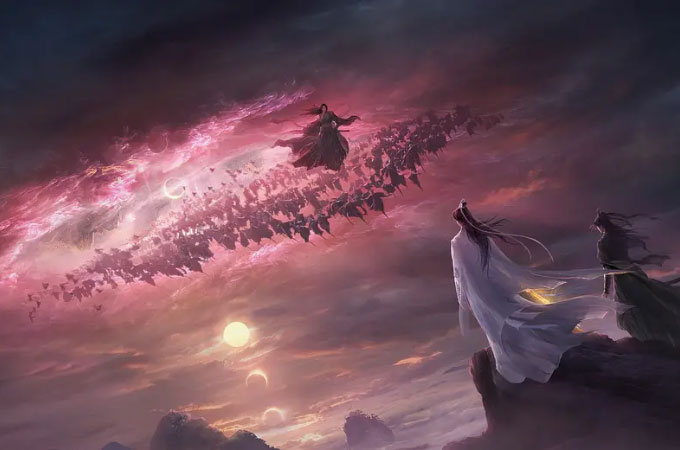
The world of international entertainment is currently witnessing a profound transformation. While Hollywood has long defined the visual vocabulary of the global audience, a new contender has emerged, painting the digital screen with vibrant mineral pigments and delicate silk embroidery. The arts in Chinese dramas—spanning from classical painting and calligraphy to architectural design and traditional crafts—are no longer just background dressing. They have become a primary force in shaping a new global aesthetic that values heritage, craftsmanship, and poetic symbolism.
The narrative of this shift is one of “cultural revivalism.” As Chinese production houses invest heavily in “intangible cultural heritage,” they are exporting a sophisticated visual language that is captivating viewers from London to Los Angeles.
The Ink-Wash Revolution: Visual Poetry
The most immediate impact of the arts in Chinese dramas is found in their cinematography, which often mimics the principles of traditional Chinese ink-wash painting. Unlike the high-contrast, fast-paced editing of Western action films, many modern C-dramas utilize “negative space” (liubai) and a muted, atmospheric color palette.
In dramas like Joy of Life or the visually stunning Longest Day in Chang’an, every frame is composed with the balance of a classical scroll. This “Oriental Aesthetic” emphasizes the relationship between humanity and nature. By prioritizing the landscape and the atmospheric “mood” over just the actor’s face, these dramas are training global eyes to appreciate a slower, more contemplative form of beauty. This has led to a surge in “minimalist-ethereal” trends in global photography and graphic design, where the focus is on flow and spiritual resonance rather than literal detail.
The “Dunhuang” Palette: A Global Color Shift
For years, the “Xianxia” (fantasy) genre was defined by soft, candy-colored pastels. However, the “latest info” from 2026 production trends shows a move toward the “Dunhuang Palette.” Inspired by the ancient Mogao Caves, this aesthetic uses deep cinnabar reds, malachite greens, and ochre yellows—colors derived from natural minerals.
This specific use of arts in Chinese dramas has spilled over into the fashion world. International designers are increasingly looking to these “heirloom colors” for their runway collections. The aesthetic is descriptive of a “new luxury”—one that feels ancient and grounded yet strikingly modern. When a viewer watches a drama where the costumes are dyed using traditional plant-based methods, they aren’t just seeing a dress; they are seeing a historical artifact brought to life. This has cultivated a global appetite for “slow fashion” and artisanal textures.
Architecture and the Geometry of Harmony
The architectural arts in Chinese dramas have also reshaped how global audiences perceive space. The intricate wood-joinery (sunmao) and the rhythmic symmetry of courtyard houses (siheyuan) are often showcased in high-definition detail.
The narrative impact here is one of “order and harmony.” In many historical dramas, the layout of the palace reflects the philosophical order of the universe. Global interior designers are taking note, incorporating “moon gates,” lattice screens, and the principles of Feng Shui into modern home aesthetics. The descriptive beauty of a rain-soaked courtyard in a Jiangnan-style drama has become a universal symbol of tranquility. This “Zen-adjacent” aesthetic is becoming a staple in high-end hospitality and residential architecture worldwide.
Intangible Heritage as a Narrative Tool
What makes the integration of arts so effective is that they are often central to the plot. A character’s proficiency in the “Four Arts” (Zither, Go, Calligraphy, and Painting) is used to signal their moral standing and intelligence.
When a drama spends five minutes descriptively showing the process of making “Kesi” silk or “Jingdezhen” porcelain, it functions as an informative masterclass for the viewer. This has sparked a global “DIY” and craft revival. Platforms like Pinterest and TikTok have seen a massive rise in tutorials for traditional Chinese embroidery and tea ceremonies, directly inspired by hit dramas. The arts in Chinese dramas have successfully transformed “old” traditions into “cool” lifestyle aspirations for a global Gen Z audience.
Summary of Aesthetic Impact
| Artistic Element | Drama Influence | Global Aesthetic Result |
| Color Palette | Use of Dunhuang mineral pigments. | Shift toward earthy, “heirloom” tones in fashion. |
| Cinematography | Ink-wash principles and negative space. | Rise of minimalist, contemplative photography. |
| Craftsmanship | Showcasing silk weaving and porcelain. | Increased value on artisanal and slow-made goods. |
| Architecture | Courtyard layouts and lattice work. | Integration of “Zen” and symmetrical home design. |
The Digital Bridge: Tech Meets Tradition
In 2026, the intersection of technology and art has further amplified this impact. High-fidelity VR experiences allow fans to “step into” the painted worlds of their favorite dramas. The descriptive richness of these digital environments is setting a new bar for world-building in the gaming and metaverse industries.
The informative nature of these “Art-Centric” dramas also serves as a form of “cultural diplomacy.” By presenting China’s history through the lens of beauty and craftsmanship rather than just conflict, these shows have created a “soft power” effect. Global audiences are developing a “visual literacy” for Chinese culture, recognizing the difference between Tang Dynasty opulence and Song Dynasty elegance.
Conclusion
How arts in Chinese dramas shape global aesthetics is a story of reconnection. In a fast-paced, digital world, these dramas offer a return to the tactile, the poetic, and the permanent. By elevating traditional crafts to the status of high-end cinematic art, they have created a visual bridge between the East and the West. As we continue to move through 2026, the “C-Drama Aesthetic” is no longer a foreign curiosity—it is a fundamental thread in the tapestry of modern global style. Whether it is through a specific shade of malachite green or the peaceful geometry of a moon gate, the arts of the Middle Kingdom are here to stay, gracefully redesigning our world one frame at a time.


Leave a Comment