

My first stone lithography attempt was a beautiful disaster—one of those glorious, ink-stained moments where art and chaos collided in the most unexpected way. I had watched videos, read tutorials, and even practiced drawing on limestone with greasy crayons, but nothing could have prepared me for the way the stone seemed to have a mind of its own. The process promised precision, yet yielded serendipity. The ink behaved like a mischievous sprite, clinging where it shouldn’t and fleeing where it should stay. It was messy, unpredictable, and utterly exhilarating. What if your first foray into stone lithography isn’t just a lesson in technique, but a masterclass in surrendering to the medium’s whims?
The Allure of Stone Lithography: A Dance with the Unexpected
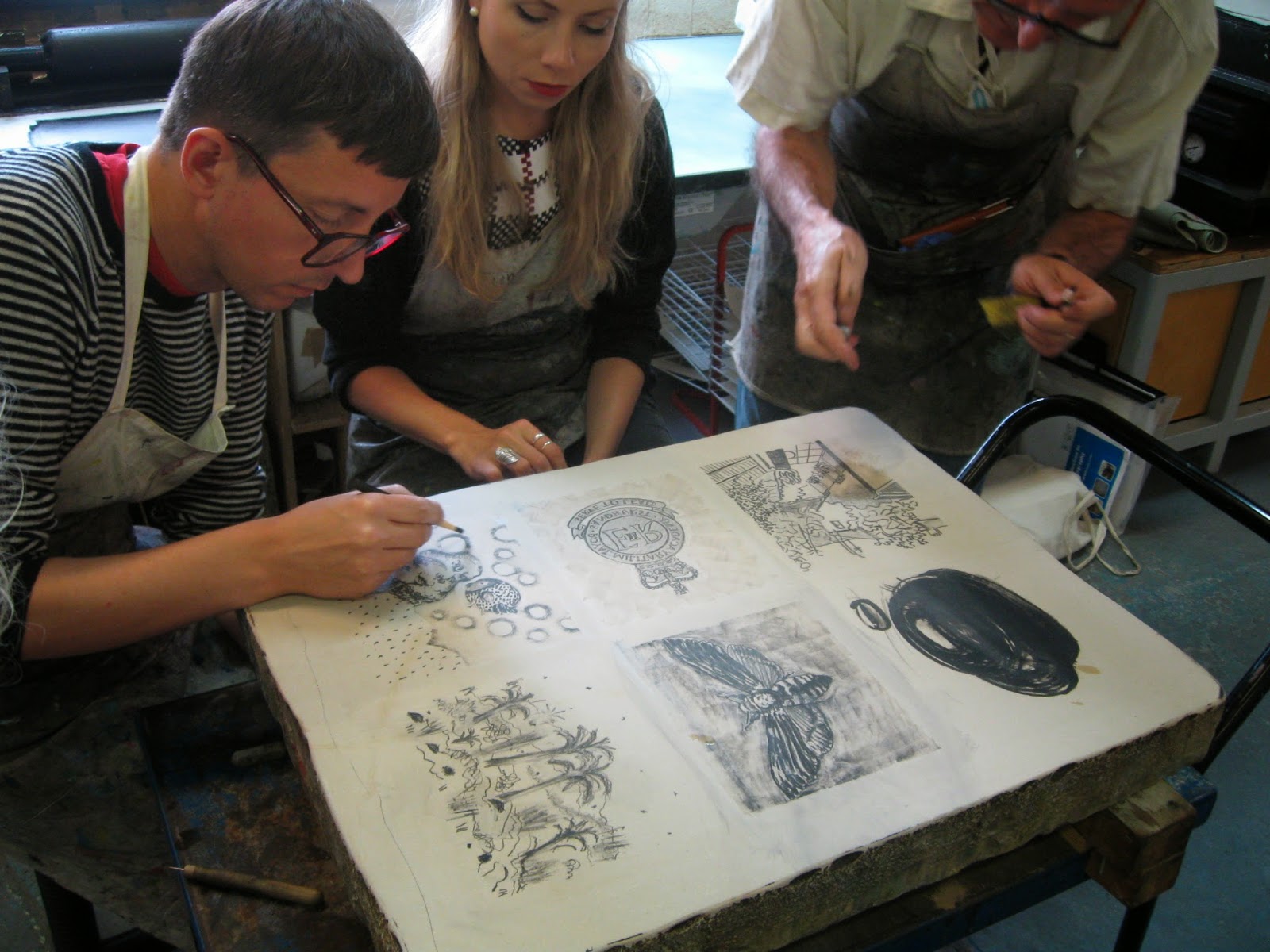
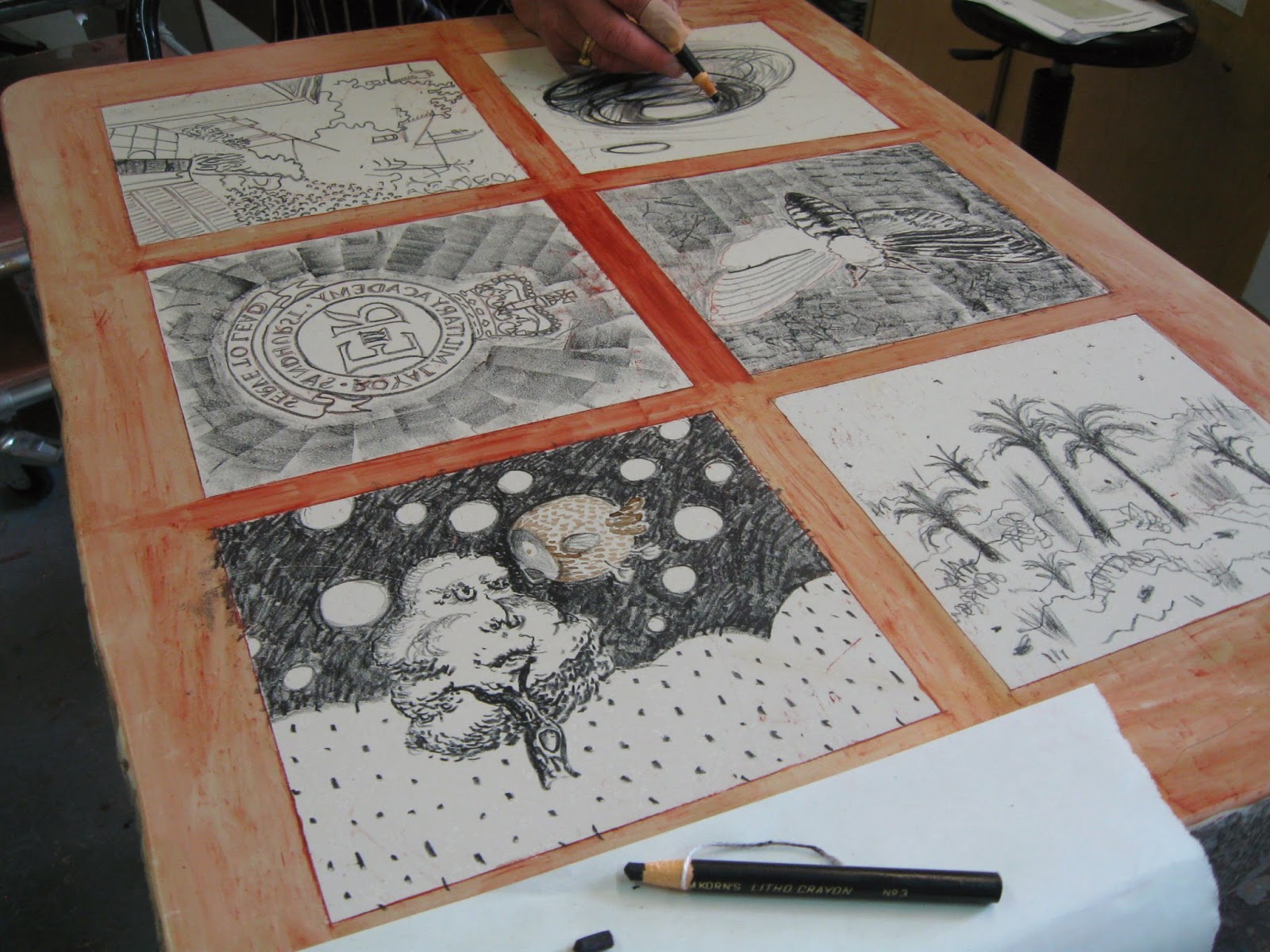
Stone lithography isn’t just printing—it’s alchemy. The process begins with a slab of limestone, smooth as a frozen lake, waiting to be etched with the artist’s touch. You draw on it with a greasy crayon or tusche, creating an image that seems to whisper secrets to the stone. Then, the magic happens: the stone is dampened, inked, and pressed. The greasy marks repel water, while the blank areas accept it, creating a dance between resistance and acceptance. But here’s the catch—what if the stone decides to resist you?

The first time I rolled ink onto my prepared stone, I expected obedience. Instead, the ink pooled in the wrong places, leaving smudges that looked like abstract constellations. The pressure of the press turned my careful lines into blurry echoes of my intent. It was as if the stone had a personality, one that delighted in defiance. Was I the artist, or was the stone the true creator? The question lingered, unanswered, as I stared at the first print—a beautiful, flawed testament to the medium’s capricious nature.
The Perils of Grease and Water: A Battle of Wills
Stone lithography is a war between grease and water, and I was woefully underprepared for the skirmish. The greasy crayon I used to draw my design seemed to vanish into the stone’s porous surface, as if swallowed by quicksand. When I applied the ink, it clung to the blank areas like a jealous lover, ignoring the lines I had so carefully etched. The water I used to dampen the stone pooled in the wrong places, creating tiny rivers that distorted my image. It was a battle of control, and the stone was winning.
I learned the hard way that the balance between grease and water is delicate, like walking a tightrope over a pit of molten ink. Too much water, and the greasy marks dissolve. Too little, and the ink refuses to adhere. My first prints were a mishmash of half-formed shapes, each one a reminder of my inexperience. But in those failures, I found a strange beauty. The smudges and blurs weren’t mistakes—they were the stone’s way of speaking, of leaving its mark on my work. Was this the medium’s rebellion, or my own?
The Press’s Cruel Embrace: When Art Meets Mechanics
The lithography press is a beast of metal and pressure, a machine that flattens your work with the indifference of a judge. I fed my stone into it, heart pounding, expecting perfection. Instead, the press’s rollers left uneven impressions, turning my careful lines into jagged, distorted shadows. The pressure was uneven, the ink spread too thin in some areas and too thick in others. It was as if the machine had a grudge against my artistic vision.
I watched in horror as the first print emerged, a ghostly version of my design, warped and smeared. The stone’s surface, once so smooth, now bore the scars of the press’s embrace. But then, something shifted. The imperfections weren’t flaws—they were character. The uneven pressure created textures that added depth. The ink’s uneven spread gave the print a sense of movement. Was this the press’s cruelty, or its hidden generosity?
The Redemption in the Mess: Finding Beauty in Chaos
After the initial despair, I began to see the beauty in the chaos. The smudges that had once frustrated me now looked like intentional brushstrokes. The blurry lines resembled the soft edges of a watercolor painting. The uneven ink distribution gave the print a sense of life, as if the image was breathing. I realized that stone lithography isn’t about control—it’s about collaboration. The stone, the ink, the press—all of them have a say in the final piece.
My second attempt was still flawed, but the flaws were different. The greasy crayon adhered better, the ink spread more evenly, and the press’s pressure was more consistent. Yet, the prints still bore the marks of the medium’s unpredictability. They were imperfect, but they were mine—a collaboration between my hand and the stone’s soul. The beauty wasn’t in the precision, but in the surrender.
The Lesson in the Lithography Labyrinth
Stone lithography taught me that art isn’t about perfection—it’s about exploration. The process is a labyrinth, and every turn reveals something new. The greasy crayon, the damp stone, the ink, the press—all of them are guides, leading you deeper into the medium’s mysteries. My first attempt was a beautiful disaster because it was honest. It didn’t hide its flaws; it wore them like badges of honor.
Now, when I approach a new stone, I do so with curiosity rather than control. I let the medium guide me, even when it leads me astray. The prints that emerge are never what I envisioned, but they’re always what I needed. They’re a reminder that art isn’t about mastery—it’s about the journey. And sometimes, the journey is messy, unpredictable, and utterly glorious.
The Final Print: A Testament to the Unplanned
When I finally pulled the last print from the press, I held it up to the light. It was imperfect, yes—but it was alive. The greasy lines were bold and confident, the ink’s spread was organic, and the press’s pressure had given it a sense of depth. It wasn’t the print I had imagined, but it was the print I had earned. It was a testament to the beauty of surrender, to the magic of collaboration, and to the joy of discovery.
Stone lithography isn’t for the faint of heart. It demands patience, adaptability, and a willingness to embrace the unexpected. But for those who dare to try, it offers something rare: the chance to create art that feels alive, that breathes and evolves with each print. My first attempt was a beautiful disaster—but it was also the beginning of a love affair with a medium that refuses to be tamed.
So, if you’re considering stone lithography, ask yourself this: Are you ready to let the stone lead? Are you prepared to surrender control and embrace the chaos? If the answer is yes, then welcome to the labyrinth. The journey is messy, unpredictable, and utterly worth it.


Leave a Comment