

In the quiet hum of a studio, where the scent of ink lingers like a ghost of creativity, there exists a method so unassuming it feels almost clandestine. It’s the cardboard drypoint trick—a technique that transforms humble corrugated cardboard into a printing plate capable of producing etchings that rival the sophistication of traditional intaglio methods. You might wonder, *how can something so ordinary yield results so extraordinary?* The answer lies not in the material itself, but in the alchemy of pressure, texture, and the artist’s touch.
Drypoint, at its core, is a process of incising or scratching a surface to create an image that holds ink. Traditionally, this is done on copper or zinc plates, requiring specialized tools and a press to transfer the design onto paper. But what if you could achieve the same depth and detail without the expense or the machinery? Enter the cardboard drypoint—a revelation for artists who crave the tactile intimacy of intaglio without the barriers to entry. It’s a trick that whispers of possibility, turning the mundane into the magnificent with a few simple steps.
The Allure of the Unconventional: Why Cardboard?
Cardboard, in its layered, fibrous glory, is a paradox. It’s disposable yet durable, rough yet receptive. When you run a drypoint needle across its surface, the top layer peels away in delicate curls, revealing the corrugated ridges beneath. These ridges hold ink like tiny valleys, creating a print that’s rich in texture and contrast. The beauty of cardboard lies in its unpredictability—no two plates will behave exactly the same, ensuring that each print is a unique testament to the artist’s hand.
But cardboard isn’t just a substitute; it’s a collaborator. Its inherent grain and structure lend themselves to organic, almost painterly marks that are difficult to replicate with metal plates. The slight give of the material allows for a softer, more nuanced line, while the ridges can produce a velvety darkness that’s irresistible to the eye. It’s no wonder artists are drawn to it—cardboard doesn’t just mimic the effects of traditional drypoint; it reinvents them.
The Tools of the Trade: Minimalism Meets Mastery
To embark on this cardboard drypoint journey, you needn’t assemble an arsenal of tools. A simple drypoint needle or even a sturdy sewing needle will suffice. The key is in the pressure—too light, and the lines will be faint; too heavy, and the cardboard may tear. The needle should glide, not gouge, teasing out the fibers to create a burrowed line that will hold ink like a secret.
Ink, too, plays a pivotal role. A stiff, oil-based ink is ideal, as it clings to the raised fibers of the cardboard with tenacity. A brayer or even a credit card can be used to apply the ink evenly, ensuring that every nook and cranny of your incised lines is filled. The act of wiping the excess ink is where the magic happens—using a piece of newsprint or tarlatan, you gently coax the ink from the surface, leaving behind a ghostly residue in the recessed areas. The result? A print that seems to glow from within, as if lit from behind by an unseen fire.
And then there’s the paper. A dampened, high-quality printmaking paper like Rives or Arches will embrace the cardboard’s texture, absorbing the ink in a way that flat surfaces never could. The pressure of the press—or in a pinch, a wooden spoon—will transfer the image with a fidelity that belies the simplicity of the materials.
The Dance of Light and Shadow: Crafting Depth
What makes a drypoint print truly captivating is its ability to play with light and shadow. With cardboard, this interplay is heightened by the material’s natural irregularities. The corrugated ridges create a subtle topography that catches the light, while the incised lines offer a deep, velvety darkness. It’s a symphony of contrasts, where the artist’s hand guides the eye through a landscape of light and shadow.
Consider the effect of cross-hatching. On cardboard, each layer of lines interacts with the fibers in a unique way, producing a texture that’s both intricate and raw. The more you work the surface, the more the cardboard reveals its character—sometimes resisting the needle, sometimes yielding with surprising ease. It’s a dialogue between artist and material, one that evolves with each pass of the tool.
For those who love to experiment, cardboard drypoint offers endless possibilities. Try burnishing certain areas to create highlights, or use a stiff brush to rough up the surface for a more expressive mark. The cardboard’s porosity allows for a range of tonal values that can mimic the subtlety of mezzotint or the boldness of woodcut. It’s a medium that rewards curiosity, where even the smallest adjustment can yield dramatic results.
The Press-Free Alternative: A Spoon and a Dream
Of course, the traditional drypoint process relies on a press to transfer the image from plate to paper. But what if you don’t have access to one? The cardboard drypoint trick shines here, too. A simple wooden spoon can serve as your press, its rounded surface applying even pressure to push the dampened paper into the incised lines. It’s a method that harks back to the earliest days of printmaking, when artists relied on their own strength and ingenuity to bring their visions to life.
The key to success with a spoon is patience. Place your inked plate face-up on a protected surface, lay your dampened paper over it, and then gently—very gently—press with the spoon in a circular motion. Start from the center and work outward, ensuring that every part of the paper makes contact with the plate. The result may not be as crisp as a press-generated print, but it will have a warmth and immediacy that’s uniquely its own.
For those who prefer a more controlled approach, a barren or even a wooden block can be used to apply pressure. The goal is to coax the ink from the plate without disturbing the delicate fibers of the cardboard. It’s a delicate balance, one that turns the act of printing into a meditative practice.
The Unexpected Joy of Imperfection
Perhaps the most enchanting aspect of cardboard drypoint is its embrace of imperfection. Unlike metal plates, which can be endlessly reworked, cardboard has a lifespan—it will eventually wear out, its fibers breaking down under the relentless pressure of the needle. But this fragility is part of its charm. Each print becomes a fleeting moment in time, a snapshot of the artist’s interaction with the material.
There’s a certain humility in working with cardboard. It doesn’t demand perfection; it invites experimentation. A misplaced line can become a happy accident, a tear in the surface can lead to a new texture. It’s a reminder that art doesn’t have to be flawless to be powerful. In fact, the quirks and idiosyncrasies of cardboard drypoint often lend the prints a vitality that’s hard to replicate with more refined materials.
From Studio to Gallery: The Rise of Cardboard Etchings
What began as a humble experiment in resourcefulness has grown into a respected technique in its own right. Artists around the world are turning to cardboard drypoint not just for its accessibility, but for its ability to produce prints that are rich in texture and emotion. Galleries have begun to showcase these works, drawn to their tactile quality and the stories they tell—not just of the artist’s skill, but of the material’s journey from packaging to plate.
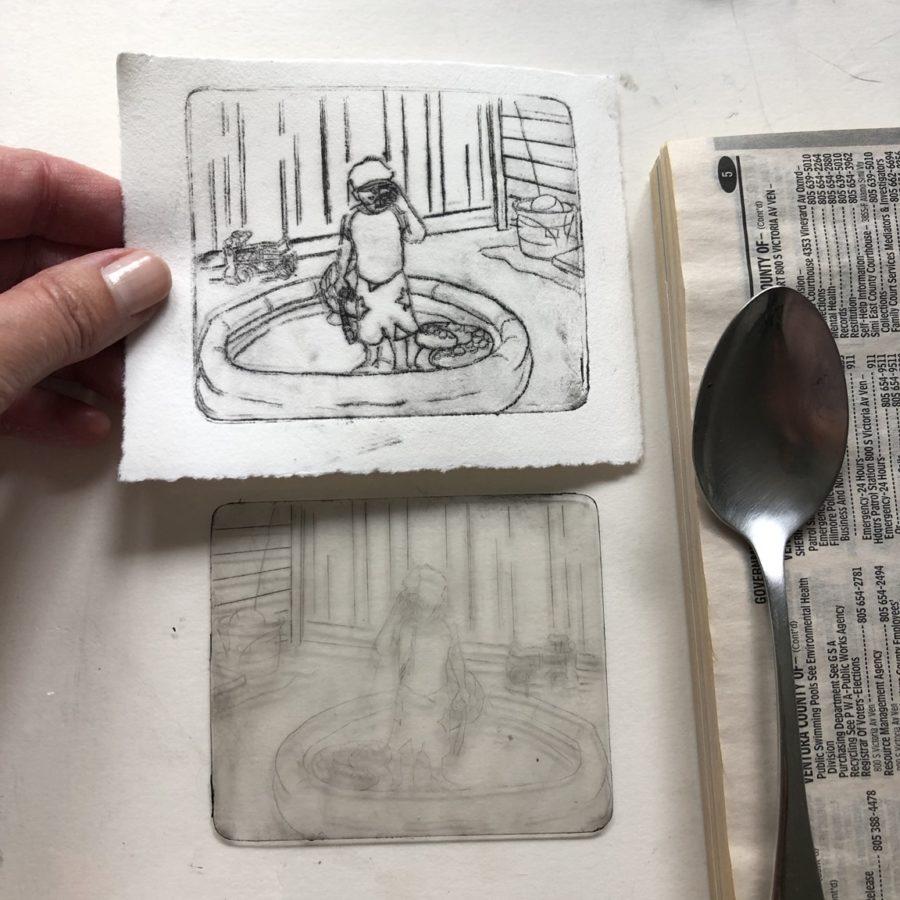
The cardboard drypoint trick is more than a hack; it’s a testament to the idea that great art can emerge from the most unlikely places. It challenges the notion that only expensive, specialized tools can yield professional results. Instead, it celebrates the ingenuity of the maker, the beauty of the imperfect, and the transformative power of a simple sheet of corrugated cardboard.
So the next time you find yourself staring at a pile of cardboard boxes, don’t see waste—see potential. With a needle, some ink, and a bit of patience, you can unlock a world of artistic possibility. The cardboard drypoint trick isn’t just a method; it’s an invitation to rethink what’s possible, to find magic in the mundane, and to create prints that are as unique as the hands that made them.


Leave a Comment