

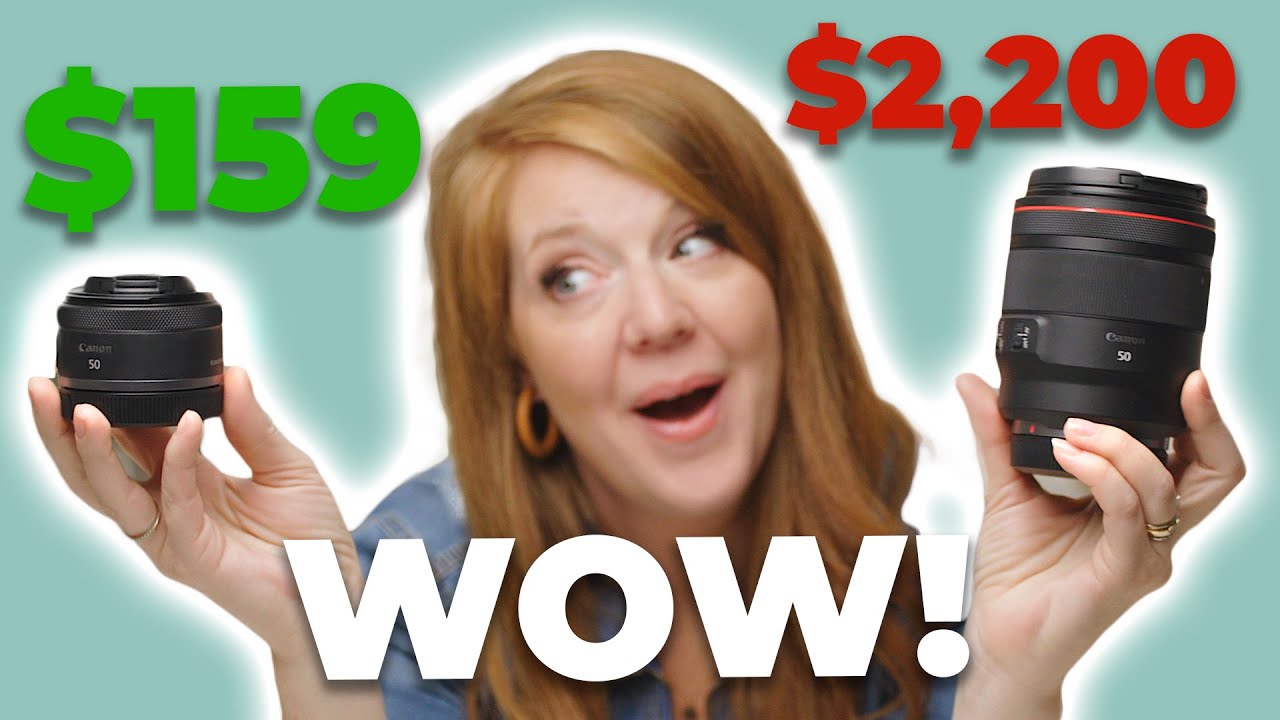
Have you ever wondered if a lens’s price tag truly dictates the magic in your photos? What if I told you that a humble $50 lens could stand toe-to-toe with a $2000 behemoth, at least in the hands of a skilled photographer? The challenge is as tantalizing as it is controversial: can you really tell the difference between portraits shot with a budget lens versus a premium one? Let’s dive into this visual experiment, where glass meets grit, and pixels meet passion.
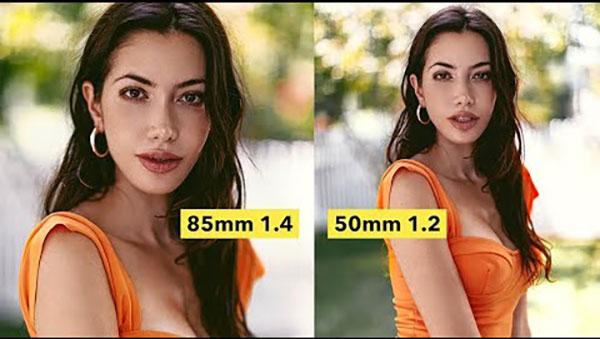
To set the stage, imagine two portraits side by side. One is captured with a lens that costs less than a fancy dinner for two, while the other is the result of a financial splurge that could buy a small used car. The question isn’t just about sharpness or bokeh—it’s about the soul of the image. Can a $50 lens deliver the same emotional punch as a $2000 masterpiece? The answer might surprise you.
The Lens: More Than Just Glass and Metal
A lens is more than a tube of polished optics; it’s a storyteller. The $50 lens, often a vintage gem or a budget modern marvel, might lack the modern coatings of its pricier counterpart, but it carries a certain je ne sais quoi. Chromatic aberration, soft edges, and a dreamy glow can sometimes lend a portrait an ethereal quality that’s hard to replicate with clinical precision. Meanwhile, the $2000 lens promises razor-sharp focus, creamy bokeh, and colors so vibrant they leap off the screen. But does that always translate to a better portrait?
Consider the weight of each lens. The budget lens is featherlight, almost an extension of your hand. The premium lens? It’s a brick wrapped in velvet, a testament to engineering prowess. Yet, in the heat of a photoshoot, does the weight of the glass affect the fluidity of your movements? Or is it the photographer’s eye that truly matters?
Bokeh: The Great Divide
Bokeh—the way out-of-focus areas render—is often the first thing photographers obsess over. The $2000 lens promises buttery smooth circles, a silky blur that makes the subject pop. The $50 lens? It might give you nervous, nervous highlights, or a swirly, swirling effect that’s either charming or chaotic, depending on your taste. But here’s the kicker: sometimes, the imperfections of a budget lens can add character. A slightly busy background might tell a richer story than a perfectly blurred void.
Take a portrait of someone laughing, their eyes sparkling with joy. The $2000 lens will isolate them with surgical precision, while the $50 lens might let the background whisper in the frame. Which version feels more authentic? The answer lies in the intent behind the shot.
Sharpness: The Illusion of Perfection
Sharpness is the holy grail of lens performance, but is it always necessary? A $2000 lens will nail focus across the frame, even in the corners, while a $50 lens might soften at the edges. Yet, portraits thrive on the eyes—if those are tack-sharp, does the rest matter? A slightly softer jawline or a hint of blur in the hair can add a touch of romance, a whisper of imperfection that makes the portrait feel alive.
Consider the work of street photographers who shoot with vintage lenses. Their images often exude a timeless quality, not despite the softness, but because of it. The $50 lens might not win a technical battle, but it could steal the emotional one.
The Human Element: It’s Not Just About the Glass
Here’s where the experiment gets interesting. The lens is only as good as the hand that wields it. A photographer who understands light, composition, and timing can make a $50 lens sing. Conversely, even the finest glass can’t rescue a poorly composed shot. The real magic lies in the connection between photographer and subject, the way a smile is coaxed or a mood is captured.
Think of it like cooking. A Michelin-starred chef can turn a simple ingredient into a masterpiece, while a novice might burn a gourmet meal. The lens is the ingredient—the photographer is the chef. So, before you blame the glass, ask yourself: did you set the stage right? Did you guide your subject? Did you see the light?
Color and Contrast: The Subtle Nuances
Premium lenses often boast superior color rendition and contrast, delivering images that pop with vibrancy. A $50 lens might lean toward a cooler or warmer tone, or it might struggle with color fringing in harsh light. But here’s a secret: sometimes, those quirks become part of the image’s identity. A slightly muted palette can evoke nostalgia, while a punchy contrast can feel modern and bold.
Imagine a portrait of a musician, their instrument glowing in the frame. The $2000 lens might render the guitar’s wood grain with flawless detail, while the $50 lens could imbue the scene with a grainy, film-like texture. Which version feels more like a memory frozen in time?
The Challenge: Blind Test or Bust?
To truly answer the question, we’d need a blind test. Show viewers two portraits—one from each lens—and ask them to guess which is which. You might be shocked by the results. Many viewers might pick the $50 lens as the premium one, simply because it has a certain “look” they associate with high-end photography. Others might be fooled by the razor-sharp focus of the expensive glass, assuming it’s the budget lens because it lacks the “character” they expect from a cheaper option.
The takeaway? There’s no one-size-fits-all answer. The best lens is the one that helps you achieve your vision, whether that’s clinical perfection or artistic imperfection.

The Final Frame: What Really Matters
At the end of the day, the lens is a tool, not a magic wand. The difference between a $50 lens and a $2000 lens isn’t just in the specs—it’s in the intention. A portrait isn’t just a picture; it’s a moment, a feeling, a story. If the lens helps you capture that story, then it’s worth every penny. If it doesn’t, then no amount of glass will save the shot.
So, can you tell the difference? Maybe. Maybe not. But the real question is: does it matter? The next time you pick up a camera, ask yourself what you’re trying to say. Then choose your lens accordingly. After all, the best portraits aren’t made by gear—they’re made by heart.


Leave a Comment