

In the alchemy of digital photography, where pixels dance between shadow and light, there exists a technique so precise it borders on sorcery—luminosity masking. It’s the silent artisan behind those breathtaking exposures where every highlight whispers and every shadow breathes. Yet, despite its transformative power, luminosity masking remains shrouded in mystery for many photographers. Why does it captivate the imagination so fiercely? Perhaps because it doesn’t just adjust exposure—it orchestrates a symphony of tones, revealing the hidden poetry in every frame.
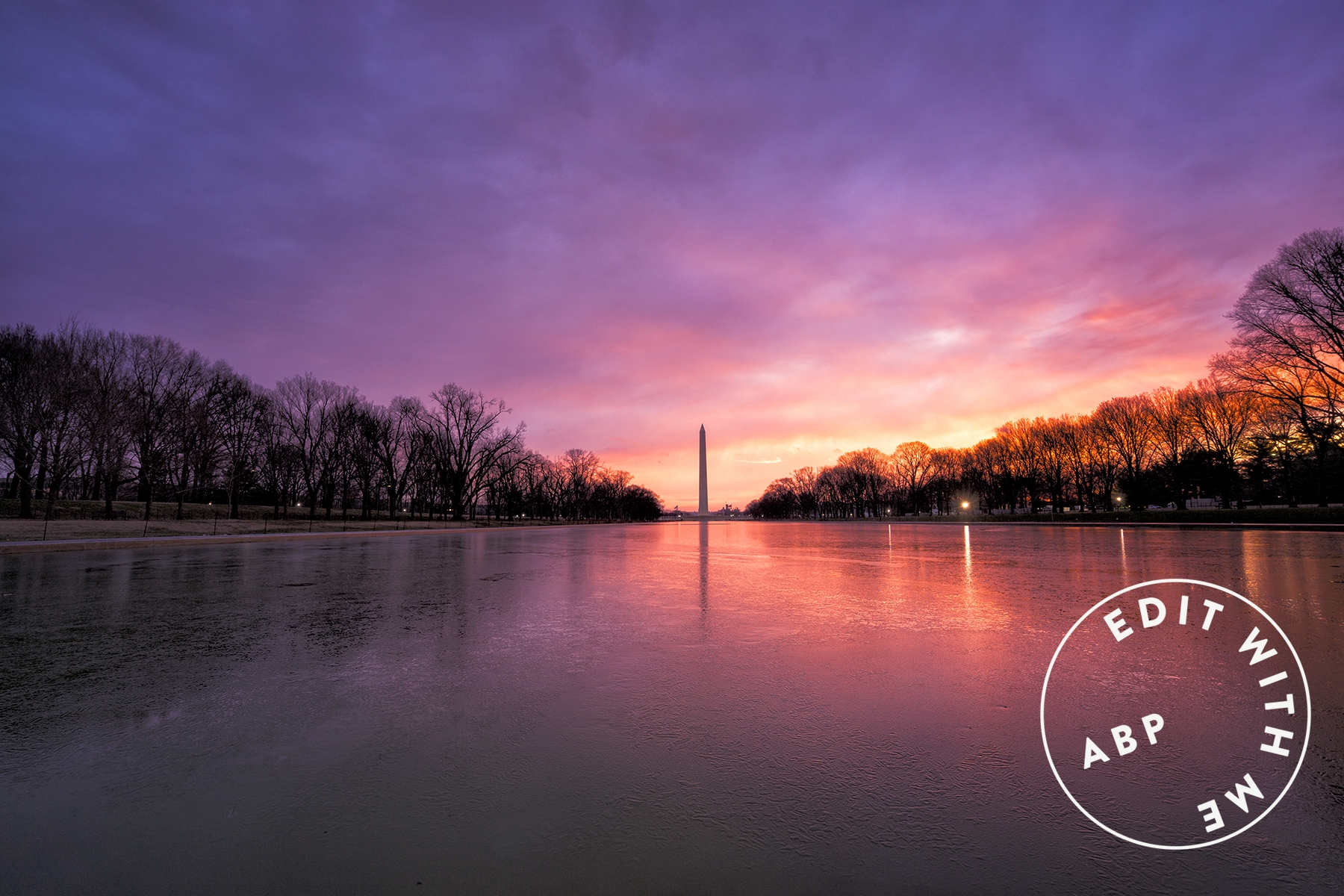
Imagine a landscape bathed in the golden hour’s embrace, where the sky blazes with an impossible gradient and the foreground lies cloaked in velvety darkness. A standard exposure adjustment would either drown the highlights or smother the shadows. But luminosity masking? It’s the scalpel that carves out nuance, preserving the drama without sacrificing detail. This technique doesn’t just tweak—it redefines. It’s the difference between a snapshot and a masterpiece, between a fleeting moment and an eternal impression.
The Essence of Luminosity Masking: A Primer on Light’s Spectrum
At its core, luminosity masking is a method of isolating specific tonal ranges within an image to apply targeted adjustments. Unlike broad-brush tools like curves or levels, which treat the entire image as a monolith, luminosity masks dissect the frame into discrete layers of light. Think of it as a microscopic examination of luminance, where each pixel’s brightness becomes a brushstroke in a larger composition.
The magic begins with the creation of masks derived from the image’s own luminosity values. These masks act as invisible sieves, allowing adjustments to permeate only the designated tonal zones. A mask for the brightest highlights might isolate the sun’s corona, while another for midtones could coax detail from a misty valley. The result? A harmonious balance where no element vies for dominance—each exists in perfect equilibrium.
But why does this technique feel so revelatory? Because it mirrors the way our eyes perceive the world. Human vision doesn’t process light in flat, uniform strokes; it adapts dynamically, accentuating contrast where needed and softening it elsewhere. Luminosity masking, in its own digital way, replicates this organic sensitivity. It’s not just a tool—it’s a bridge between the mechanical and the intuitive.
The Art of Mask Creation: Crafting Precision from Chaos
Creating a luminosity mask is less about brute force and more about finesse. The process begins with generating a grayscale representation of the image’s luminance, where pure white denotes the brightest areas and pure black the darkest. From this foundation, multiple masks can be extracted, each targeting a specific tonal band. A 50% gray mask, for instance, might isolate midtones, while a mask generated from the top 20% of luminance values could isolate the brightest highlights.
Yet, the true artistry lies in refining these masks. Photoshop’s “Apply Image” command is a workhorse here, allowing the blending of layers based on their luminance. For those seeking even greater control, third-party plugins like TKActions or Lumenzia offer advanced features, such as color-range-based masks or the ability to stack multiple masks for layered adjustments. The goal isn’t just to create a mask—it’s to sculpt one, carving out the exact regions where adjustments will breathe life into the image.
Consider the challenge of a backlit portrait, where the subject’s face is shrouded in shadow while the background burns with overexposure. A standard exposure adjustment would flatten the scene, robbing it of depth. But with a luminosity mask targeting the subject’s face, you can selectively brighten the shadows without affecting the already-blown highlights. The result is a portrait that feels three-dimensional, where every contour and texture is rendered with crystalline clarity.
Beyond the Basics: Advanced Techniques for the Discerning Photographer
Once the fundamentals are mastered, luminosity masking becomes a playground for experimentation. One advanced technique is the use of luminance-based dodging and burning, where masks are employed to selectively darken or lighten areas with surgical precision. This method avoids the pitfalls of global adjustments, which can introduce artifacts or unnatural transitions. Instead, it allows for the kind of localized contrast enhancement that elevates an image from good to gallery-worthy.
Another powerful application is color luminosity masking, where masks are generated not just from luminance values but also from color channels. This is particularly useful in scenes with complex color interactions, such as a sunset where warm oranges bleed into cool purples. By isolating specific color ranges within tonal bands, you can fine-tune hues without disturbing the overall balance. The result is a scene where colors sing in harmony, each shade contributing to the visual narrative.
For the adventurous, multi-mask blending offers a way to combine multiple luminosity masks into a single, cohesive adjustment layer. This technique is invaluable in high-contrast scenarios, such as cityscapes at twilight, where the sky demands a different treatment than the buildings below. By stacking masks—each targeting a specific tonal range—you can apply unique adjustments to each zone, ensuring that every element retains its integrity.

Common Pitfalls and How to Sidestep Them
Even the most seasoned photographers can stumble when wielding luminosity masks. One frequent misstep is over-reliance on automated mask generation, which can produce rough edges or inaccurate selections. The solution? Manual refinement. Using tools like the brush or the refine edge feature, you can smooth transitions and ensure that adjustments blend seamlessly into the surrounding tones.
Another challenge is the temptation to over-adjust. Luminosity masks grant immense control, but that power can be intoxicating. Resist the urge to push sliders to extremes. Instead, aim for subtle enhancements that preserve the image’s natural character. Remember, the goal isn’t to manufacture perfection—it’s to reveal the inherent beauty that already exists.
Lastly, beware of color shifts. When applying adjustments to specific tonal ranges, it’s easy to inadvertently alter hues, particularly in areas where color channels overlap. A quick check in the Lab color mode can help identify and correct these shifts before they become permanent. The key is to remain vigilant, treating each adjustment as a step in a larger process rather than a standalone fix.
The Philosophy Behind the Technique: Why Luminosity Masking Resonates
There’s something almost meditative about luminosity masking. In a world where photography is often reduced to instant gratification—filters, presets, one-click enhancements—this technique demands patience, precision, and a deep engagement with the image. It’s a reminder that great photography isn’t about shortcuts; it’s about understanding the interplay of light and shadow, and how to guide the viewer’s eye through that interplay.
Perhaps the fascination with luminosity masking stems from its ability to reveal the unseen. In a single frame, it can expose the delicate gradations of a cloud’s edge or the subtle texture of a weathered wall. It turns the mundane into the extraordinary, not by altering reality, but by revealing its hidden layers. In this way, luminosity masking becomes more than a technique—it’s a philosophy, a way of seeing the world with heightened awareness.
For the photographer, mastering luminosity masking is akin to learning a new language. At first, the terms and syntax feel foreign, but with practice, they become second nature. And just as a poet uses language to evoke emotion, a photographer uses luminosity masking to evoke mood. A misty forest at dawn might gain a ethereal glow, while a stormy sea could take on a dramatic, almost cinematic presence. The image becomes a story, and the viewer is drawn into its narrative.
Practical Applications: Where Luminosity Masking Shines
Luminosity masking isn’t confined to a single genre. Its versatility makes it indispensable across a spectrum of photographic disciplines. In landscape photography, it’s the secret to taming the dynamic range of a sunrise over a mountain range, where the sky’s brilliance must coexist with the shadowed valleys below. In portraiture, it’s the key to flattering the subject’s features without washing out the background or darkening the skin tones.
For street photographers, luminosity masking offers a way to balance the chaos of urban environments, where bright storefronts and dark alleyways vie for attention. By selectively adjusting tonal ranges, you can guide the viewer’s eye to the story unfolding in the frame, whether it’s a solitary figure in a crowd or the interplay of light and shadow on a cobblestone street.
Even in post-processing workflows for commercial photography, luminosity masking plays a crucial role. Product shots, for instance, often require meticulous attention to detail, where the highlights on a glossy surface must be preserved while the shadows in the background are subtly lifted. Luminosity masks ensure that every element of the composition is rendered with flawless precision.
Embracing the Journey: From Novice to Master
The path to mastering luminosity masking is one of trial and error, of moments of frustration followed by flashes of insight. It’s a journey that rewards persistence, where each image becomes a lesson and each adjustment a refinement of skill. Start with simple masks, perhaps targeting just the highlights and shadows, and gradually expand your repertoire as confidence grows.
Study the work of photographers who excel in tonal control. Notice how their images possess a depth that feels almost tactile, as if you could reach out and touch the texture of a sunlit leaf or the smoothness of a stone. Reverse-engineer their techniques, experimenting with different mask combinations to see how they achieve such impact. And above all, practice. There’s no substitute for the hands-on experience of working with your own images, of seeing firsthand how luminosity masking can transform the ordinary into the extraordinary.
In the end, luminosity masking is more than a technique—it’s a testament to the power of patience and precision. It’s a reminder that the most compelling images aren’t created in a rush, but through a deliberate, thoughtful process. So pick up your camera, capture a scene that speaks to you, and then dive into the world of luminosity masking. Let it be your guide as you coax out the hidden beauty in every frame, one tonal layer at a time.
The alchemy of light awaits. All you need is the courage to wield the scalpel.


Leave a Comment