

In the ever-expanding cosmos of AI-generated art, where static images once reigned supreme, a seismic shift is underway. A new frontier beckons—one where motion breathes life into the static, where algorithms dance with pixels, and where the boundaries of imagination dissolve into fluid, ever-shifting dreams. This is not mere evolution; it is a revolution. And at its heart lies a tool so potent, so transformative, that it doesn’t just animate—it redefines what art can be. Welcome to the world of Deforum Diffusion, where the canvas is no longer confined to stillness, and the act of creation becomes a symphony of controlled chaos.
The promise is staggering: a tutorial that doesn’t just teach you how to make videos with Stable Diffusion, but one that shatters your perception of what’s possible. Imagine taking a single prompt and watching it unfold across time—not as a linear sequence, but as a living, breathing entity that morphs, twists, and evolves in ways that feel almost organic. This is not animation as we know it. This is generative cinema, where every frame is a brushstroke, every transition a whisper of the algorithm’s subconscious. The tutorial you’re about to uncover doesn’t just guide you through the mechanics; it unlocks a portal to a realm where art and artificial intelligence merge into something transcendent.


The Alchemy of Motion: How Deforum Turns Prompts Into Cinematic Dreams
At its core, Deforum Diffusion is a time-based extension of Stable Diffusion, a tool that takes the static output of text-to-image models and infuses it with the fourth dimension. But this isn’t a simple slideshow of generated images. The magic lies in its ability to interpolate between states, to blend prompts seamlessly, and to introduce controlled randomness that feels deliberate rather than chaotic. The result? A video that doesn’t just play—it breathes.
Consider the humble prompt: “a serene lake at dawn.” In a traditional Stable Diffusion workflow, this might yield a single, beautiful image. But with Deforum, the same prompt becomes a journey. The sun rises gradually. The ripples on the water shift in real-time. The colors deepen as the light intensifies. The scene doesn’t just exist—it unfolds. This is the power of latent space interpolation, where the model navigates the vast, abstract landscape of its training data to generate transitions that feel both natural and surreal.
The tutorial doesn’t just stop at the basics. It dives into the narrative potential of this technology. What if your prompt evolves over time? What if “a serene lake at dawn” slowly transitions into “a stormy ocean at midnight”? Deforum allows you to script these shifts, to define keyframes where the aesthetic, the mood, or even the subject matter undergoes a metamorphosis. It’s as if you’re conducting an orchestra of pixels, where each note is a frame, and the conductor’s baton is your imagination.
Beyond the Canvas: The Illusion of Life in AI-Generated Animation
One of the most intoxicating aspects of Deforum Diffusion is its ability to create the illusion of life. This isn’t just about moving images; it’s about imbuing them with a sense of agency, of purpose. The tutorial peels back the curtain on techniques that make animations feel organic, even when they’re entirely generated by code.
Take, for example, the concept of dynamic camera movements. In traditional animation, a camera doesn’t just pan or zoom—it breathes. It tilts to follow a subject, it dollies in to emphasize emotion, it tracks to create depth. Deforum replicates this by allowing you to define camera paths that evolve alongside your prompts. A slow zoom into a fractal landscape becomes a meditative experience. A sudden dolly out from a bustling cityscape creates a sense of disorientation, as if the viewer is being pulled into an alternate reality.
Then there’s the matter of physics-defying transformations. Deforum excels at morphing objects in ways that feel both plausible and otherworldly. A tree might grow from a seedling to a towering oak in seconds, its branches twisting like living tendrils. A face could melt into a landscape, only to reform into a completely different visage. These aren’t just visual tricks—they’re explorations of the uncanny, where the familiar and the alien collide in a dance of pixels and probability.

The Paradox of Control: Harnessing Chaos Without Losing the Spark
Herein lies the paradox of Deforum Diffusion: the more control you exert, the more you risk stifling the serendipity that makes generative art so captivating. The tutorial strikes a delicate balance, teaching you how to wield the tool’s power without suffocating its spontaneity.
One of the most powerful features is the noise-based evolution. Instead of relying solely on prompt interpolation, Deforum can introduce controlled noise into the generation process, allowing for organic, unpredictable variations. This is where the magic happens. A static scene might subtly shift in color palette. A character’s expression could flicker between emotions. These aren’t bugs—they’re features, the algorithm’s way of keeping the output alive, of preventing it from settling into a rigid, lifeless state.
But how do you guide this chaos? The tutorial introduces the concept of seed cycling, where you strategically reset or adjust the random seed at key moments to steer the animation in a desired direction. It’s a bit like gardening—you plant the seeds of your vision, but you also know when to prune, when to water, and when to let the wildflowers grow untamed. The result is a video that feels both intentional and alive, a testament to the delicate dance between control and surrender.
From Novice to Virtuoso: Mastering the Deforum Workflow
The tutorial is structured as a journey, taking you from the rudimentary to the sublime. It begins with the basics: setting up Deforum, configuring your first animation, and understanding the core parameters like strength, CFG scale, and sampling method. These aren’t just technical details—they’re the levers and dials that allow you to sculpt your vision into existence.
As you progress, the tutorial delves into advanced techniques. How do you create looping animations that feel seamless? How do you synchronize your prompts with music or voiceovers to create a truly immersive experience? What are the secrets to avoiding the dreaded flickering artifacts that plague generative video? Each section is a masterclass in its own right, packed with insights that only come from hours of experimentation and refinement.
But the real breakthrough comes when you start to think of Deforum not as a tool, but as a collaborator. The tutorial encourages you to approach your animations with a sense of play. Try absurd prompts. Push the parameters to their limits. Let the algorithm surprise you. The most breathtaking results often come from moments where you step back and let the system take the reins, only to discover that it’s led you somewhere you never imagined.
The Ethical Canvas: Navigating the Moral Landscape of AI-Generated Art
No discussion of generative AI would be complete without addressing the elephant in the room: the ethical implications. Deforum Diffusion, like all AI art tools, exists at the intersection of creativity and controversy. The tutorial doesn’t shy away from this conversation. Instead, it frames it as an essential part of the creative process.
What does it mean to create art that is, at least partially, the product of an algorithm trained on vast datasets of human creativity? How do you reconcile the ownership of a piece that might contain elements borrowed from countless artists, living and dead? The tutorial doesn’t provide easy answers, but it does equip you with the critical thinking tools to navigate these questions. It encourages transparency—acknowledging the role of AI in your work, citing influences, and engaging with the broader community to foster a culture of respect and collaboration.
Moreover, it highlights the positive potential of these tools. For artists who may lack traditional training, Deforum offers a gateway to expression. For educators, it’s a way to illustrate complex concepts in dynamic, engaging ways. For storytellers, it’s a new medium to explore narratives that were previously impossible to visualize. The tutorial positions Deforum not as a replacement for human creativity, but as a catalyst—a way to amplify your voice and push the boundaries of what art can achieve.
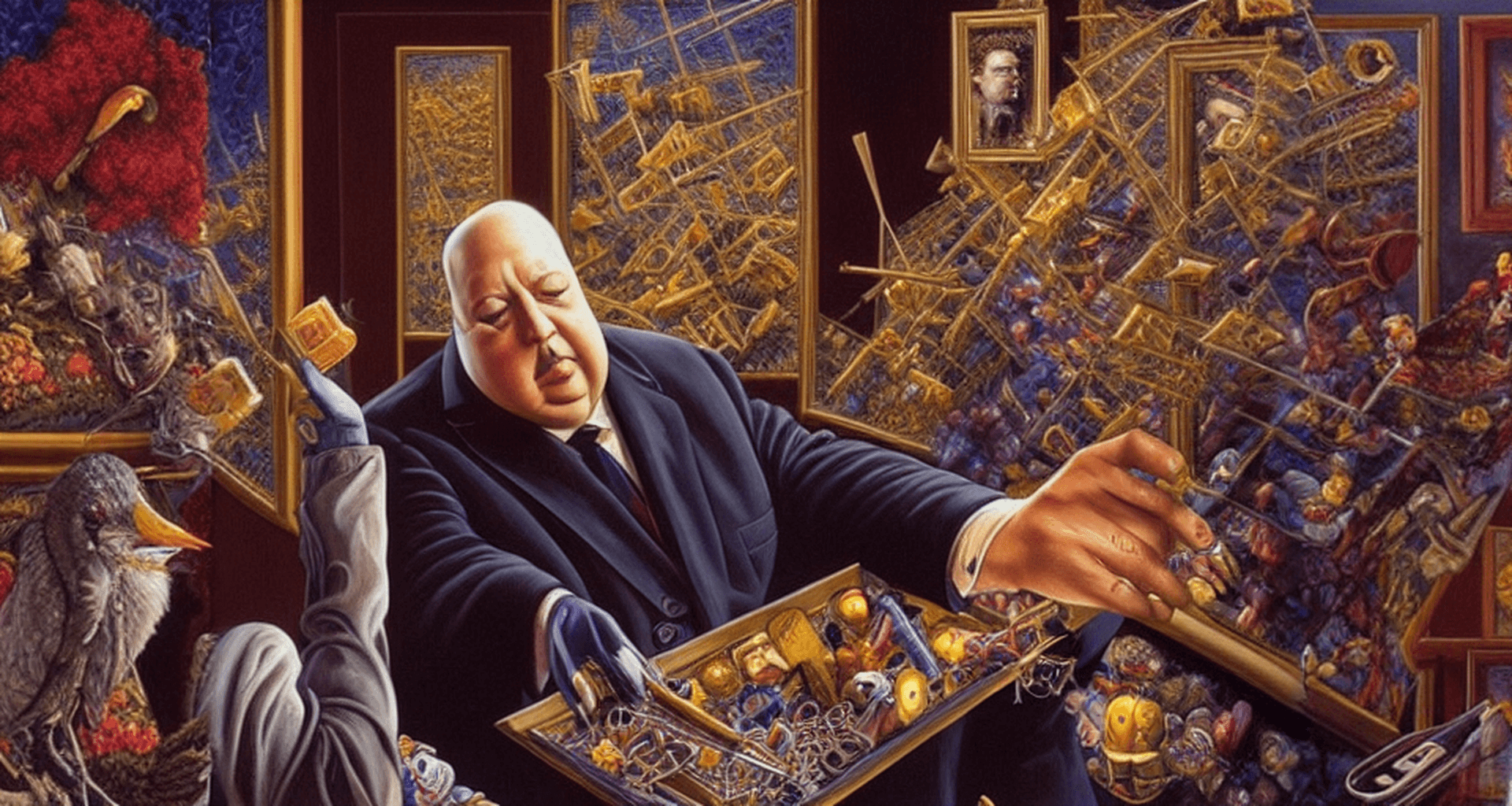
The world of Deforum Diffusion is not for the faint of heart. It demands patience, experimentation, and a willingness to embrace the unknown. But for those who dare to take the leap, the rewards are nothing short of revolutionary. This tutorial isn’t just a guide—it’s an invitation to redefine your relationship with art, with technology, and with the very act of creation. It’s a promise that the future of animation isn’t something to be passively consumed, but something to be actively shaped, frame by frame, by your own hands and your own imagination.
So, are you ready to break reality?


Leave a Comment