

Have you ever plugged in a synth, fired up a drum machine, or strummed an electric guitar, only to feel that something’s missing? Like the sound is too clean, too sterile, too *digital*? If so, you’re not alone. In studios and bedrooms across the globe, producers and musicians are waging a quiet war against the tyranny of pristine audio. They’re embracing an ancient, almost alchemical practice: tape saturation. But why does this obsession run so deep? What makes analog heat the secret weapon in modern music production? And more importantly—what happens when you try to live without it?
Imagine your mix as a pristine canvas. Every element—vocals, drums, synths—sits in perfect isolation, untouched by the grit and warmth of the analog world. It’s like eating a meal with no salt, no spice, no soul. The result? A sonic experience that feels hollow, lifeless, *unreal*. That’s where tape saturation steps in, not as a gimmick, but as a fundamental ingredient in the recipe for depth, character, and emotional resonance. It’s not just about adding distortion; it’s about reintroducing the imperfections that make music feel human.
The Alchemy of Analog: Why Tape Saturation Transforms Sound
At its core, tape saturation is the gentle compression and harmonic distortion that occurs when audio is recorded onto magnetic tape. Unlike digital clipping, which sounds harsh and unnatural, analog saturation introduces subtle warmth, midrange growl, and a sense of three-dimensional space. It’s the difference between a photograph and a painting—one flat, the other alive with texture.
When you drive a signal through a tape emulator, you’re not just turning up the volume; you’re inviting a symphony of subtle artifacts. High frequencies soften slightly, lows gain a tactile punch, and midrange frequencies bloom with harmonic richness. This isn’t just a technical process—it’s an aesthetic one. The goal isn’t to make things louder or brighter, but to make them feel *real*. Tape saturation doesn’t just process sound; it *transforms* it, imbuing it with the character of a vintage recording studio where every take carries the scars of a thousand sessions.
Consider the way a Neumann U87 microphone captures a vocal. Alone, it’s pristine, clinical. But pair it with a tape machine, and suddenly the voice takes on a velvety sheen, the consonants sharpen, the breathiness lingers like a ghost in the room. This is the magic of analog: it doesn’t just record sound; it *interprets* it, adding a layer of emotional nuance that digital systems struggle to replicate.
The Digital Dilemma: Why Pristine Isn’t Always Perfect
In the relentless pursuit of clarity, modern digital audio workstations (DAWs) have given us tools that can analyze, correct, and enhance sound with surgical precision. But precision isn’t always synonymous with *feeling*. When every note is quantized, every frequency balanced, and every transient controlled, the result can be a sonic landscape that’s technically flawless but emotionally sterile.
This is where the tape saturation obsession becomes a rebellion. It’s a refusal to accept that “perfect” must mean “cold.” Digital audio, for all its advantages, lacks the inherent imperfections that make analog recordings feel alive. Tape hiss, subtle wow and flutter, and the gentle compression of overloaded tape all contribute to a sound that feels *organic*—as if it was captured in a room, not generated in a computer.
Think of it this way: a digital recording is like a freshly paved road—smooth, predictable, efficient. Tape saturation, on the other hand, is a cobblestone street—uneven, full of character, and impossible to ignore. The former gets you from point A to point B quickly. The latter makes the journey memorable.
Breaking the Rules: When to Push Tape Saturation to the Edge
While subtle tape saturation can add polish and warmth, the real fun begins when you dare to push it to its limits. This is where the obsession takes on a rebellious edge. Want to give a synth lead a gnarly, distorted bite? Crank the input gain on your tape emulator until the harmonics bloom into a thick, syrupy distortion. Need drums to cut through a dense mix? Drive them through a tape machine until the transients soften and the body swells with midrange punch.
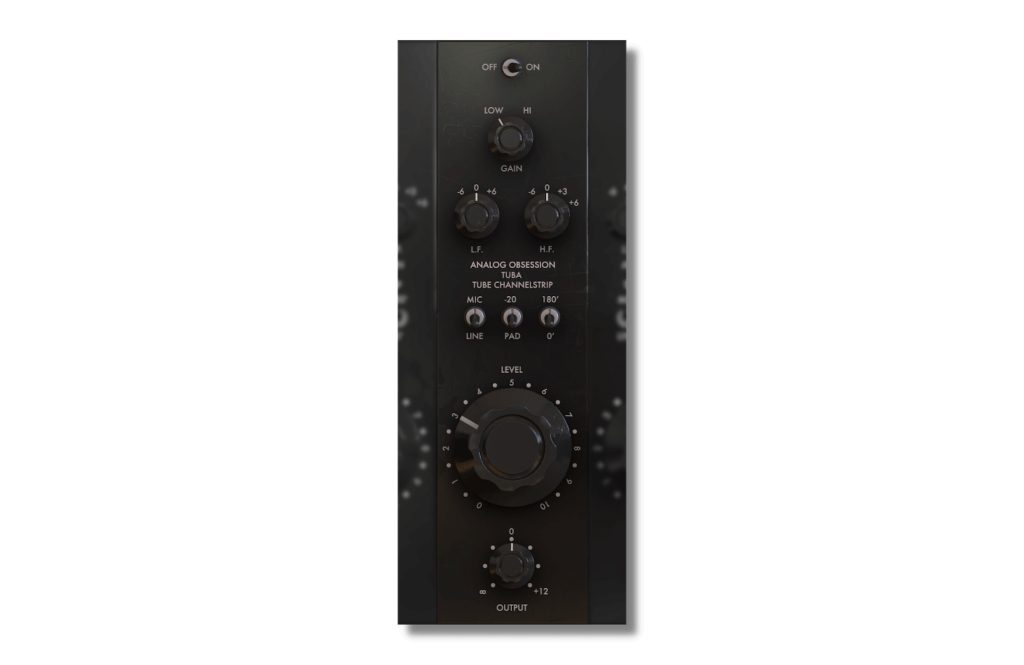
But be warned: tape saturation is a double-edged sword. Too much, and you risk turning your mix into a muddy, indistinct mess. The key is to use it judiciously, like a spice in cooking. A pinch of saturation can elevate a dish; a tablespoon can ruin it. The same principle applies to audio. The goal isn’t to drown your mix in distortion, but to use it as a tool to highlight the elements that matter most.
For example, applying tape saturation to a bass guitar can add harmonic complexity, making it feel fuller and more present in the mix. On vocals, it can smooth out harshness while adding a subtle grit that cuts through the mix. Even on entire mixes, a touch of tape saturation can glue the elements together, creating a cohesive, analog-like soundstage.
The Modern Revival: Why Tape Saturation is More Relevant Than Ever
In an era dominated by digital perfection, the resurgence of tape saturation might seem like a paradox. Why would anyone choose imperfection in a world that celebrates precision? The answer lies in the human desire for authenticity. In a culture saturated with algorithmically generated music and hyper-processed sounds, listeners crave something real, something *felt*.
This isn’t just nostalgia—it’s a reaction against the sterile, sanitized sound of modern production. Tape saturation offers a way to reintroduce the unpredictability and character of analog recording into a digital workflow. It’s a bridge between the past and the present, a way to honor the traditions of recording while embracing the convenience of modern technology.
Moreover, tape saturation isn’t just for vintage enthusiasts. It’s a tool that can be used across genres, from lo-fi hip-hop to cinematic orchestral scores. Even in EDM, where clean, punchy sounds are the norm, a touch of tape saturation can add warmth and depth, making the music feel more immersive and three-dimensional.
The Challenge: Can You Live Without It?
Here’s a thought experiment: take a project you’ve been working on and strip away all tape saturation. Remove it from your drums, your vocals, your synths. Listen to the mix without it. Does it feel thinner? Less dynamic? Does the low end lack weight, or do the highs feel brittle and exposed?
For many producers, the answer is a resounding yes. Without tape saturation, the mix feels incomplete, as if something essential is missing. But for others, the digital clarity is preferable. The challenge, then, is to ask yourself: what does your music need to feel alive? Is it the precision of digital, or the warmth of analog?
If you’re still on the fence, try this: record a simple drum loop. Play it back dry, then run it through a tape emulator at 10%, 50%, and 100% saturation. Notice how the character changes with each setting. At 10%, you might hear a subtle thickening of the transients. At 50%, the drums take on a vintage punch. At 100%, they might distort into something unrecognizable—but in a good way. This isn’t just an effect; it’s a creative decision.

The Future of Sound: Where Tape Saturation Meets Innovation
The tape saturation obsession isn’t just a throwback—it’s a glimpse into the future of audio production. As technology advances, so too does our ability to emulate the nuances of analog recording. Modern tape emulators use convolution modeling, analog circuit emulation, and even AI-driven algorithms to replicate the sound of vintage tape machines with uncanny accuracy.
But even as these tools become more sophisticated, the philosophy behind tape saturation remains the same: sound should feel *human*. It should have imperfections, character, and a sense of history. Whether you’re using a $50 plugin or a $5,000 hardware unit, the goal is the same—to add a touch of magic to your music.
So, the next time you’re tempted to reach for that EQ or compressor, consider this: what if the answer isn’t in cleaning up the sound, but in dirtying it up a little? What if the key to a great mix isn’t precision, but *personality*? Tape saturation offers a way to do just that—turning sterile digital audio into something rich, warm, and undeniably *real*.
The choice is yours. Will you keep your sound pristine, or will you embrace the grit, the warmth, and the soul of analog? The tape machine is waiting.


Leave a Comment