

In the dim, hushed glow of a moonlit room, where shadows dance like silent sentinels, lies an untapped realm of sensory mastery. This is the world of proprioceptive practice in the dark—a place where movement becomes poetry, and the body’s internal compass sharpens to an almost supernatural precision. Proprioception, often hailed as the “sixth sense,” is the body’s ability to sense its position, movement, and force without relying on vision. When stripped of visual cues, the body’s proprioceptive system awakens, forging a deeper connection between mind and muscle. This article explores why practicing in the dark is not just a novelty but a transformative exercise for athletes, dancers, yogis, and anyone seeking to refine their physical intelligence.
The Alchemy of Sensory Deprivation: How Darkness Amplishes Proprioception
Imagine standing in a pitch-black room, feet planted firmly on the ground. Your eyes, usually the dominant sense, are rendered useless. Instantly, the body shifts its reliance to the vestibular system—the inner ear’s balance maestro—and the proprioceptors nestled in your muscles, tendons, and joints. These tiny sensory receptors, once overlooked, now become the primary narrators of your movement. The absence of light forces the brain to recalibrate, prioritizing tactile feedback and spatial awareness over visual input. This phenomenon, known as sensory reweighting, is the cornerstone of proprioceptive training in darkness.
Research suggests that sensory deprivation can enhance the brain’s ability to process internal signals. When vision is removed from the equation, the brain compensates by amplifying the signals from proprioceptors, leading to improved kinesthetic awareness. Athletes who train in low-light conditions often report a heightened sense of body positioning, which translates to better performance in high-pressure scenarios where visual cues are limited or unreliable. The dark, then, becomes a laboratory for refining the body’s innate intelligence.
 The body’s proprioceptive system awakens in darkness, turning movement into a meditative practice.
From Novice to Maestro: Progressive Drills for Proprioceptive Mastery
Practicing in the dark isn’t about stumbling blindly—it’s about structured, intentional exploration. Start with foundational exercises that build confidence and gradually escalate in complexity. Begin by standing barefoot on a stable surface, eyes closed, and focus on the subtle shifts in weight between your feet. Notice how your toes grip the floor, how your arches rise and fall with each breath. This simple act of grounding trains the body to trust its internal feedback loop.
Next, introduce dynamic movements. Try slow, controlled squats, paying attention to the descent and ascent phases. Can you sense when your heels lift off the ground? Can you feel the engagement in your quadriceps before your knees bend? For those seeking a challenge, incorporate balance drills on unstable surfaces like foam pads or cushions. The lack of visual cues forces the brain to rely on proprioceptive feedback, strengthening the neural pathways that govern coordination.
Advanced practitioners can explore shadow boxing in the dark, where the absence of visual targets sharpens reflexes and spatial awareness. Alternatively, practice yoga poses like Tree or Warrior III with eyes closed, using the breath as an anchor to maintain equilibrium. The key is to move with intention, not speed—each repetition is a conversation between body and mind.
The Athletic Edge: How Proprioceptive Training Translates to Performance
Athletes across disciplines—from gymnasts to martial artists—have long harnessed the power of proprioceptive training to gain a competitive edge. In combat sports, fighters who train in low-light conditions develop an uncanny ability to sense an opponent’s movements before they occur. This preemptive awareness is a game-changer, allowing for quicker reactions and more precise counterattacks. Similarly, dancers who rehearse in dimly lit studios often report a deeper connection to their movements, enabling them to execute complex choreography with fluidity and control.
For runners, proprioceptive training in the dark can reduce injury risk by improving gait mechanics. By removing visual distractions, the body naturally adopts a more efficient stride, reducing unnecessary tension in the hips and knees. Cyclists, too, benefit from practicing in low-light conditions, as it enhances their ability to navigate turns and obstacles without relying solely on visual input. The result? A more resilient, adaptable athlete who thrives in unpredictable environments.
But the benefits extend beyond physical performance. Proprioceptive training in the dark fosters mental resilience. The discomfort of navigating the unknown builds confidence in one’s abilities, teaching the brain to trust its instincts. In high-pressure situations—whether it’s a game-winning shot or a last-minute dance performance—this trust is invaluable.
The Mind-Body Symphony: Proprioception and Mental Clarity
Proprioceptive practice in the dark isn’t just a physical endeavor; it’s a mental one. The brain, stripped of visual distractions, enters a state of heightened focus. This meditative quality can be particularly beneficial for those struggling with anxiety or stress. By directing attention inward, practitioners cultivate a sense of calm and presence that carries over into daily life.
Consider the act of walking in the dark. Without the ability to see the path ahead, the brain relies on memory and tactile feedback to navigate. This process engages the hippocampus, the brain’s memory center, strengthening neural connections associated with spatial awareness. Over time, this can improve cognitive function, particularly in older adults at risk of falls or cognitive decline.
Moreover, the dark serves as a blank canvas for creativity. Dancers and movers often use low-light environments to explore new movement patterns, free from the constraints of visual expectations. The result is a more intuitive, expressive form of movement that feels authentic and uninhibited. In this way, proprioceptive training becomes a gateway to self-discovery, unlocking layers of potential that lie dormant in the light.
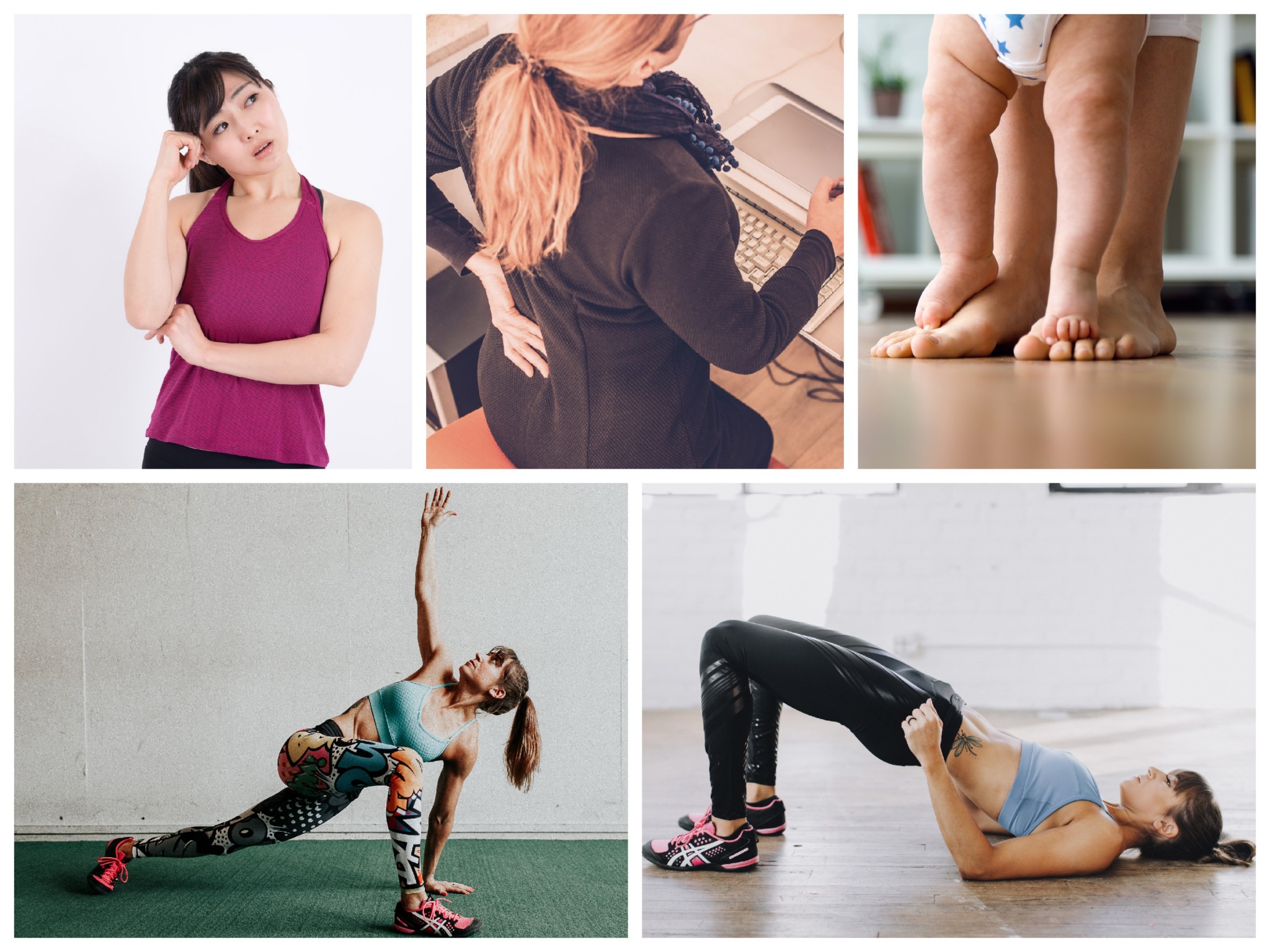 In the absence of light, the body’s balance and coordination are honed to a razor’s edge.
Common Pitfalls and How to Avoid Them
While the benefits of proprioceptive training in the dark are undeniable, it’s not without its challenges. Beginners often struggle with frustration, as the lack of visual feedback can feel disorienting. To mitigate this, start with short sessions—just a few minutes at a time—and gradually increase the duration as comfort grows. It’s also helpful to practice near a wall or stable surface for support, especially when attempting balance drills.
Another common mistake is rushing through exercises. Proprioceptive training is about quality, not quantity. Move slowly, focusing on the nuances of each movement. If you find yourself losing balance frequently, regress to simpler drills until your body adapts. Consistency is key; small, daily practices yield the best results.
Safety is paramount. Always ensure the environment is free of hazards—clear the floor of objects, use a soft surface if possible, and avoid practicing in areas with sharp edges. If you have a medical condition that affects balance or proprioception, consult a healthcare professional before beginning a dark training regimen.
Beyond the Basics: Advanced Techniques for the Fearless
For those who have mastered the fundamentals, the dark offers a playground for innovation. Try practicing complex movement sequences, such as dance routines or martial arts forms, entirely in the dark. The challenge forces the brain to encode movements into muscle memory, creating a more durable and adaptable skill set.
Another advanced technique is proprioceptive visualization. Close your eyes and imagine performing a movement—say, a pirouette or a tennis serve—with vivid detail. Then, execute the movement in the dark, using the visualization as a guide. This practice enhances the brain’s ability to simulate and refine motor patterns, leading to faster skill acquisition.
For the truly adventurous, explore dark parkour—a discipline that combines proprioceptive training with urban movement. Practitioners navigate obstacles like stairs, railings, and walls without relying on sight, developing an almost supernatural awareness of their surroundings. While not for the faint of heart, dark parkour is a testament to the transformative power of proprioceptive training.
In the quiet embrace of darkness, the body finds its voice. Proprioceptive practice in the dark is more than an exercise—it’s a dialogue between mind and muscle, a journey into the uncharted territories of physical intelligence. Whether you’re an athlete seeking an edge, a dancer chasing fluidity, or simply someone looking to deepen their connection to their body, the dark offers a path forward. It’s a place where movement becomes art, where balance is poetry, and where the body’s innate wisdom shines brightest when the lights are off.


Leave a Comment