

The Cecchetti Method and the Royal Academy of Dance (RAD) system stand as titans in the ballet training landscape, each with a storied legacy and a devoted following. But when it comes to shaping the next generation of dancers, which methodology truly reigns supreme? The answer isn’t as simple as declaring one the outright winner—it depends on what you seek in a training program. Whether you’re a aspiring ballerina, a parent navigating the labyrinth of dance education, or a seasoned instructor refining your pedagogical approach, understanding the nuances of these two systems is paramount. Let’s embark on a journey through their philosophies, techniques, and outcomes to uncover which path might align best with your goals.
The Philosophical Foundations: Where Tradition Meets Innovation
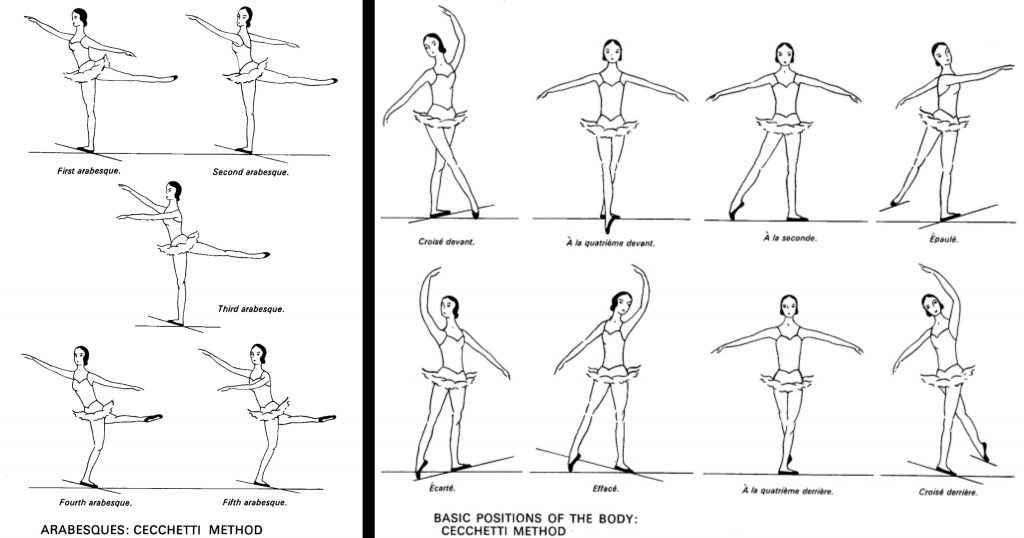
The Cecchetti Method, conceived by the legendary Enrico Cecchetti in the late 19th century, is steeped in the Italian school of ballet. Its core tenets emphasize precision, purity of line, and an almost mathematical approach to movement. Cecchetti’s philosophy was rooted in the belief that ballet should be a disciplined art form, where every plié, tendu, and arabesque serves a purpose beyond mere aesthetics. This method thrives on repetition, ensuring that each movement becomes second nature—a philosophy that has endured for generations.
In contrast, the RAD system, established in 1920, emerged from the British Isles with a more holistic and progressive outlook. RAD’s approach is designed to nurture not just technical prowess but also musicality, artistry, and personal expression. The syllabus is structured to accommodate dancers of all ages and abilities, with a clear progression that balances technical demands with creative exploration. Where Cecchetti demands unwavering adherence to form, RAD invites dancers to interpret and infuse their own artistic voice into the movement.
Technical Rigor vs. Artistic Freedom: The Core Differences
At the heart of the Cecchetti Method lies an uncompromising commitment to technical excellence. The method’s daily exercises are meticulously crafted to build strength, control, and flexibility in a systematic way. Dancers trained in Cecchetti often exhibit razor-sharp precision, with an ability to execute complex combinations with effortless grace. The method’s focus on port de bras (carriage of the arms) and épaulement (shoulder placement) ensures that every movement is imbued with elegance and intention. For those who crave a challenge that pushes the boundaries of physical and mental discipline, Cecchetti is a formidable ally.
RAD, on the other hand, casts a wider net. Its syllabus is divided into graded examinations, each designed to develop a well-rounded dancer. While technical proficiency is certainly a priority, RAD places equal emphasis on musicality, performance quality, and the ability to convey emotion through movement. The method’s use of free work—improvisational exercises—encourages dancers to explore their creativity, fostering a deeper connection to the art form. This balance between structure and freedom makes RAD an appealing choice for those who wish to cultivate both discipline and individuality.
The Examination Experience: A Tale of Two Systems
The examination process for each method offers a revealing glimpse into their distinct priorities. Cecchetti examinations are rigorous, often requiring dancers to perform a series of set exercises that test their technical mastery to the fullest. The examiner’s eye is trained to spot even the slightest deviation from the prescribed form, making these exams a true test of endurance and precision. Success in a Cecchetti exam is a badge of honor, signaling that the dancer has met the highest standards of the method.
RAD’s examination structure, meanwhile, is designed to be more accessible and inclusive. The graded syllabus allows dancers to progress at their own pace, with each level building upon the last in a logical sequence. Examinations include both set exercises and free work, providing a platform for dancers to showcase their technical skills as well as their artistic flair. The examiner’s role is not just to evaluate but to encourage, making RAD exams a nurturing experience that fosters growth and confidence.
Career Trajectories: Which Method Paves the Way?
The influence of each method on a dancer’s career trajectory is a topic of much debate. Cecchetti’s reputation for producing technically flawless dancers has made it a favorite among professional companies, particularly those rooted in the Italian or Russian traditions. Dancers trained in Cecchetti often find themselves well-prepared for the demands of classical repertoire, where precision and control are paramount. The method’s emphasis on clean lines and disciplined movement aligns seamlessly with the expectations of many professional stages.
RAD, with its broader focus on artistry and adaptability, has carved out a niche in both the professional and recreational dance worlds. Many RAD-trained dancers go on to pursue careers in contemporary ballet, musical theater, or even dance education, thanks to the method’s emphasis on versatility. The RAD syllabus’s inclusion of free work and improvisation equips dancers with the tools to thrive in diverse performance environments. For those who envision a career that extends beyond the confines of classical ballet, RAD offers a more flexible and dynamic foundation.
Adaptability and Accessibility: Meeting Dancers Where They Are
One of the most compelling aspects of the RAD system is its adaptability. Designed to cater to dancers of all ages and abilities, RAD’s graded syllabus ensures that no one is left behind. Whether you’re a child taking your first tentative steps in ballet or an adult revisiting a long-lost passion, RAD offers a structured yet inclusive path forward. The method’s focus on progressive learning makes it an excellent choice for those who wish to build confidence and competence at their own pace.
The Cecchetti Method, while undeniably rigorous, is not inherently inaccessible. However, its emphasis on technical precision can be daunting for beginners or those who thrive in a more nurturing environment. That said, Cecchetti’s structured approach makes it an ideal choice for dancers who are serious about pursuing ballet at a professional level. The method’s daily exercises and set combinations provide a clear roadmap to mastery, making it easier for dedicated students to track their progress and stay motivated.
Cultural and Historical Context: A Legacy of Excellence
The Cecchetti Method’s roots trace back to the Italian Renaissance, where ballet was first codified as an art form. Cecchetti himself was a protégé of some of the greatest ballet masters of his time, including Carlo Blasis, whose principles of ballet technique continue to influence the method today. This rich historical lineage lends Cecchetti a sense of gravitas and tradition, making it a revered choice among purists and professionals alike.
RAD, while younger in comparison, has cultivated its own legacy of excellence. Founded in 1920 by a group of prominent dance educators, the Royal Academy of Dance quickly established itself as a global leader in ballet training. Its syllabus has been refined over the decades to incorporate the best practices from various ballet traditions, resulting in a method that is both time-tested and forward-thinking. RAD’s commitment to inclusivity and accessibility has made it a beloved choice in dance studios worldwide, from bustling metropolitan centers to small-town communities.

Making the Choice: Which Method Aligns With Your Goals?
Deciding between the Cecchetti Method and RAD ultimately comes down to what you hope to achieve in your ballet journey. If your heart beats for the pursuit of technical perfection and you’re willing to embrace the discipline that comes with it, Cecchetti may be your ideal match. The method’s unwavering focus on form and precision will sculpt you into a dancer of unparalleled control and elegance, preparing you for the rigors of professional training and performance.
On the other hand, if you’re drawn to a more balanced approach that nurtures both your technical skills and your artistic spirit, RAD could be the perfect fit. Its inclusive syllabus, emphasis on musicality, and encouragement of personal expression make it an excellent choice for dancers who wish to explore ballet as both a discipline and an art form. RAD’s adaptability ensures that you can grow at your own pace, whether you’re a child, a teenager, or an adult returning to dance after years away.
In the end, neither method is inherently superior—they simply offer different paths to the same destination: the mastery of ballet. The Cecchetti Method and RAD are not rivals but complementary forces in the world of dance education. By understanding their unique strengths and philosophies, you can make an informed choice that aligns with your aspirations and sets you on a path to success. Whether you choose the disciplined elegance of Cecchetti or the balanced artistry of RAD, one thing is certain: your journey through the world of ballet will be as enriching as it is transformative.


Leave a Comment