

In the hallowed halls of Russian ballet, where tradition and technique intertwine like the delicate threads of a tutu, one element stands out with an almost mystical allure: the port de bras. This French term, meaning “carriage of the arms,” is far more than a mere aesthetic flourish—it is the silent language of emotion, the invisible thread that weaves together the dancer’s soul and the choreography’s narrative. Russian ballet dancers, renowned for their precision and emotional depth, employ a distinct port de bras that sets them apart, transforming movement into poetry and technique into transcendence.
For the uninitiated, the port de bras might appear as a series of graceful arcs and curves, but to the trained eye, it is a complex system of communication. It conveys the dancer’s intent, amplifies the music’s rhythm, and elevates the performance from mere physicality to artistic expression. Whether in the grandeur of a classical pas de deux or the intimate solitude of a solo variation, the arms of a Russian ballerina are never idle—they are instruments of storytelling, each gesture laden with meaning.
The Anatomy of Russian Port de Bras: Precision Meets Poetry
The Russian school of ballet, with its roots deeply embedded in the traditions of the Imperial Ballet and the teachings of Agrippina Vaganova, has cultivated a port de bras that is both disciplined and expressive. Unlike the more fluid, rounded styles seen in other traditions, the Russian port de bras is characterized by its sharp angles, deliberate pauses, and a sense of controlled tension. It is as if every movement is a brushstroke on a canvas, where hesitation is an illusion, and every line is intentional.
At its core, the Russian port de bras is built upon the principle of opposition. The arms do not merely follow the body; they counterbalance it. When a dancer extends one arm forward, the other often retracts slightly, creating a dynamic tension that draws the audience’s eye. This opposition is not just a technical device—it is a visual metaphor for the internal struggles and triumphs that ballet so often portrays. The arms become a physical manifestation of the dancer’s emotional journey, whether it be the yearning of a tragic heroine or the triumph of a victorious prince.
The elbows play a crucial role in this symphony of movement. In Russian ballet, they are often kept slightly lifted and away from the body, creating a sense of openness and vulnerability. This positioning allows the arms to flow seamlessly into the next gesture, maintaining a continuous thread of motion. The wrists, too, are not merely flexible joints but active participants in the dance, their subtle bends and extensions adding layers of nuance to each phrase.
Emotional Resonance: How Port de Bras Transforms Movement into Storytelling
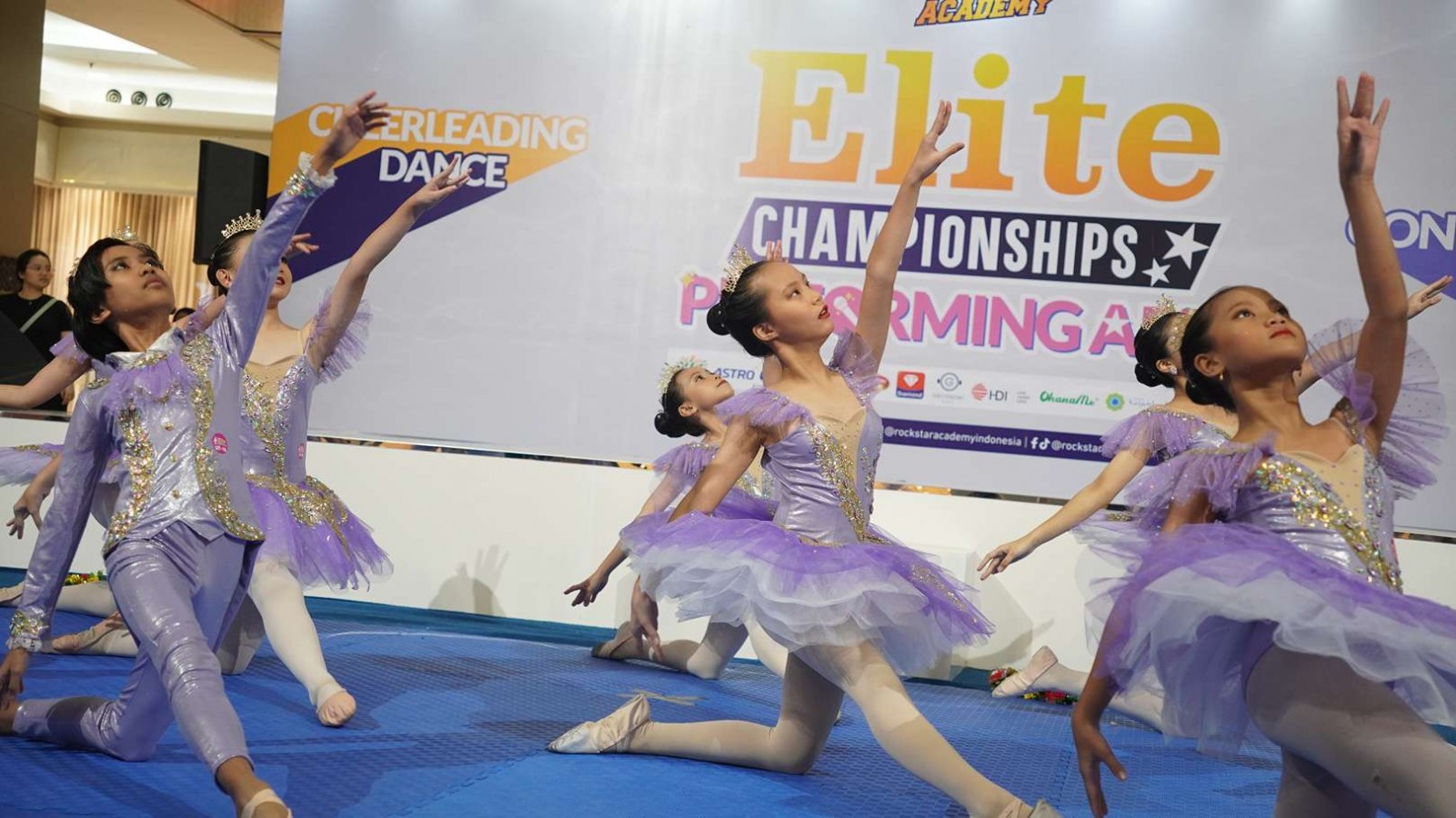
Ballet is, at its heart, a storytelling art form, and the port de bras is the storyteller’s most potent tool. In Russian ballet, the arms are not just extensions of the body; they are the voice of the dancer’s character. A sudden, sharp extension of the arms can convey shock or defiance, while a slow, sweeping motion might evoke tenderness or longing. The port de bras becomes a language without words, a silent dialogue between the dancer and the audience.
Consider the role of the port de bras in a classical variation, such as that of Odette in Swan Lake. As she glides across the stage, her arms move in a series of fluid, circular motions, each gesture a reflection of her internal conflict—her beauty and grace masking her inner turmoil. The port de bras here is not just a technical requirement; it is the heartbeat of the character, pulsing with every step. The arms do not merely accompany the body; they are the body’s emotional echo.
This emotional depth is further amplified by the Russian tradition of mime, where gestures are not just decorative but narrative. A dancer’s port de bras can signify a plea, a command, or a declaration of love, all without a single spoken word. The precision of the technique ensures that these gestures are unmistakable, leaving no room for ambiguity. In this way, the port de bras becomes a bridge between the dancer and the audience, a silent conversation that transcends language and culture.
From Classroom to Stage: The Discipline Behind the Grace
The elegance of the Russian port de bras is not achieved through mere talent—it is the result of rigorous training and an unwavering commitment to discipline. In the ballet classroom, students spend countless hours perfecting the placement of their arms, ensuring that each movement is executed with the utmost precision. The Vaganova method, the cornerstone of Russian ballet training, places a strong emphasis on the port de bras as a fundamental element of technique.
During a typical ballet class, the port de bras is integrated into every exercise, from the simplest tendu to the most complex grand allegro. Students are taught to maintain a consistent arm line, one that is neither too high nor too low, but always in harmony with the rest of the body. The arms must move in tandem with the head and torso, creating a seamless flow of motion. This integration is not just about aesthetics—it is about efficiency. A well-executed port de bras conserves energy, allowing the dancer to perform with greater stamina and control.
The discipline extends beyond the physical. Russian ballet dancers are trained to approach their craft with a sense of reverence, viewing each movement as a sacred ritual. The port de bras, in particular, is treated with a level of respect that borders on the spiritual. It is not merely a technique to be mastered but an art form to be revered. This mindset imbues the dancer’s performance with a sense of purpose and intention, elevating it from mere physicality to something transcendent.
Variations and Adaptations: The Port de Bras in Different Styles
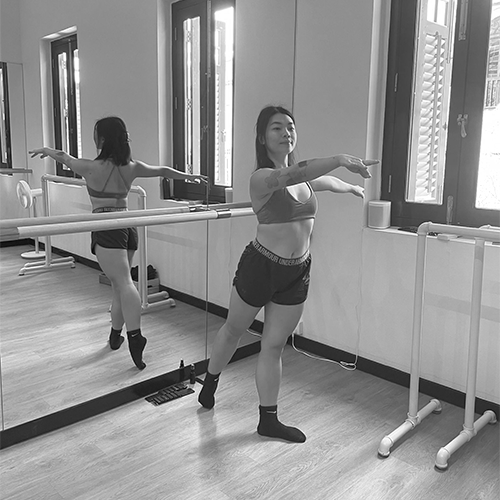
While the Russian port de bras is often associated with classical ballet, its principles extend far beyond the confines of the traditional repertoire. In contemporary ballet, for example, dancers may adapt the port de bras to suit the demands of modern choreography, blending the precision of the Russian school with more fluid, improvisational movements. The result is a fusion of old and new, where the discipline of the past informs the innovation of the present.
In neoclassical works, the port de bras often takes on a more abstract quality, with dancers using their arms to create geometric shapes and dynamic lines. The sharp angles of the Russian style are softened, giving way to a sense of freedom and experimentation. Yet, even in these modern interpretations, the underlying principles of opposition and control remain, a testament to the enduring legacy of the Russian school.
Folk and character dances also draw upon the port de bras, though with a greater emphasis on stylistic flair. In these performances, the arms become a vehicle for cultural expression, with gestures that are both exaggerated and precise. The port de bras here is not just a technical tool but a celebration of heritage, a way to honor the traditions that have shaped ballet as an art form.
Common Misconceptions and the Importance of Proper Training
Despite its ubiquity in ballet, the port de bras is often misunderstood. Many dancers, particularly those new to the art form, view it as a secondary concern, something to be tacked on after the legs and feet have been mastered. This misconception is not only detrimental to their technique but also to their artistic development. The port de bras is not an afterthought—it is the soul of the dance.
Another common mistake is the overemphasis on arm placement at the expense of fluidity. Some dancers become so fixated on achieving the “perfect” line that they sacrifice the natural flow of movement. The Russian school, however, teaches that the port de bras must be both precise and organic, a balance that requires years of practice to achieve. It is not about rigidity but about control—control that allows the dancer to move with both grace and intention.
Proper training is essential to avoid these pitfalls. A skilled teacher will guide the dancer through the nuances of the port de bras, ensuring that each gesture is both technically sound and artistically expressive. The best dancers are those who understand that the port de bras is not just a series of shapes but a living, breathing part of the dance, one that evolves with every performance.
The Future of Port de Bras: Innovation Within Tradition
As ballet continues to evolve, so too does the port de bras. While the Russian school remains a cornerstone of classical training, contemporary choreographers are pushing the boundaries of what is possible with the arms. New styles and techniques are emerging, blending the precision of the past with the creativity of the present. Yet, even as the port de bras adapts to modern sensibilities, its core principles remain unchanged—a testament to the enduring power of tradition.
For aspiring dancers, the port de bras offers a lifelong journey of discovery. It is a technique that demands patience, discipline, and an unwavering commitment to excellence. But it is also a source of joy, a way to connect with the rich history of ballet and to express one’s own unique voice. Whether on the stage of the Bolshoi or in the intimacy of a local studio, the port de bras remains a symbol of the dancer’s artistry—a silent yet powerful testament to the beauty of human movement.
The next time you watch a Russian ballet dancer, pay close attention to their arms. You will see not just a series of gestures, but a story unfolding before your eyes. You will witness the discipline of a thousand hours of training, the passion of a lifetime dedicated to the art, and the magic of a tradition that has endured for centuries. In the port de bras, ballet finds its voice—and in that voice, we find a reflection of our own humanity.


Leave a Comment