

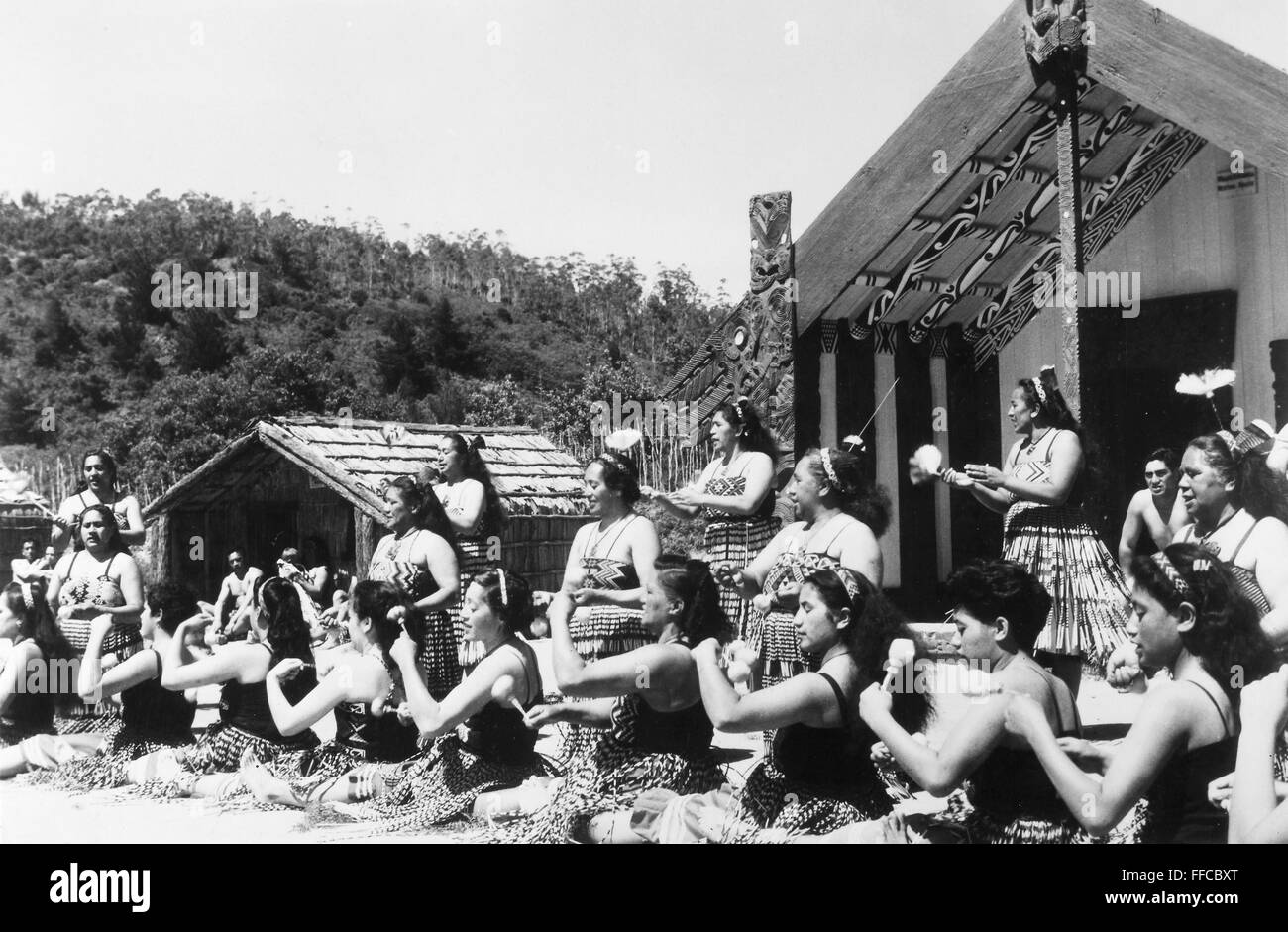
The Maori poi dance is not merely a cultural performance—it is a mesmerizing fusion of rhythm, motion, and light that predates modern LED spectacles by centuries. At first glance, the swirling balls on strings might resemble a child’s toy, but in the hands of a skilled performer, they transform into a hypnotic display of precision and artistry. This ancient tradition, rooted in the heart of Aotearoa (New Zealand), holds a secret: it is the original LED light show, a celestial dance of fire and shadow long before the advent of digital illumination. What makes the poi so captivating isn’t just its visual allure—it’s the way it weaves storytelling, spirituality, and physical prowess into a single, fluid motion. Let’s unravel why this centuries-old practice continues to dazzle, even in an age of pixelated brilliance.
The Poi as a Celestial Choreography
Imagine standing beneath a starlit sky, where the heavens themselves seem to pulse with energy. The poi dancer moves in harmony with this cosmic rhythm, their hands guiding the weighted balls in arcs that mimic the trajectories of comets or the orbits of planets. Each swing, each flicker of the poi, is a deliberate stroke against the backdrop of darkness, creating a living constellation. The balls—often adorned with soft fibers or illuminated by fire in traditional performances—leave trails of light that linger in the air like the afterimages of shooting stars. This celestial mimicry is no accident; it reflects the Maori worldview, where the natural world and human movement are inextricably linked. The poi isn’t just a dance—it’s a dialogue with the universe, a way to commune with the unseen forces that govern existence.
The Physics of Poi: A Masterclass in Kinetic Art
To the untrained eye, the poi may appear effortless, but beneath its grace lies a complex interplay of physics and biomechanics. The dancer’s wrists act as the fulcrum, while the weighted balls generate centrifugal force, creating the signature elliptical patterns. The speed and direction of these patterns can shift instantaneously, demanding split-second calculations from the performer. A well-executed poi sequence is a ballet of inertia and momentum, where the dancer’s body becomes a metronome, dictating the tempo of the dance. The poi’s motion isn’t just visually stunning—it’s a testament to the human capacity for precision and control. In an era where algorithms dictate the rhythms of our lives, the poi offers a raw, unfiltered connection to the mechanics of movement, a reminder that beauty often emerges from the most fundamental laws of nature.
The Poi as a Narrative Device: Weaving Stories in the Air
Every poi performance is a story waiting to be told. The dancer’s hands are not just instruments of motion; they are the quill of an ancient storyteller, etching tales into the air with every arc and loop. In traditional Maori culture, poi is often used to convey myths, histories, and spiritual journeys. The patterns can represent the ebb and flow of tides, the flight of birds, or the cyclical nature of life and death. The poi’s circular motions, for instance, may symbolize the never-ending cycle of existence, while its rhythmic beats can mimic the heartbeat of the earth itself. This narrative depth transforms the poi from a mere performance into a living archive, a way to preserve and transmit cultural wisdom across generations. In a world where stories are increasingly consumed in bite-sized digital fragments, the poi’s ability to convey entire sagas in a single, fluid motion feels almost revolutionary.

The Poi’s Spiritual Resonance: A Bridge Between Worlds
The poi is more than a dance—it is a spiritual practice, a bridge between the physical and the metaphysical. In many Maori traditions, the poi is believed to possess a life force of its own, a mana that connects the dancer to the divine. The rhythmic beats of the poi can induce a trance-like state, both for the performer and the audience, creating a shared experience of transcendence. This spiritual dimension is what elevates the poi beyond mere entertainment; it becomes a ritual, a form of prayer, a way to honor the ancestors and invoke their guidance. The poi’s hypnotic patterns aren’t just visually captivating—they are a gateway to altered states of consciousness, a reminder that art and spirituality have always been intertwined. In an age where digital distractions fragment our attention, the poi offers a rare opportunity to reconnect with something deeper, something primal.
The Poi in Modern Times: A Timeless Innovation
While the poi’s origins lie in ancient tradition, its appeal is undeniably modern. Contemporary performers have reimagined the poi, incorporating LED lights, fire, and even wearable technology to create dazzling spectacles that rival the best light shows of today. Yet, despite these innovations, the essence of the poi remains unchanged—a testament to its enduring power. The poi’s ability to adapt while retaining its core identity speaks to its universal appeal. It is a dance that transcends time, a living artifact that continues to evolve without losing its soul. In a world where trends flicker and fade like the pixels on a screen, the poi stands as a beacon of authenticity, a reminder that true artistry is timeless.
The Poi’s Psychological Allure: Why It Mesmerizes Us
There’s something deeply primal about the poi that hooks the human psyche. Studies in neuroscience suggest that our brains are wired to respond to rhythmic, repetitive motion, a phenomenon known as “entrainment.” The poi’s circular patterns trigger this response, inducing a state of calm focus that borders on meditation. The visual rhythm of the poi also taps into our innate love for symmetry and balance, creating a sense of order amidst chaos. But perhaps the most compelling reason for the poi’s mesmerizing effect is its unpredictability. No two performances are alike, and even the most skilled dancer can introduce subtle variations that keep the audience on the edge of their seats. This blend of precision and spontaneity creates a dynamic tension that feels both familiar and exhilarating—a dance that is at once ancient and alive.
The Poi as a Symbol of Cultural Resilience
In an era where indigenous traditions face erasure and appropriation, the poi stands as a symbol of resilience and cultural pride. For the Maori people, the poi is more than a dance—it is an act of defiance, a reclaiming of identity in the face of colonization. The revival of poi in modern times, particularly through groups like Kapa Haka, has been a powerful assertion of cultural sovereignty. The poi’s global appeal has also helped to dismantle stereotypes, showcasing the depth and complexity of Maori artistry. In a world where cultures are often reduced to stereotypes, the poi offers a nuanced, authentic glimpse into the richness of Maori heritage. It is a reminder that traditions are not relics of the past but living, breathing entities that continue to shape the present.
The Maori poi dance is a marvel—a living testament to the intersection of art, science, spirituality, and storytelling. It is the original LED light show not because it mimics modern technology, but because it embodies the same principles of rhythm, motion, and light that define our fascination with illumination. The poi’s enduring appeal lies in its ability to transcend the boundaries of time and culture, offering a glimpse into a world where dance is not just entertainment but a sacred act. In an age of digital overload, the poi reminds us of the power of simplicity, the beauty of repetition, and the magic that happens when human hands meet the rhythm of the universe. Whether performed under the stars or on a modern stage, the poi continues to captivate, to inspire, and to illuminate the path forward.


Leave a Comment