

The Powwow Grass Dance is more than a dance. It is a living archive of movement, memory, and medicine. Across generations, it has carried the weight of cultural continuity while remaining a fluid, ever-evolving expression of Indigenous identity. Often observed as a vibrant spectacle of color and rhythm, its deeper essence lies in its role as the oldest known form of moving meditation—a practice where motion becomes prayer, and rhythm becomes ritual. To witness a Grass Dance is to see time itself bend: the past in the regalia’s stitches, the present in the dancer’s breath, and the future in the unbroken circle of community.
What draws people to this ancient tradition? Why does a dance rooted in the Great Plains resonate so deeply across continents and cultures? The answer lies not in its visual drama alone, but in its quiet power to transform movement into meaning. The Grass Dance is a dance of the earth, a dialogue between body and land, where every step echoes the footsteps of ancestors and every sway of the fringe whispers stories older than written language. It is a moving meditation because it does not just occupy space—it sanctifies it, turning the ground beneath the feet into sacred soil.
The Dance of the Earth: Origins and Sacred Movement
The Grass Dance traces its lineage to the Great Plains, where it emerged among the Omaha, Ponca, and other Dhegihan-speaking peoples. Originally, it was not merely an art form but a ceremonial act—one that prepared the ground for communal gatherings. Dancers would move in a way that mimicked the swaying of prairie grasses under the wind, their fringe swaying in rhythmic unison with the earth’s breath. This was not performance; it was participation. The dancers believed that by moving in harmony with the land, they could invoke balance, healing, and renewal.
Over time, the Grass Dance evolved into a central feature of the powwow, a modern ceremonial gathering that blends tradition with contemporary expression. Yet, its core remains unchanged: it is a dance of reciprocity. The dancer gives movement; the earth responds with presence. This reciprocal relationship transforms the dance floor into a liminal space—a threshold between worlds where time dilates and the sacred becomes tangible. To move in such a way is to enter a state of moving meditation, where the mind stills, the body aligns, and the spirit listens.
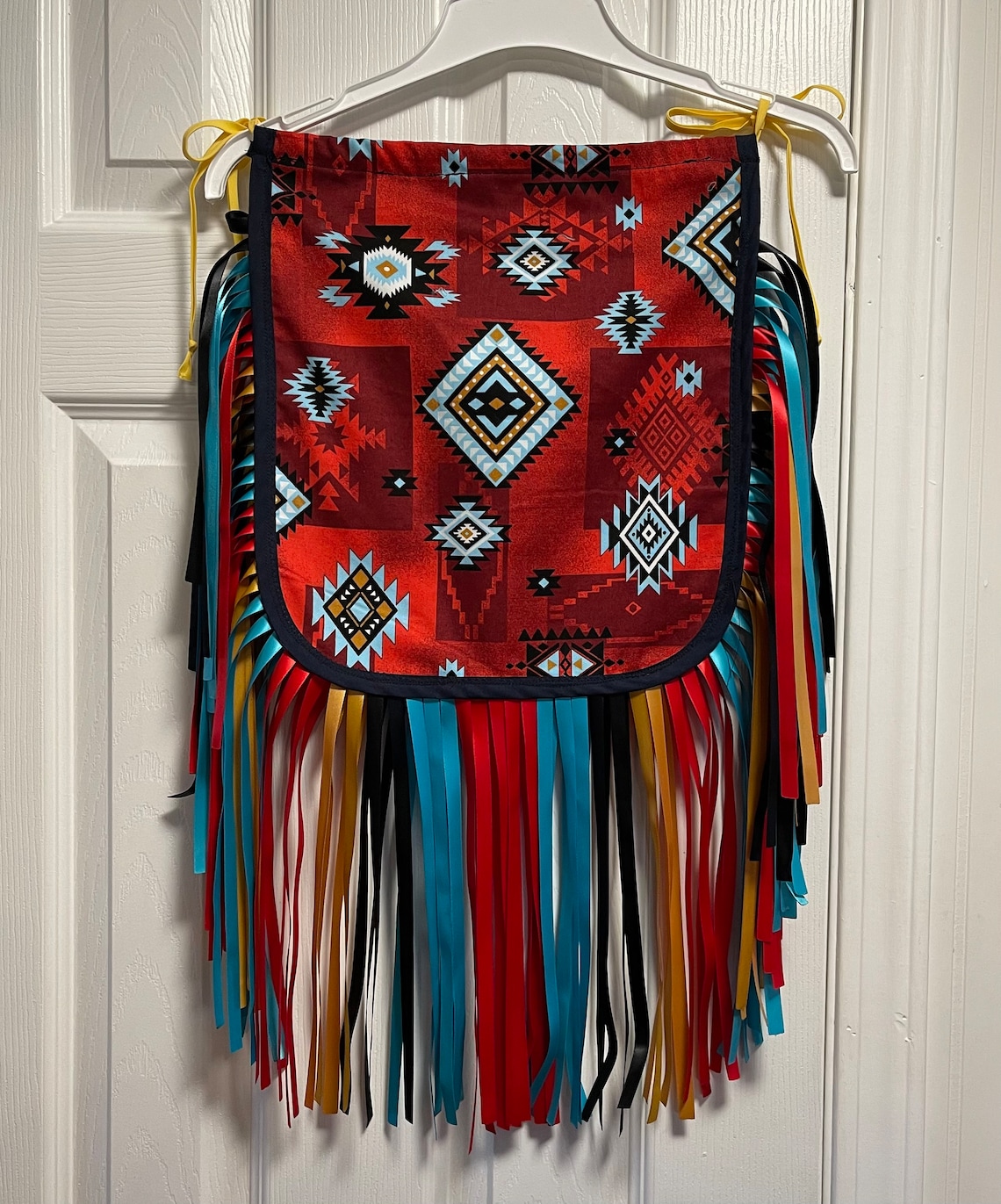
The regalia worn in the Grass Dance is not merely decorative; it is a second skin, a living extension of the dancer’s intent. Fringe made of yarn or ribbon ripples with every step, creating a visual echo of the prairie winds. The colors—often red, yellow, blue, and green—are not chosen at random. They carry symbolic weight: red for the earth, yellow for the sun, blue for the sky, green for growth. Each stitch, each bead, each feather is a prayer woven into fabric, a silent incantation that the dancer carries into motion.
Rhythm as Breath: The Sonic Architecture of Stillness
At the heart of the Grass Dance lies rhythm—not the relentless pulse of a drumline, but the measured, breathing rhythm of a heartbeat. The drum, often played by multiple drummers in unison, produces a deep, resonant sound that vibrates through the body like a second pulse. This is not music to be heard; it is music to be felt. The dancer’s steps align with the drum’s cadence, creating a synchronicity that transcends mere coordination. It is a somatic dialogue, a conversation between body and sound where silence and motion exist in perfect equipoise.
The song structure of a Grass Dance song is cyclical, mirroring the natural rhythms of the earth. A song may begin softly, like the first light of dawn, then swell to a crescendo before gently receding, like the tide returning to the sea. The dancers follow this arc, their movements mirroring the song’s rise and fall. This cyclical nature is not accidental; it is intentional. It teaches the dancer to move with patience, to wait, to listen—not just to the drum, but to the inner voice that guides each step.
This rhythmic discipline is where the meditation lies. In a world that demands constant motion, the Grass Dance offers a counterpoint: a stillness within movement. The dancer learns to move without rushing, to breathe without gasping, to exist in the present without being pulled into the future. It is a form of embodied mindfulness, where the body becomes both the instrument and the practitioner of meditation.
The Regalia as Living Prayer: Craft, Symbolism, and Identity
To wear Grass Dance regalia is to wear a story. Every piece—from the roach headdress adorned with eagle feathers to the beaded belts and ribbons cascading down the legs—is imbued with meaning. The roach, often made from porcupine quills or dyed horsehair, symbolizes the connection to the animal kingdom and the warrior spirit. The fringe, meticulously hand-sewn, is not just adornment; it is a tactile prayer, a reminder that every step leaves an imprint on the earth and on the self.
The creation of regalia is a sacred act, often passed down through generations. A mother may sew regalia for her son, infusing each stitch with love and intention. The materials themselves carry significance: beads from trade routes, ribbons from distant lands, feathers from birds that soar between worlds. This layering of history and hope makes the regalia more than fabric and adornment—it becomes a wearable archive of identity, resilience, and continuity.
The act of dressing in regalia is itself a ritual. It is a moment of transformation, where the dancer steps out of the ordinary and into the sacred. The weight of the regalia on the shoulders, the sway of the fringe with each breath, the sound of the bells or jingles as the dancer moves—all of these elements combine to create a sensory cocoon that shields the dancer from distraction and invites presence.

From Ceremony to Continuity: The Grass Dance in Modern Times
In the 21st century, the Grass Dance has transcended its regional origins to become a global symbol of Indigenous resilience and cultural pride. It appears not only in powwows across North America but also in international Indigenous gatherings, where dancers from diverse nations come together to share movement and meaning. This expansion has sparked both celebration and scrutiny. Some purists argue that the dance risks losing its cultural specificity when performed outside its original context. Yet, others see it as a testament to the universality of its message: that movement can be a form of prayer, and that rhythm can be a bridge between peoples.
The modern powwow is a living laboratory of tradition and innovation. Young dancers, often children, are now seen in regalia that blends traditional elements with contemporary flair—metallic threads, digital prints, or unconventional color palettes. While some may view this as a departure from authenticity, it is, in fact, a continuation of a tradition that has always adapted. The Grass Dance has never been static; it has always been a dialogue between past and present, between individual expression and communal identity.
Technology has also played a role in the Grass Dance’s evolution. Social media platforms allow dancers to share their movements with global audiences, fostering cross-cultural appreciation and understanding. A video of a young dancer moving in perfect sync with the drum can inspire someone halfway across the world to explore their own heritage or simply find solace in the rhythm. This digital dissemination has democratized access to the dance, making it not just a tribal practice but a universal language of movement and meaning.
Yet, with this global reach comes responsibility. The Grass Dance is not a costume to be worn lightly, nor a trend to be appropriated. It is a living tradition with deep spiritual roots. Respect is not just a gesture; it is a practice. It means learning the stories behind the regalia, understanding the songs, and approaching the dance with humility and reverence. The Grass Dance teaches that true participation requires more than physical movement—it requires emotional and spiritual engagement.
The Alchemy of Presence: Why the Grass Dance Captivates the World
What is it about the Grass Dance that captivates audiences beyond its cultural boundaries? Why do people from all walks of life find themselves drawn to its rhythm, its colors, its quiet intensity? The answer may lie in its paradoxical nature: it is both ancient and immediate, both communal and deeply personal. In a world that often feels fragmented, the Grass Dance offers a vision of wholeness. It shows that movement can be prayer, that rhythm can be medicine, and that stillness can exist within motion.
The dance’s meditative quality is its most universal appeal. In an era of digital distraction and constant stimulation, the Grass Dance offers a return to embodied presence. The dancer is not performing for an audience; they are communing with the earth, the drum, and the ancestors. The audience, in turn, is not watching a show; they are witnessing a ritual of connection. This shared experience creates a sense of belonging, a reminder that we are all part of something larger than ourselves.
The Grass Dance also speaks to a deep human longing for authenticity. In a world of curated identities and performative personas, the dance is unapologetically real. The regalia is handmade, the songs are ancient, the steps are learned through repetition and reverence. There is no script, no performance artifice—just the raw, unfiltered expression of spirit through movement. This authenticity is magnetic. It invites people to shed their own masks and step into a space of vulnerability and truth.
Moreover, the Grass Dance carries a message of resilience. It is a dance that has survived colonization, cultural erasure, and the passage of time. It has adapted, evolved, and endured. In doing so, it offers a model for how traditions can survive and thrive in the modern world. The Grass Dance teaches that continuity does not require stagnation; it requires adaptation, respect, and a willingness to listen to the voices of the past while stepping boldly into the future.
The Powwow Grass Dance is not merely a relic of the past; it is a living, breathing testament to the power of movement as medicine. It is the oldest moving meditation because it has always been more than dance—it has been a way of being. To move in the Grass Dance is to remember that the earth is alive, that rhythm is sacred, and that every step is a prayer. In a world that often feels disconnected, the Grass Dance offers a path back to presence, to community, and to the quiet, steady pulse of life itself. It reminds us that meditation does not always require sitting still; sometimes, it requires moving with intention, with heart, and with the earth beneath our feet.


Leave a Comment