

The pause is not absence. It is not silence. It is a living, breathing entity that hangs in the air like a held note, a suspended breath, a moment where time itself seems to lean in. When used with precision, it can transform a speech into a symphony, a story into a spell, a lecture into a revelation. The pause is the architect of tension, the sculptor of suspense, the invisible hand that guides an audience to the edge of their seats—only to leave them there, suspended in anticipation. This is not mere technique. It is alchemy. And when mastered, it doesn’t just capture attention—it commands it.
To make an audience hold its breath is to wield one of the most potent tools in the orator’s arsenal. Whether you’re delivering a eulogy, performing spoken word, teaching a masterclass, or narrating a podcast, the strategic pause is your secret weapon. It doesn’t just punctuate your words—it amplifies them. It doesn’t just separate ideas—it forges emotional bridges. And when used at the right moment, it doesn’t just make people listen—it makes them feel.
But how do you craft a pause that doesn’t just linger, but lingers with purpose? How do you turn a moment of stillness into a moment of transformation? The answer lies not in the length of the silence, but in the depth of its intention. Let’s explore the anatomy of the pause—its types, its techniques, and the transformative power it holds over an audience.
The Dramatic Pause: The Art of Controlled Suspense
The dramatic pause is the pause of revelation. It’s the moment before the knife drops, the instant before the truth is spoken, the breath before the storm. It thrives in spaces where anticipation is already high—before a confession, a climax, or a shocking fact. This is not a pause of hesitation, but of deliberate tension. Think of it as the literary equivalent of a held chord in music: it doesn’t resolve the melody, but it makes the resolution inevitable.
Imagine delivering a eulogy. You’ve been speaking softly, sharing memories, weaving a tapestry of grief and warmth. Then, you pause. Not for a second—longer. The room tenses. Eyes lift. Hearts race. And then, in that suspended silence, you say the words that change everything: “He never told us he was sick.” The pause doesn’t just precede the sentence—it gives it weight. It turns information into revelation. It turns a statement into a gut punch.

This pause is not timid. It is bold. It doesn’t whisper—it commands. It doesn’t ask permission—it takes the stage. Use it sparingly, like a single, perfect diamond in a ring of gold. One dramatic pause per key moment is enough to etch your words into memory. Overuse it, and it loses its magic. But when used with surgical precision, it turns a speech into an experience.
The Reflective Pause: The Space Between Thought and Expression
Where the dramatic pause commands, the reflective pause invites. It’s the pause of introspection, the moment where the speaker steps back to let the audience step forward—into their own minds. This is the pause of philosophy, of poetry, of deep emotional resonance. It’s not about building suspense, but about creating space for meaning to settle.
Consider a teacher explaining a complex concept. You’ve laid out the theory, given examples, connected the dots. Now, you pause. Not to gather your thoughts, but to let the students catch up. To let the idea breathe. To let the weight of what you’ve said sink in. In that silence, minds wander. Hearts ponder. Understanding deepens. This is the pause of transformation—not just in what is said, but in how it is received.
In spoken word poetry, the reflective pause is sacred. It’s the moment after a line that lingers like smoke, where the audience is left to feel the weight of the words. It’s the space between “I am the storm” and “and you are the shore.” That pause isn’t empty—it’s full. Full of emotion. Full of possibility. Full of the unspoken.

Use the reflective pause when you want your audience to not just hear you, but to feel you. When you want them to carry your words with them long after you’ve stopped speaking. It’s the pause of depth, the pause of resonance, the pause that turns a message into a memory.
The Pivotal Pause: The Turning Point of a Narrative
Every great story has a pivot—a moment where the direction shifts, where the plot turns, where the character’s fate is sealed. The pivotal pause is the breath before that turn. It’s the silence that signals: something is about to change. This is the pause of narrative architecture, the moment where the audience leans in because they sense the ground shifting beneath them.
Think of a thriller novel’s climax. The hero is cornered. The villain looms. The tension is unbearable. Then—silence. A pause so thick it could be cut with a knife. And in that pause, the hero makes a choice. The villain strikes. The story pivots. The audience is left gasping, not because of what happened, but because of the pause that made it inevitable.
In public speaking, the pivotal pause often comes before a call to action. You’ve built your case, shared your evidence, made your argument. Now, you pause. The room holds its breath. And then—you say the words that demand a response. “It’s time to act.” The pause doesn’t just precede the call—it gives it power. It turns persuasion into conviction.
This pause is not passive. It is active. It is the moment where the audience realizes they are no longer spectators—they are participants. They are part of the story now. And that realization is what makes the pause so electric.
The Emotional Pause: When Silence Speaks Louder Than Words
Some pauses don’t just complement words—they replace them. The emotional pause is the silence that conveys what words cannot. It’s the moment after a loss, the instant before a confession, the breath between “I love you” and “I’m leaving.” In these moments, language fails. But silence does not.
Imagine delivering a eulogy for someone taken too soon. You’ve shared stories, honored their life, spoken of their legacy. Now, you pause. Not to speak, but to let the grief settle. The audience doesn’t need more words. They need space. They need to feel. That pause is not a gap—it’s a bridge. It connects you to them. It connects them to the truth of the moment.
In music, this is the rest between notes—the silence that gives the melody its soul. In speaking, it’s the pause that gives the words their heart. It’s the difference between saying “I’m sorry for your loss” and letting the silence say it for you. One is polite. The other is profound.
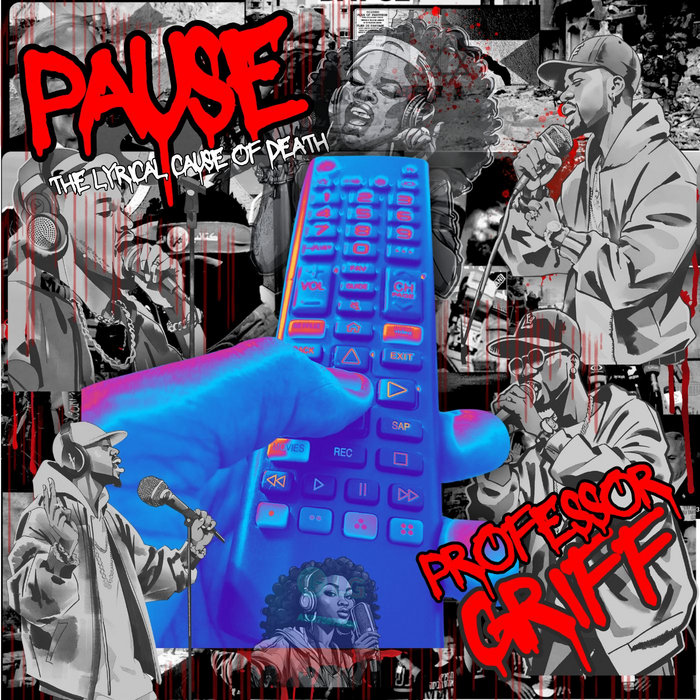
The emotional pause is not for the faint of heart. It requires courage. It requires trust—in yourself, in your audience, in the power of silence. But when used with authenticity, it doesn’t just convey emotion—it becomes emotion. It turns a speech into a shared experience. It turns a moment into a memory.
The Strategic Pause: The Calculated Delay That Commands Attention
Not all pauses are born equal. Some are born of emotion. Some of reflection. Some of drama. But the strategic pause is born of calculation. It’s the pause you plan, rehearse, and deploy with precision. It’s the moment where you know exactly what you’re doing—and why you’re doing it.
This is the pause of the seasoned speaker, the performer, the leader who understands that silence is not the absence of sound, but the presence of power. It’s the pause before a key point, the delay before a punchline, the hesitation before a revelation. It’s not about waiting—it’s about making them wait.
Think of a comedian delivering a joke. The setup is clean. The audience is primed. Then—silence. A beat. Two beats. The comedian looks around, as if surprised by the joke themselves. The tension builds. And then—BAM. The punchline lands. The pause didn’t just set up the joke—it made it land harder. It turned a good joke into a great one.
In business presentations, the strategic pause is your secret weapon. You’ve made your point. Now, you pause. You let it sink in. You let the audience process. You let the idea take root. And then, you move on—leaving them with the weight of what you’ve said. This is not filler. This is design. This is the pause as a tool of influence.
The pause is more than a breath between words. It is the heartbeat of your message. It is the rhythm that turns speech into music, ideas into experiences, and audiences into believers. Whether you wield it as a scalpel, a spotlight, or a mirror, its power is undeniable. It doesn’t just fill silence—it transforms it. It doesn’t just separate thoughts—it elevates them. And when used with intention, it doesn’t just make people listen—it makes them feel.
So the next time you speak, don’t just fill the air with words. Let the silence speak too. Let the pauses breathe. Let the audience hold its breath—and when you’re ready, let them exhale with you. That is the pause that kills—not in destruction, but in revelation. Not in silence, but in transformation.


Leave a Comment