

In the realm of portrait photography, few challenges are as universally vexing—or as critical—as the art of illuminating a face without surrendering the eyes to the tyranny of shadows. The eyes, those luminous portals to the soul, demand a spotlight of their own, yet too often they languish in half-light, their depths obscured by the cruel geometry of unflattering illumination. But what if you could banish those shadows not just temporarily, but with a mastery that transforms your portraits into windows to the soul? What if the secret lay not in brute force, but in the delicate dance of light itself? Prepare to rethink everything you thought you knew about facial lighting, because the path to eyes that gleam with clarity and depth is simpler—and more transformative—than you ever imagined.
The Myth of the “Even” Light: Why Flat Illumination Fails the Eyes
We’ve all seen it: the portrait where the face is bathed in a uniform glow, yet the eyes remain lifeless, their sparkle smothered by the absence of contrast. This is the curse of flat lighting—a technique that promises evenness but delivers only dullness. The human face is not a blank canvas; it’s a landscape of contours, textures, and subtle undulations. When light strikes it head-on, it flattens these features, robbing the eyes of the dimensionality that makes them compelling. Shadows aren’t the enemy here; they’re the sculptors of character. The key is not to eliminate them entirely, but to orchestrate them with intention, ensuring that the eyes remain the undeniable focal point of every frame.
Consider the way sunlight filters through a window at dawn. It doesn’t strike the face with brute force; instead, it caresses the cheekbones, lingers in the hollows of the eyes, and leaves the rest in a gentle gradient of half-light. This is the essence of soft, directional lighting—a technique that mimics nature’s subtlety. To replicate this, abandon the idea of a single, overpowering light source. Instead, embrace a multi-layered approach where light is both a sculptor and a storyteller, shaping the face while leaving the eyes to command the narrative.
The Golden Hour Principle: Harnessing Natural Light Like a Pro
There’s a reason golden hour—the fleeting minutes after sunrise or before sunset—is revered in photography. During this time, the sun sits low on the horizon, casting long, soft shadows that emphasize the contours of the face. The eyes, those windows to the soul, become pools of light, their depths accentuated by the gentle gradient of illumination. But golden hour isn’t just about timing; it’s about technique. Position your subject so the light hits them at a 45-degree angle, illuminating one side of the face while leaving the other in a soft shadow. This creates a natural chiaroscuro effect, where the eyes on the lit side gleam with life, while the shadows add depth and intrigue.

But what if golden hour isn’t an option? Enter the magic of diffusion. A sheer white sheet, a softbox, or even a bedsheet stretched across a window can mimic the softness of natural light. The goal is to soften the edges of your light source, turning harsh rays into a gentle embrace. Place your subject near the window, with the light hitting them at an angle, and watch as the shadows recede, leaving the eyes to sparkle like diamonds in the rough.
The Three-Point Lighting Revolution: A Blueprint for Eye-Catching Portraits
For those who prefer the precision of artificial light, the three-point lighting setup is a game-changer. This classic technique involves three key elements: a key light, a fill light, and a backlight. The key light is your primary source, positioned at a 45-degree angle to the subject, illuminating the face while casting subtle shadows. The fill light, placed opposite the key light, softens these shadows without erasing them entirely, ensuring the eyes remain the focal point. The backlight, positioned behind the subject, separates them from the background, adding a halo of light that makes the eyes pop.

But here’s the twist: the fill light doesn’t have to be as bright as the key light. In fact, it should be softer, creating just enough illumination to tame the shadows without flattening the face. Think of it as a whisper rather than a shout. And the backlight? It doesn’t have to be blinding. A subtle rim of light around the subject’s hair or shoulders is enough to draw the eye to the face, where the real magic happens.
Eyes as the North Star: Directing the Viewer’s Gaze
The eyes are not just a feature to illuminate; they are the compass that guides the viewer through your portrait. To ensure they command attention, you must treat them as the North Star of your composition. Position your key light so it highlights the eyes first, then cascades down the face. Avoid placing the light source too high, as this can create unflattering shadows under the brows. Instead, aim for a height that aligns with the subject’s eyes, ensuring the light kisses the eyelids and cheekbones in equal measure.
But lighting is only half the battle. The direction of the subject’s gaze plays a crucial role in directing attention. A slight tilt of the head, a turn of the eyes toward the camera—these subtle shifts can make the difference between a portrait that feels alive and one that feels static. Encourage your subject to engage with the light, to lean into it, to let it caress their face. The eyes will follow, and the viewer’s gaze will be inexorably drawn to the heart of the image.
The Art of the Catchlight: Crafting a Window to the Soul
No discussion of eye lighting would be complete without mentioning the catchlight—the tiny reflection of light in the subject’s eyes that acts as a window to their soul. A well-placed catchlight can transform a portrait from ordinary to extraordinary, adding a spark of life that draws the viewer in. To create a catchlight, position your key light so it reflects directly in the eyes. A small, round catchlight (often called a “window light” effect) is classic, but don’t be afraid to experiment with shapes—stars, hearts, or even abstract patterns can add a touch of whimsy to your portraits.
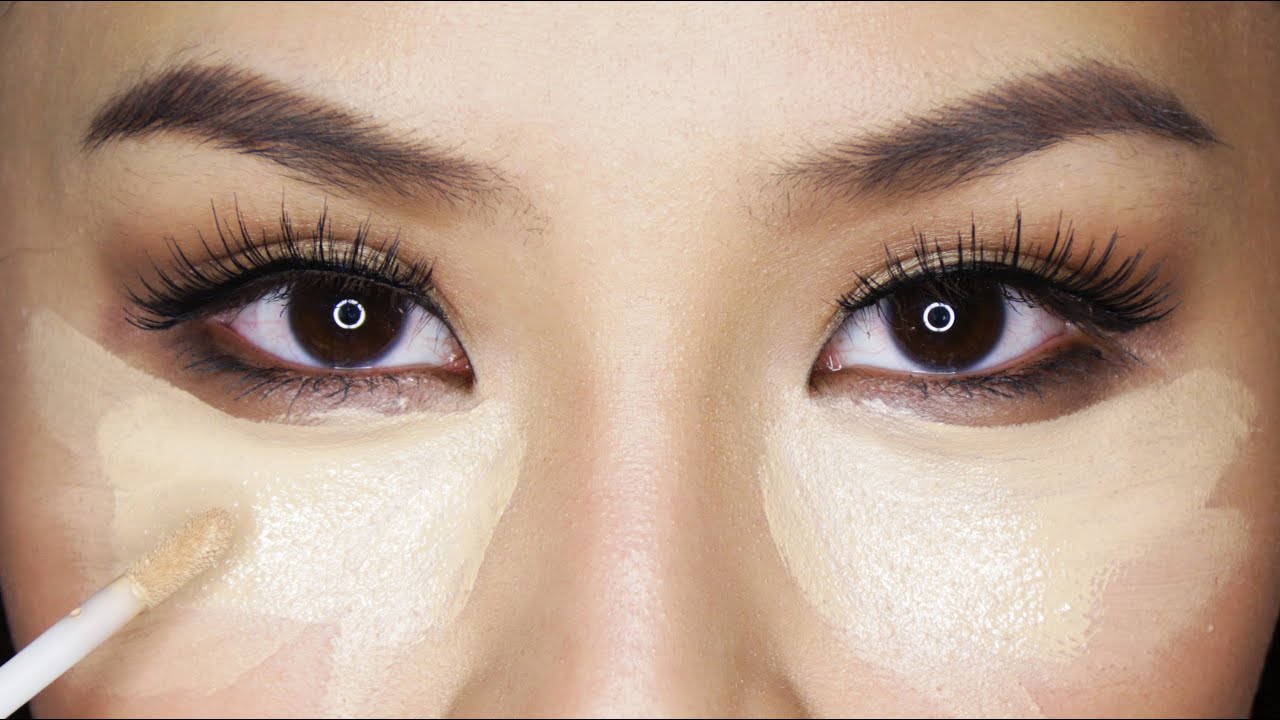
But beware the overpowering catchlight. If the reflection is too harsh or too large, it can distract from the subject’s expression. The goal is subtlety—a gentle glint that hints at the light’s presence without stealing the show. And remember, the catchlight isn’t just a technical trick; it’s an emotional bridge. It’s the difference between a portrait that feels distant and one that feels intimate, as if the subject is sharing a secret with the viewer.
The Final Touch: Post-Processing as the icing on the Cake
Even the most meticulously lit portrait can benefit from a touch of post-processing magic. In Lightroom or Photoshop, subtle adjustments to contrast, shadows, and highlights can enhance the eyes, making them appear brighter and more inviting. Use the dodge and burn tools to brighten the catchlight and darken the shadows around the eyes, adding depth and dimension. But tread lightly—over-editing can strip away the natural beauty of your lighting setup, leaving the portrait feeling artificial.
Pay special attention to the whites of the eyes. A slight increase in brightness here can make the eyes appear more awake and alert, while a gentle desaturation can remove any unwanted color casts. And don’t forget the iris. Enhancing the saturation of the irises can make the eyes pop, but avoid going overboard. The goal is to enhance, not exaggerate.
Finally, consider cropping your portrait to emphasize the eyes. A tight crop around the face can draw the viewer’s attention directly to the subject’s gaze, making the portrait feel more intimate and engaging. But be mindful of the rule of thirds—position the eyes along the upper horizontal line to create a balanced, visually pleasing composition.
Mastering the art of lighting a face without shadows hiding the eyes is not just about technical skill; it’s about storytelling. It’s about using light to reveal the depth of a person’s character, to capture the fleeting expressions that make them unique. It’s about transforming a simple portrait into a window to the soul. So the next time you pick up your camera, remember: the eyes are not just a feature to illuminate. They are the heart of your image, the spark that ignites the viewer’s imagination. Light them with intention, and watch as your portraits come alive.


Leave a Comment