

The art of the braided essay is a symphony of narrative threads, each timeline a distinct voice in a grander composition. Like the slow, deliberate weaving of fibers into a tapestry, this form of writing demands precision, patience, and an intuitive grasp of rhythm. It is not merely about juxtaposing three stories; it is about orchestrating them so that they resonate in harmony, each strand enhancing the others without losing its individuality. For writers and readers alike, the braided essay offers a labyrinthine journey—one where the path is as compelling as the destination. Whether you are a seasoned wordsmith or a curious reader, understanding this craft can transform how you perceive storytelling itself.
Imagine standing at the confluence of three rivers, each flowing from a different source, yet all converging into a single, shimmering delta. The braided essay operates on this principle. It interlaces three distinct timelines—whether they are personal anecdotes, historical events, or thematic explorations—into a cohesive whole. The challenge lies not in the complexity of the threads but in the dexterity of the weaver. How do you ensure that the reader does not become ensnared in the tangle? How do you maintain clarity while embracing the chaos of multiple narratives? These are the questions that define the artistry of this form.

The Tripartite Foundation: Choosing Your Timelines
The first step in crafting a braided essay is selecting the timelines that will form its backbone. These are not arbitrary choices; they must be deliberate, each serving a purpose beyond mere decoration. Consider the timelines as characters in a play—each with its own arc, motivations, and conflicts. A personal memoir might braid childhood memories with present-day reflections and a historical event that shaped the protagonist’s life. Alternatively, a thematic exploration could intertwine scientific discoveries, cultural shifts, and personal anecdotes to illuminate a broader idea.
The key is contrast. The timelines should complement each other while offering distinct perspectives. For instance, a braided essay on climate change might weave together scientific data, political debates, and a family’s struggle to adapt to environmental shifts. The interplay between these threads creates a richer, more nuanced narrative. It allows the reader to see the subject from multiple angles, fostering a deeper understanding. The timelines need not be linear; they can spiral, loop, or even pause, creating a dynamic rhythm that mirrors the complexity of the topic.
Another approach is to use timelines that are seemingly unrelated but reveal unexpected connections upon closer inspection. A braided essay on the concept of time might juxtapose a medieval philosopher’s musings, a modern physicist’s theories, and a personal story about waiting for a delayed train. The juxtaposition forces the reader to draw parallels, to see the universal in the specific. This technique is not just about weaving; it is about illuminating the hidden threads that bind disparate experiences together.
Structural Alchemy: The Braiding Technique
The structure of a braided essay is where the magic happens. Unlike traditional essays that follow a linear progression, the braided form thrives on fragmentation and recombination. The most common method is the “ABCABC” structure, where each timeline (A, B, and C) is given a segment before moving to the next. This creates a rhythmic alternation that keeps the reader engaged. However, the true artistry lies in the transitions between these segments. A seamless braid requires more than just alternating paragraphs; it demands a narrative glue that binds the timelines together.
One effective technique is to use a unifying motif or symbol that appears in each timeline. For example, a braided essay on memory might use a recurring image—a locked box, a faded photograph, a childhood toy—to anchor each thread. The motif acts as a thread that stitches the timelines together, providing a sense of cohesion even as the narratives diverge. Another approach is to use a shared theme or question that each timeline explores from a different angle. This thematic braiding ensures that the essay feels unified rather than disjointed.
The pacing of a braided essay is crucial. Too much alternation can overwhelm the reader, while too little can make the structure feel static. The ideal rhythm balances the timelines so that each has its moment to shine without overshadowing the others. Think of it as a dance where each partner takes turns leading, but the music remains cohesive. The writer must also consider the emotional arc of the essay. A well-crafted braid will build tension, resolve conflicts, and reach a climax where the timelines converge, creating a powerful emotional payoff.

Tonal Variety: The Voice of Each Timeline
Each timeline in a braided essay should have its own distinct voice, tone, and style. This tonal variety is what gives the essay its depth and richness. A personal narrative might be introspective and lyrical, while a historical timeline could be more factual and measured. A third timeline, perhaps a fictional or speculative thread, might adopt a dreamlike or allegorical tone. The contrast between these voices creates a dynamic interplay that keeps the reader engaged.
Consider the difference between a timeline written in first person and one written in third person. The first-person account is intimate, subjective, and immediate, drawing the reader into the writer’s personal experience. The third-person timeline, on the other hand, offers a broader perspective, allowing the reader to see the bigger picture. When these voices intertwine, they create a dialogue between the personal and the universal, the subjective and the objective. This interplay can be particularly powerful in essays that explore identity, memory, or societal issues.
Another way to vary the tone is through the use of different literary devices. A timeline might employ stream-of-consciousness writing to convey the chaos of a moment, while another could use sparse, declarative sentences to evoke clarity and precision. Metaphors, similes, and symbolism can also be used to differentiate the timelines. For example, a timeline about loss might use the metaphor of a shattered mirror, while a timeline about healing could use the image of a slowly mending crack. These subtle differences in tone and style enrich the essay, making it a multi-dimensional experience for the reader.
Thematic Resonance: Finding the Common Thread
A braided essay is more than just a collection of timelines; it is a unified exploration of a central theme. The timelines must not only coexist but also illuminate the theme from different angles. This thematic resonance is what elevates the essay from a clever structural exercise to a profound work of art. The theme could be something broad, like “the passage of time” or “the nature of memory,” or it could be more specific, like “the impact of a natural disaster on a community.”
To achieve thematic resonance, the writer must first identify the core idea that ties the timelines together. This idea should be something that resonates deeply, something that the writer is passionate about exploring. Once the theme is established, each timeline should be crafted to reflect or challenge that theme in some way. For example, a braided essay on “the illusion of control” might weave together a timeline about a scientist’s failed experiment, a personal story about a missed opportunity, and a historical account of a civilization that believed it could conquer nature. Each timeline serves to deepen the reader’s understanding of the theme, creating a cumulative effect.
Thematic resonance also requires a careful balance between unity and diversity. While the timelines should complement each other, they should not feel repetitive or redundant. Each thread should offer a new perspective, a fresh insight, or an unexpected twist. This is where the writer’s creativity comes into play. The challenge is to make the timelines feel both interconnected and distinct, like the branches of a tree that share the same roots but grow in different directions.
Reader Engagement: Navigating the Braid
For the reader, navigating a braided essay can feel like exploring a labyrinth—exciting, disorienting, and ultimately rewarding. The key to keeping the reader engaged lies in clarity and intentionality. While the structure may be complex, the path through the essay should never feel arbitrary. The writer must guide the reader with subtle cues, such as transitional phrases, recurring motifs, or even typographic cues like section breaks or italics. These signals help the reader orient themselves within the braid, ensuring they don’t lose their way.
Another way to enhance reader engagement is through the use of suspense and revelation. A well-crafted braided essay will build anticipation, teasing connections between the timelines before revealing them. For example, a timeline might end with a cliffhanger, only to be resolved in a later segment. This technique keeps the reader invested, eager to see how the threads will come together. It also creates a sense of momentum, propelling the reader forward through the essay.
The ending of a braided essay is particularly important. Unlike a traditional essay that might conclude with a summary or a final thought, the braided essay often ends with a convergence of the timelines. This convergence can take many forms—a moment of realization, a symbolic gesture, or a literal intersection of the narratives. The goal is to leave the reader with a sense of completion, a feeling that the timelines have come together in a meaningful way. The ending should resonate thematically, tying back to the central idea of the essay and leaving the reader with something to ponder.
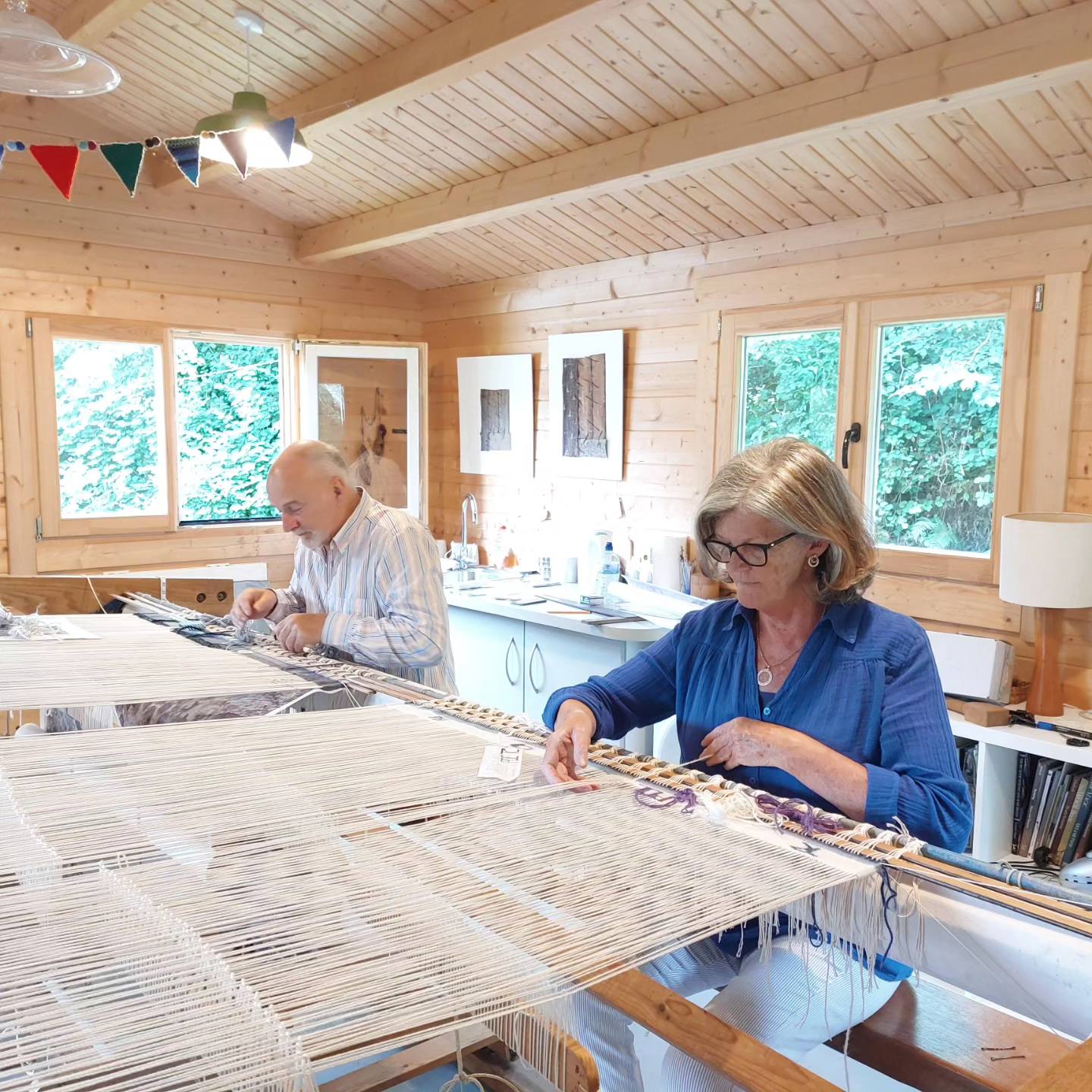
Practical Tips for Aspiring Braid-Weavers
Crafting a braided essay is as much a technical challenge as it is an artistic one. For writers looking to experiment with this form, there are several practical tips to keep in mind. First, start with a clear vision of the timelines and their relationship to the theme. Sketch out a rough outline, noting how each thread will contribute to the overall narrative. This preliminary planning will save time and frustration later, ensuring that the essay feels cohesive rather than chaotic.
Second, embrace revision. The first draft of a braided essay is rarely its best. The structure may feel clunky, the transitions forced, or the thematic connections weak. This is normal. Revision is where the true artistry happens. Be willing to cut, rearrange, and refine the timelines until they flow together seamlessly. Pay attention to the rhythm of the essay, ensuring that the alternation between timelines feels natural and purposeful. Read the essay aloud to catch awkward phrasing or disjointed transitions.
Finally, study the masters. Many writers have experimented with the braided form, from Virginia Woolf’s stream-of-consciousness techniques to David Mitchell’s genre-blending narratives. Analyze how these writers structure their essays, how they transition between timelines, and how they maintain thematic resonance. Take notes on what works and what doesn’t, and apply these lessons to your own work. The more you read and write braided essays, the more intuitive the form will become.
The art of the braided essay is a testament to the power of narrative experimentation. It challenges writers to think beyond linear storytelling, to embrace complexity, and to trust in the reader’s ability to navigate the labyrinth. For readers, it offers a richer, more immersive experience—one where the journey is as important as the destination. Whether you are writing or reading, the braided essay invites you to slow down, to observe, and to marvel at the intricate patterns that emerge when stories intertwine. It is a form that rewards patience, curiosity, and a willingness to embrace the unknown.


Leave a Comment